Anime Festival Date Scenes You Can Create
The summer festival is one of anime's best romantic settings. Here's how to build yours
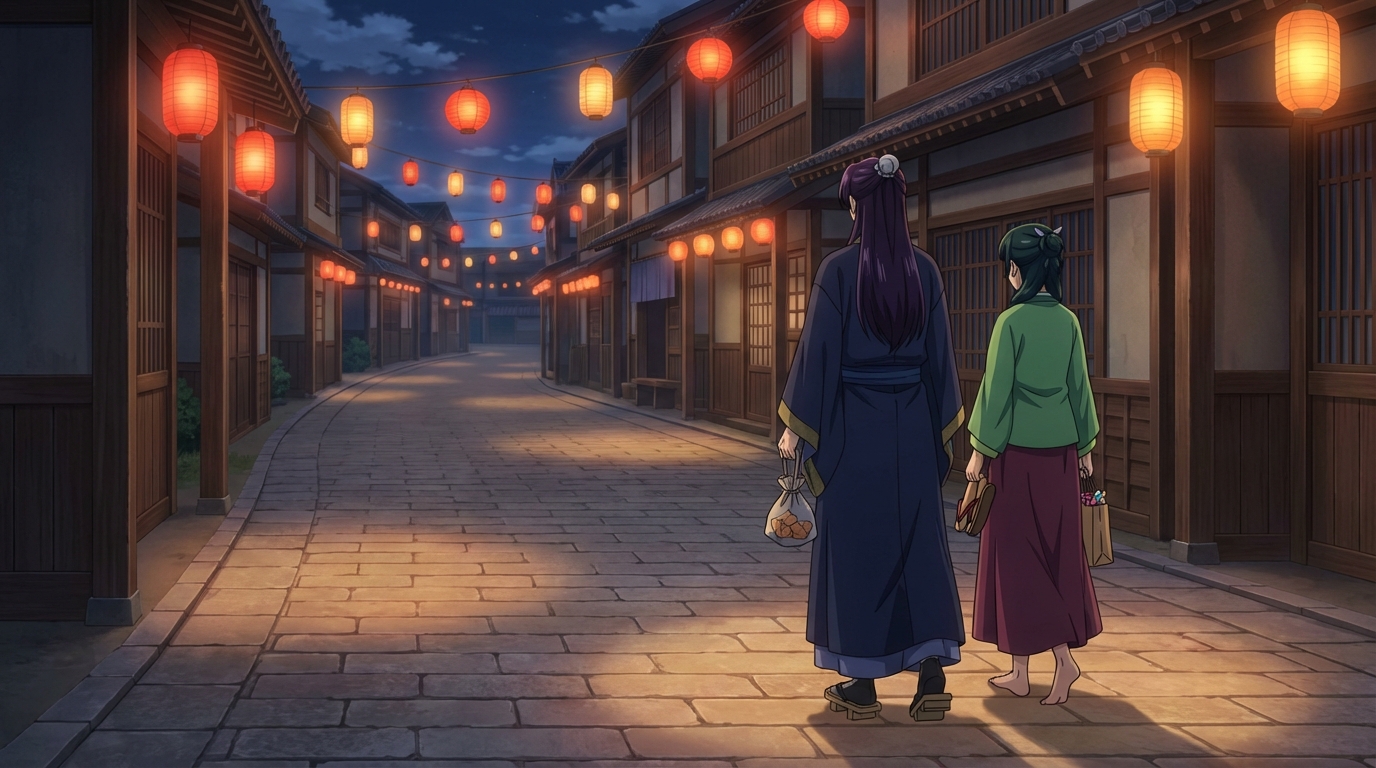
The summer festival is one of the most enduring settings in anime romance. There's something about the combination of sensory overload, limited time, and traditional dress that creates exactly the right conditions for things to happen between characters who haven't managed to let things happen anywhere else. AutoWeeb's Japanese Culture Festival and Beach OVA photo packs let you build these scenes with your own characters, in settings that are already doing most of the visual work.
👉 Create Your Anime Festival Scene on AutoWeebWhy the Festival Works in Anime Romance
The festival setting creates romantic conditions that don't exist in ordinary everyday scenes. A few of them:
- The crowds force closeness. Characters have to stay near each other to avoid being separated. Physical proximity that would be unusual anywhere else becomes practical necessity.
- Traditional dress changes the dynamic. Seeing someone in yukata when you normally see them in school clothes is a shift. Both characters are slightly different versions of themselves.
- There's a deadline. Festivals end. Fireworks mark the finale. Everyone knows the night has a limit, which gives every moment inside it an urgency that ordinary time doesn't carry.
- The setting is emotionally loaded. Lanterns, food stalls, music, the specific warmth of summer festival air. All of this works on the characters even before anything happens between them.
Scene by Scene: What to Build
The Arrival
One character sees the other in yukata for the first time. This scene usually plays with the moment just before the other person notices they're being looked at. The reaction and the quick readjustment to neutral expression before eye contact is made.
Prompt elements: festival entrance or gate, evening, one character turning and seeing the other in traditional dress for the first time, warm orange and red lantern light, candid framing as if caught mid-reaction.
The Food Stall
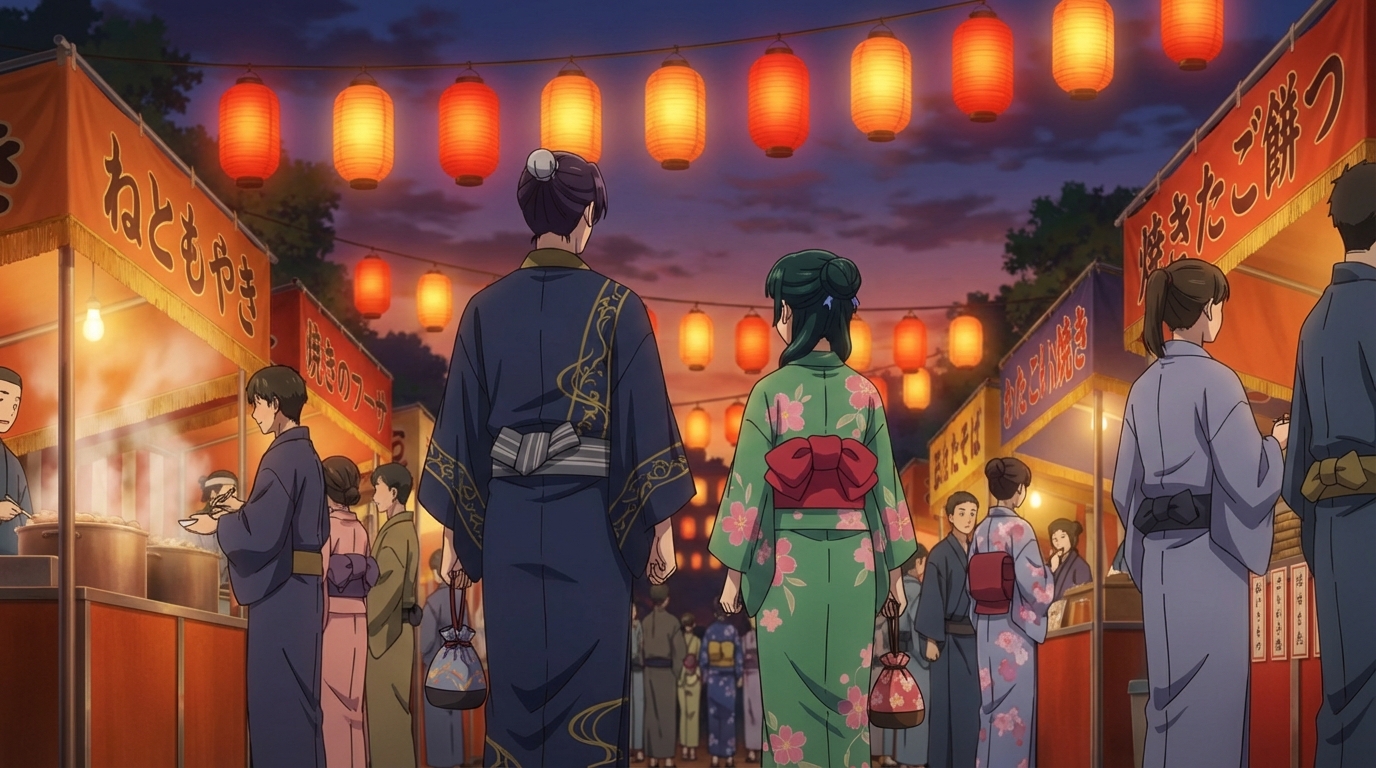
Standing at a takoyaki or yakitori stall. Trying something neither of them has had before. Someone makes a mess. Someone else hands over a napkin without being asked. The food stall is a low-pressure environment where small acts of care feel significant. The mundane scale of the moment is exactly what makes it stick.
Prompt elements: food stall counter, characters standing side by side at the stall, warm food lighting from behind the stall, one character holding food, both looking at the stall rather than each other except for a glance at the wrong moment.
The Game Booth
Someone trying embarrassingly hard to win something at a ring toss or goldfish scooping game. The other watching with a combination of amusement and something else they're not naming. Or one character winning immediately and trying to look like they didn't plan it.
This scene plays well as either comedy or romance, and it's most effective when it's both. Include the effort in the prompt: someone mid-throw, clearly concentrating more than the situation calls for.
Lost in the Crowd
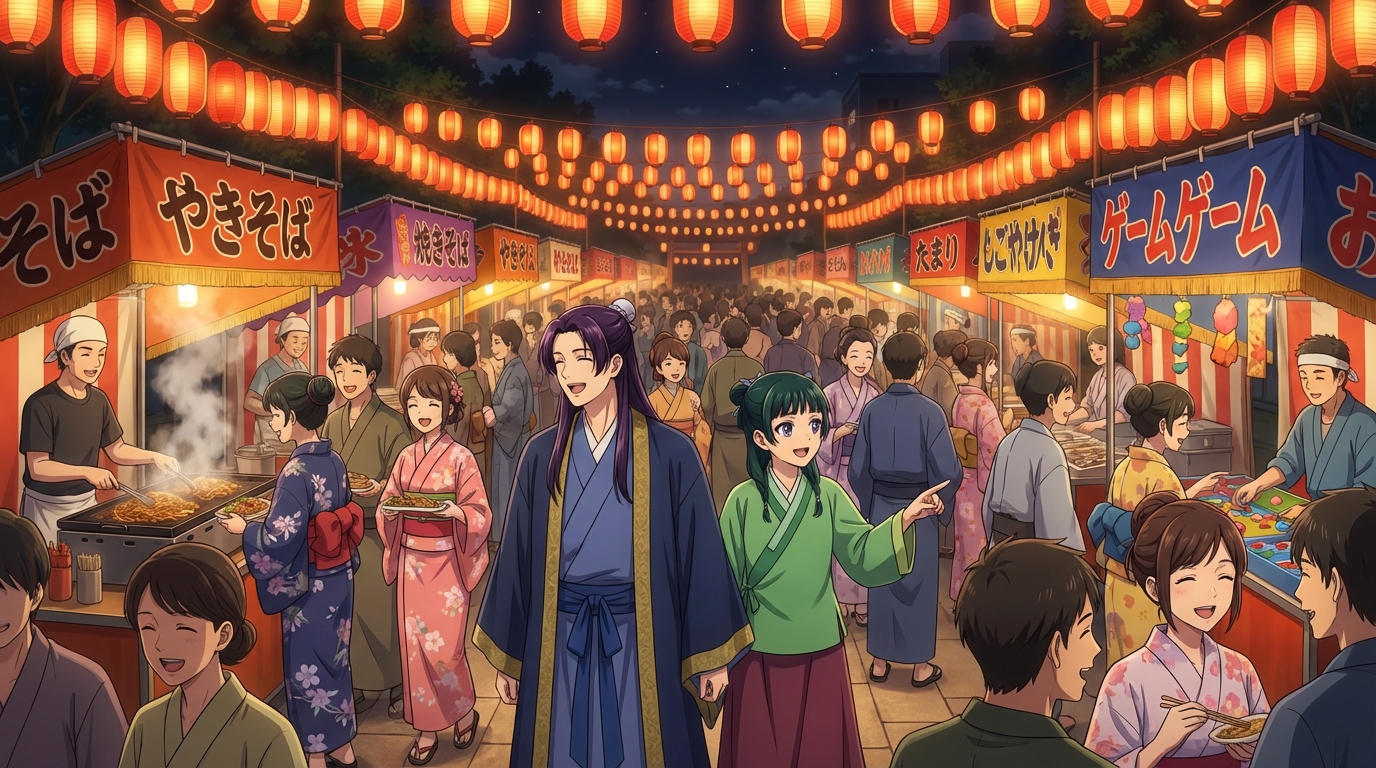
The moment where the crowd closes between two characters and one of them reaches back without thinking to make sure the other is still there. Or the quieter version: one character looking back to check, realizing how close they've been walking together, and facing forward again without saying anything.
Prompt elements: dense festival crowd, two characters slightly ahead of the crowd or just at the edge of it, one reaching back or looking back, the crowd visible as motion and color behind them.
The Quiet Spot
Away from the main stalls. A side path, a low wall by a pond, somewhere the festival noise is in the background but not overwhelming. This is where the conversation that couldn't happen in the noise finally gets space. Festival scenes almost always have this counter-moment: the crowd scene and then the retreat from it.
The Japanese Nature pack works for this: water, trees, a path. Characters sitting or standing side by side, the festival audible but not visible, the quiet between them the most important thing in the frame.
The Fireworks
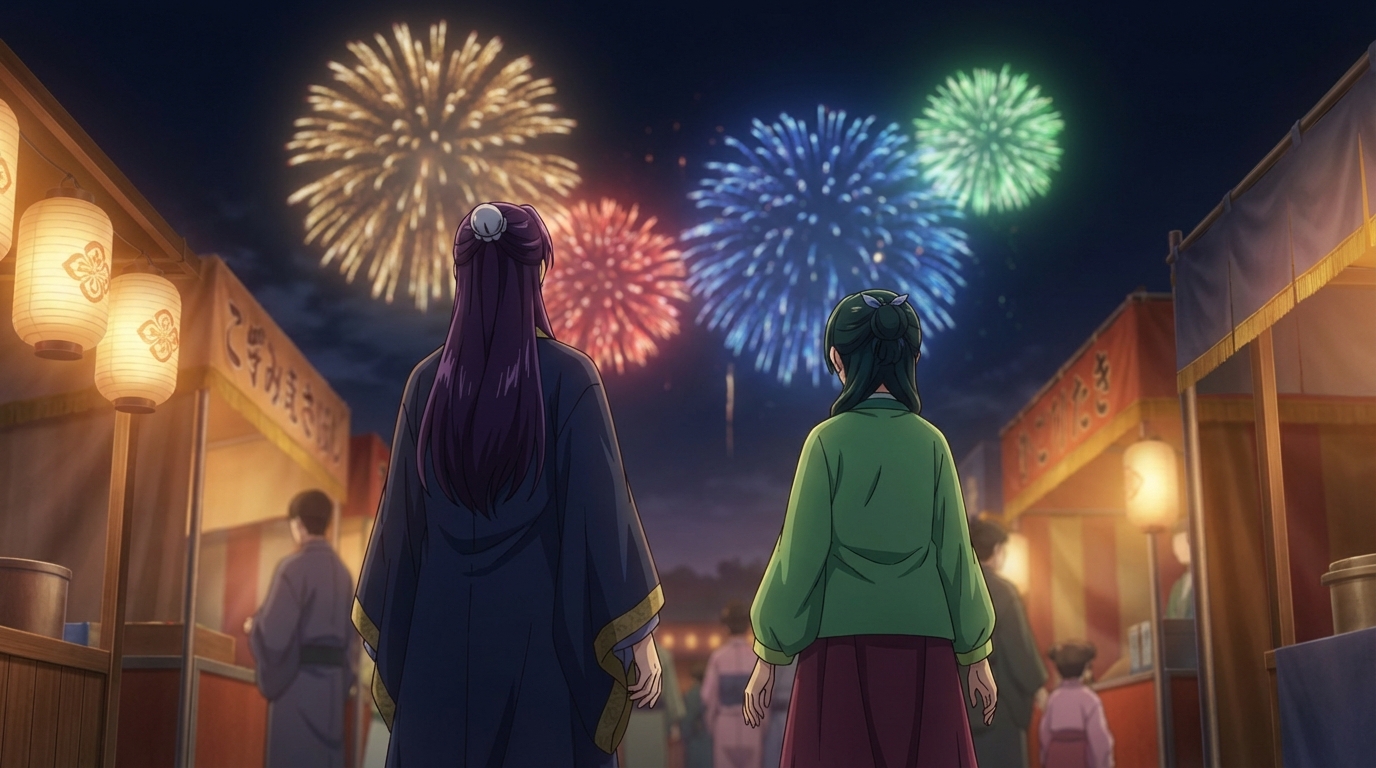
The climax of the festival date. Both characters watching, side by side. The light from the fireworks illuminating their faces at intervals, creating a rhythm of visibility and shadow. One turns to look at the other while the other is still looking up. The standard anime framing on this scene is a close-up of one face lit by fireworks, looking sideways.
Prompt elements: night, fireworks burst overhead (visible but not dominating the frame), characters' faces lit from above and changing colors, one character turned slightly toward the other, neither speaking.
Beach OVA: The Summer Episode Version
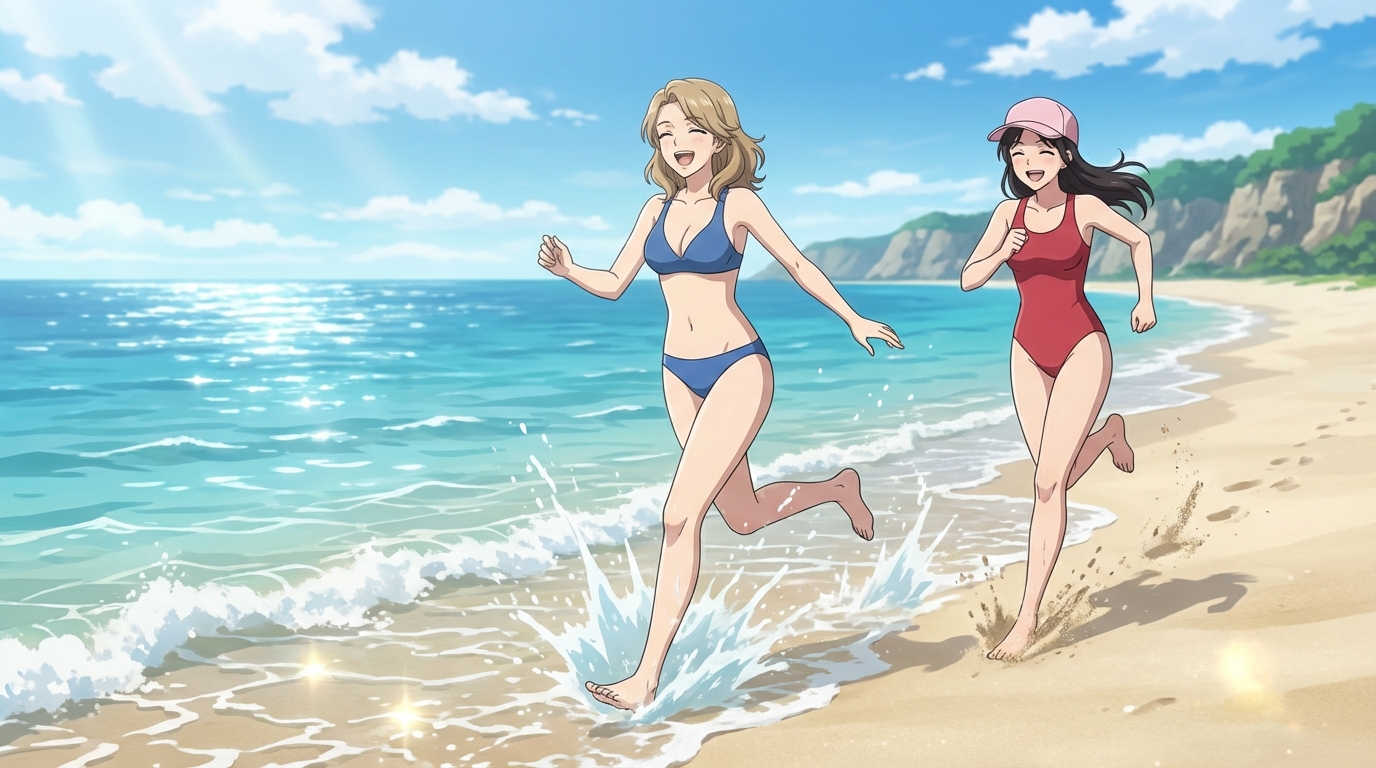
The other major festival-adjacent setting in anime is the beach OVA. If the matsuri is about the specific emotional charge of traditional Japan, the beach episode is about everyone in a different context, a lighter and more expansive mood where ordinary social rules feel temporarily suspended.
The Beach OVA pack has ten environments: ocean views, sunset scenes, tide pools, sand. These work for a more relaxed kind of romantic scene, the kind where the setting does the mood-lifting and the characters just have to show up.
Setting Up the Characters
Festival scenes need consistent characters to work across multiple beats. Build Character Sheets for both people in your scene before you start generating. If you want the characters based on real people, use the photo-to-anime converter first.
For festival scenes specifically, decide whether your characters are wearing yukata or modern clothes. This affects how they look in every festival scene you generate, so build it into the Character Sheet if you want traditional dress.
👉 Build Your Anime Festival Date on AutoWeebFor more ways to build romantic anime scenes, read about anime couple scenes you can recreate with AI, or see the full guide on imagining your first anime date.
Related Blog Posts
OC Japan Fair Anime Fans: Visit the AutoWeeb Booth
Stop by booth #114 near the OC Promenade hall and turn your fair photos into anime
AutoWeeb is at the OC Japan Fair! Visit booth #114 near the OC Promenade / Nakamise Street to turn your fair photos into anime, create your own anime characters, and generate anime images and videos.
Cyberpunk Anime Generator: How to Create Cyberpunk Anime Art with AI
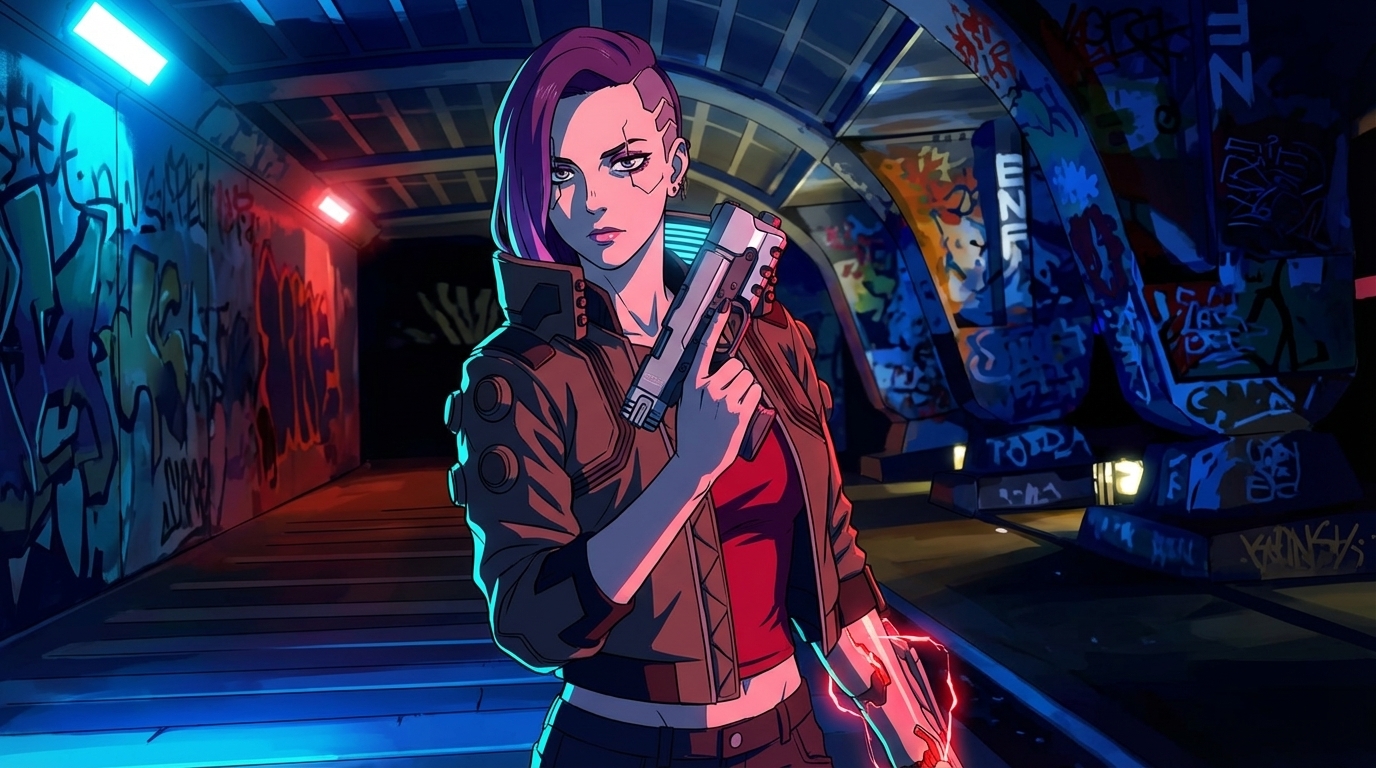
Neon cities, augmented characters, and rain-soaked streets — generated from your photos
Use AutoWeeb's cyberpunk anime generator to turn photos into neon-soaked cyberpunk art. Holographic cityscapes, augmented characters, and Akira-inspired aesthetics — all with AI.
Demon Slayer Anime Generator: How to Create Demon Slayer Style Art with AI
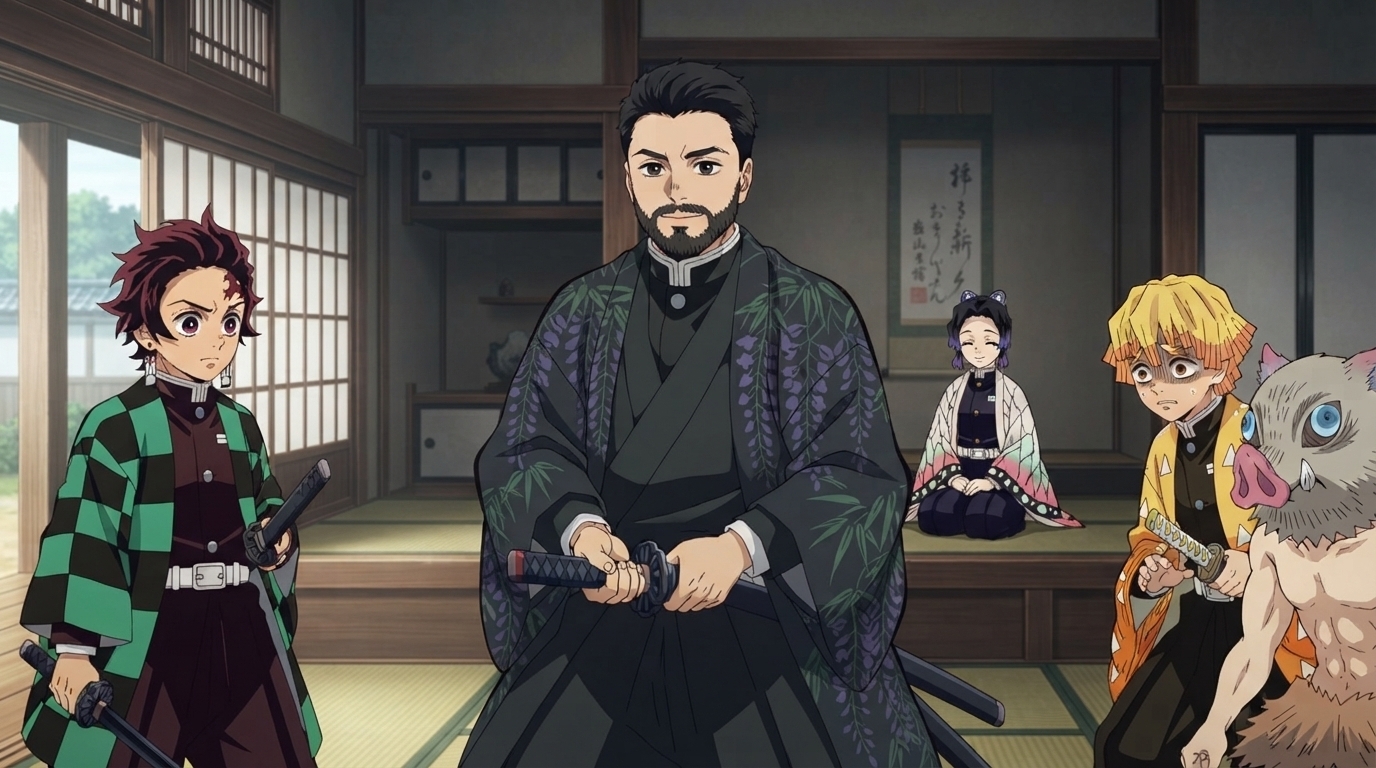
Breathing techniques, cinematic lighting, and ufotable-quality visuals — applied to your photos
Use AutoWeeb's Demon Slayer anime generator to turn photos into Kimetsu no Yaiba-style art. Breathing technique effects, dramatic action poses, and ufotable-quality visuals — all with AI.
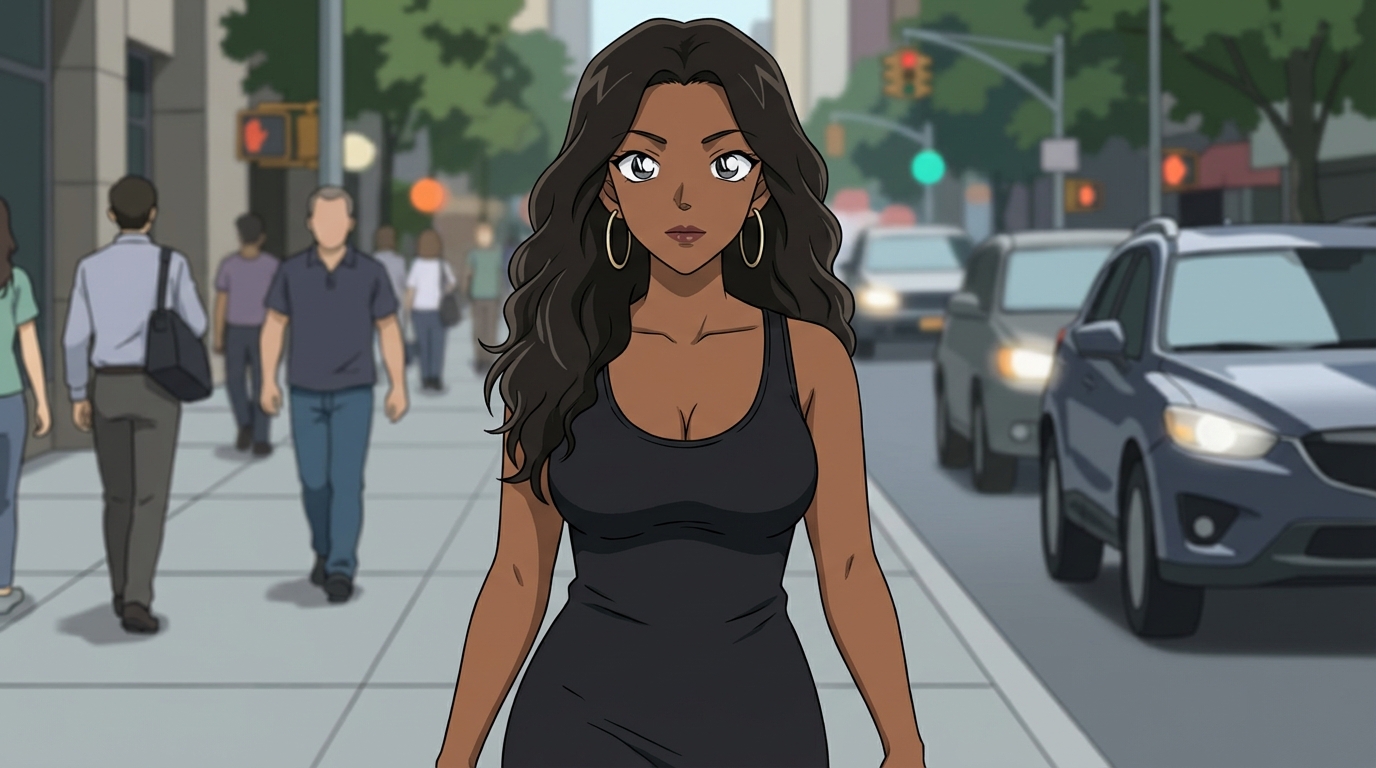
Detective Conan Anime Generator: How to Create Case Closed Style Art with AI
Sharp character designs, dramatic deduction scenes, and the iconic mystery anime aesthetic
Use AutoWeeb's Detective Conan anime generator to turn photos into Case Closed-style art. Sharp linework, dramatic investigation scenes, and Gosho Aoyama's iconic character designs — all with AI.
Explore AutoWeeb
Jump into the tool that fits your creative step.
AI Anime Video Generator
Animate storyboard shots into cinematic clips with Seedance 2 and consistent characters.
Anime Character Creator
Design original characters with consistent sheets across every scene.
AI Anime Image Generator
Generate cinematic anime stills anchored to your character library.
Turn Photo Into Anime
Upload any photo and watch AI turn it into stunning anime art in seconds.
AI Anime Location Generator
Create a location set once, then generate reference images from every angle.
AI Anime Storyboarding
Describe your idea, pick your characters, and let AI draft the script and scenes.
AI Anime Prompt Agent
Turn a rough idea into a cinematic Seedance 2 prompt with the AI Director.