How to Use AI to Generate Anime Plot Ideas, Character Arcs, and Episode Concepts Instantly
Writer's block isn't a creativity problem — it's a starting point problem, and AI solves that in seconds
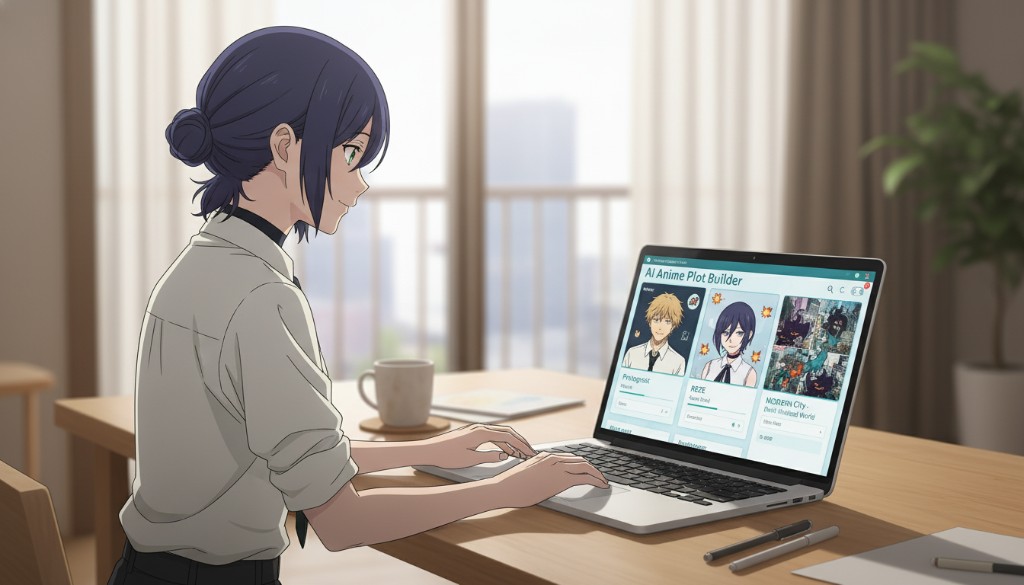
The gap between "I love anime" and "I'm making my own anime" used to be enormous. You needed to know story structure, world-building conventions, how to write a character arc, how to sequence an episode. Most people with good ideas got stuck before they wrote a single line, not because the idea was bad, but because the blank page with no structure to fill it is genuinely hard.
AI changes the economics of that first step. You don't need to know everything before you start. You need a prompt, a direction, and a tool that can hand you ten versions of an idea in thirty seconds so you can pick the one that resonates. This guide covers exactly how to do that: plot generation, world-building, character arcs, episode structure, and the AutoWeeb workflow that turns a text concept into a visual one.
👉 Start Building Your Anime Story with AutoWeebWhy writer's block in anime creation is really just a starting point problem, and how AI solves it.
Writer's block almost never means you have no ideas. It means you have too many half-formed ones, none of them feels solid enough to commit to, and the act of choosing feels like closing doors on every alternative. The result is paralysis that looks like blankness.
AI is particularly good at this specific problem. Give it a rough direction and it returns five or ten concrete options, quickly enough that you're reacting rather than generating. Reacting is easier. You already know which of the ten options feels right, even if you couldn't have invented all ten yourself. The AI's job isn't to be creative on your behalf. It's to externalize the options fast enough that your instincts can take over.
The single prompt structure that unlocks a working anime concept in under a minute.
The most productive AI prompts for anime story generation follow a simple template: genre, protagonist type, central tension, and the feeling you want the audience to leave with. You don't need to fill every slot perfectly. Partial information produces partial results, which you can react to and refine.
Try starting with something like: "Generate three anime story concepts in a dark fantasy setting. The protagonist is a disgraced former soldier who discovers a forbidden power. The central tension is between revenge and redemption. Tone should feel like Fullmetal Alchemist: Brotherhood: heavy, emotionally resonant, with moments of dry humor."
Or lean into something lighter: "Give me five slice-of-life anime premises. The protagonist is a college student who takes a part-time job at a small cinema that exclusively shows obscure 80s anime films. Each episode should feel warm and nostalgic, like Barakamon with a film studies twist."
The specificity of your reference points matters more than the length of the prompt. Naming a tone, a comparable show, or an emotional register gives the AI a target to aim at. Vague prompts produce vague results.
How to use AI to build an anime world from a single concept without getting lost in lore.
World-building is the part of anime creation that swallows beginners whole. There's always more world to design: geography, power systems, political history, cultural details, trade routes. It can feel like you need a complete world before you can write a single scene. You don't. You need a world that creates the right conditions for your conflict.
AI world-building works best when you give it a constraint. Instead of asking it to "create an anime world," ask it to create a world where a specific conflict is possible and under maximum pressure. The constraint does the work of scope.
World-building prompt templates you can use immediately.
For a conflict-first world: "Design an anime world where a teenager with healing powers has zero social status. What does this society value, how is strength measured, what does daily life look like for someone whose gift is invisible in this context? Keep it to one city or region, no need for a full map."
For a genre-first world: "Build the basic framework for an isekai world where the reincarnated protagonist arrives not as a hero but as a low-level shopkeeper. What economic and social systems make that interesting? What does the protagonist have access to that a hero wouldn't? Three core rules of the world, two unusual details."
For a tone-first world: "Describe an anime setting that feels like a Studio Ghibli film but has an underlying political tension the characters are trying to ignore. Rural, beautiful, slightly magical. What's the tension, and where does it show up in everyday life?"
Each template anchors the AI to a story purpose rather than free-form world construction. The result is usable lore, not lore for its own sake.
Using AI to design character arcs that track across a full season, not just a single episode.
A character arc is the internal journey: the gap between who someone is at the start and who they become by the end, and the specific events that force that change. AI is useful here because arc design requires holding multiple variables in mind simultaneously, and most people struggle to do that before anything is written.
A useful prompt structure for arc generation: describe the protagonist's starting state (what they believe, what they want, what wound they carry), the ending state you want to arrive at, and ask for the five to seven turning points that would plausibly move someone from A to B. You're not asking AI to invent the character. You're asking it to map the space between two points you've already defined.
Example: "My protagonist starts as someone who believes emotional vulnerability is weakness: she's a strategist who's never lost a battle and keeps everyone at arm's length. By the end of the season she's learned to trust and be trusted. Give me six arc beats that would move her from closed to open in a way that feels earned, not rushed. Each beat should be an external event that challenges the internal belief."
The AI's output becomes a scaffold. You'll revise every beat once you're inside the scenes, but having a scaffold means you're never staring at a blank episode outline wondering what comes next.
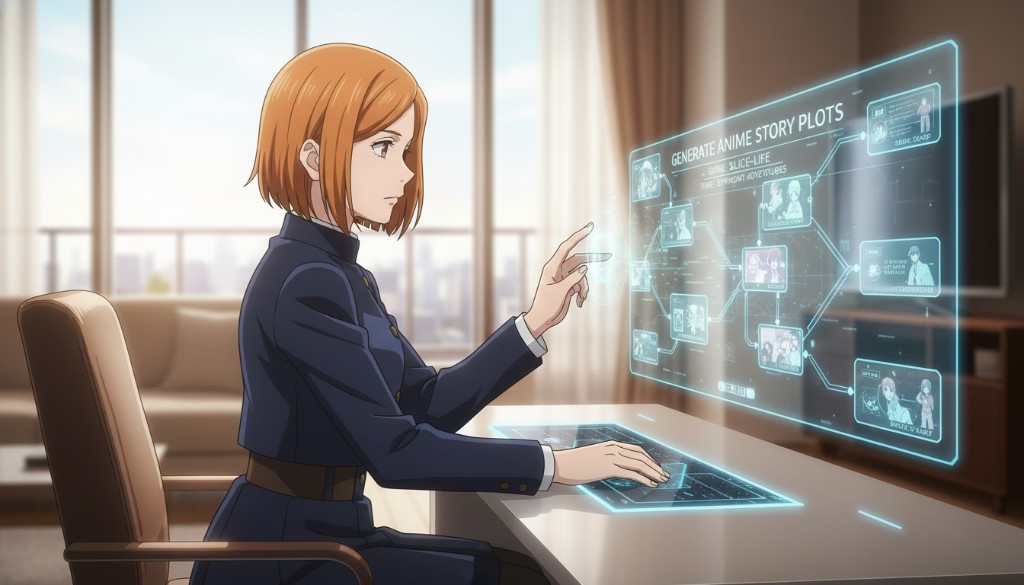
An episode ideation workflow for generating full episode concepts from a single story beat.
Episode-level ideation is where most story ideas stall. You have a season concept, maybe an arc, but the question of what actually happens in Episode 4 (what the A-plot is, what the B-plot is, which character relationship gets tested) stops the forward motion entirely.
The workflow below takes about ten minutes and produces a complete rough concept for any episode, starting from only one input.
The four-step AI episode generation workflow.
Step one: give the AI one arc beat from your season outline and ask it to generate three possible episode-level expressions of that beat. For example: "The arc beat is 'protagonist is forced to ask for help for the first time.' Give me three different episode concepts that could carry this beat, each in a different genre-appropriate setting."
Step two: pick the one that fits your story's current momentum and ask the AI to break it into an A-plot and a B-plot. The A-plot carries the arc beat directly. The B-plot involves a supporting character whose own mini-conflict mirrors or contrasts the main one.
Step three: ask for a five-scene sequence for the A-plot: the status quo at episode open, the complicating event, the midpoint reversal, the low point, and the episode's resolution. The resolution doesn't need to close the arc; it just needs to move the character forward one step.
Step four: run the same five-scene sequence for the B-plot, then ask how the two plots intersect. The intersection point is usually the most emotionally resonant moment of the episode.
This workflow generates a full episode outline from one sentence of input. Run it twelve times and you have a season.
How AutoWeeb bridges the gap from story concept to visual execution without requiring any design skills.
Text concepts are abstract. A protagonist described in a document is invisible until she has a face, a color palette, a costume that matches her personality, and an art style that matches her story's emotional register. Most people can feel the character before they can see her, and the step from feeling to seeing is where AutoWeeb works.
Once your AI-generated story concept is solid enough to describe your protagonist in specific terms, take that description directly into AutoWeeb's anime character creator. Descriptions built from the character work above already have what the tool needs: physical details, emotional texture, the world context, and a tone reference. "Tall strategist in her late twenties, silver hair pulled back, military jacket over formal clothes, closed expression, sharp pale eyes, My Hero Academia art style" produces a character you can actually look at and react to.
The reaction phase is important. Seeing the character often clarifies story decisions that the text couldn't. Color palette choices become meaningful. The way she holds herself in the image tells you something about the scene she should enter. Visual prototyping with AutoWeeb is faster than trying to resolve every story question in prose.
From there, AutoWeeb's photo packs let you place that character into the world you built. If your story is set in an isekai town, a Japanese festival street, a city at night, or a coastal village, there are curated scene sets ready to receive her. Each image you generate is a scene prototype: a quick test of whether the character and the world feel right together before you commit to writing the episode.
For casual creators who want to share their story concept visually, before it's a full script or a finished manga, this is the workflow. Concept to character to scene, in a single afternoon.
👉 Turn Your Anime Story Concept into Visuals with AutoWeebFrequently asked questions about using AI to generate anime plot ideas and story concepts.
Can I use AI to generate a full anime script, or is it better for early-stage ideas?
AI is most useful in the ideation and scaffolding phases: generating premise options, mapping arc beats, outlining episodes, and building world frameworks. Full script generation produces text that tends to feel generic because good scripts depend on a specific voice and specific character knowledge that AI doesn't have without extensive setup. Use AI to build the skeleton, then write the scenes yourself. The combination is far stronger than either approach alone.
How specific do my prompts need to be to get useful anime plot ideas?
More specific than you think, but less than you fear. A reference show, a protagonist type, and a tonal target are usually enough to produce useful results. "Dark fantasy anime, disgraced soldier protagonist, Fullmetal Alchemist tone" will produce far more usable output than "dark anime story idea." If the first results feel generic, add one more constraint: a relationship dynamic, a visual aesthetic, a moral question the story should explore.
Will AI-generated anime plots feel derivative or clichéd?
They'll trend toward familiar territory if you don't push against it. AI generates based on patterns, and popular anime patterns are well represented in its training. The fix is in the prompt: ask explicitly for unusual takes, subverted tropes, or specific details that break from convention. "An isekai protagonist who refuses the hero's quest and tries to run a bakery instead: three ways this could create a season-length conflict." AI is good at building out unusual premises once you've introduced the unusual element. The subversion is your job. The execution of it is a collaboration.
How do I go from an AI-generated story concept to an actual visual I can share?
The fastest path is through AutoWeeb. Take your protagonist description from the story development process and run it through the anime character creator to generate a character image. Then place the character into a scene using photo packs that match your world. Within a session you can have a hero image, a world image, and a character reference that communicates the story's tone visually without writing a single line of script. That's enough to share a concept, pitch an idea, or just see whether the story you've been imagining actually looks the way you pictured it.
Can AI help if I have a character idea but no plot?
Yes, and this is actually one of AI's strongest use cases in story development. Start with the character: their wound, their desire, their core belief about the world. Feed those three elements into a prompt and ask what kind of story would put maximum pressure on that belief. Ask what world would create the conditions that challenge it most directly. The plot emerges from the character's internal architecture. AI is good at generating the external circumstances once you've defined the internal ones.
How long does it realistically take to go from no idea to a shareable anime concept using this workflow?
For a premise, a protagonist, and a rough arc: under an hour, including the visual generation step in AutoWeeb. For a full season outline with episode concepts: a focused afternoon. The bottleneck is not generation speed. It's the decision points where you react to what AI produces and choose the direction that resonates. Faster decisions mean a faster pipeline. Most people find that having concrete options in front of them, rather than blank space, collapses the decision time dramatically.
If you're building out the story side of your concept, the beginner's framework for creating your own anime story covers protagonist design and conflict structure in depth. For the visual side, the guide to making your own anime character walks through how to design and generate a character you can use across every scene in your story.
Related Blog Posts
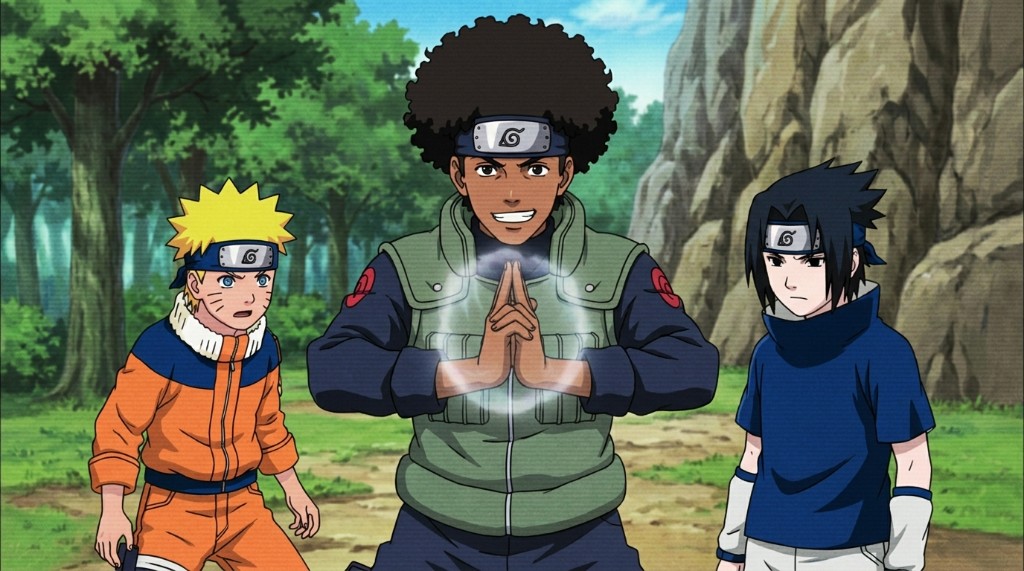
Photo to Anime That Actually Looks Like You: A Guide for Black People
How AutoWeeb preserves dark skin tones, natural Black hair, and Afrocentric features in every conversion
Turn your photo into anime while preserving your dark skin tone, natural hair, and features. AutoWeeb's photo to anime AI is built to represent Black people authentically.
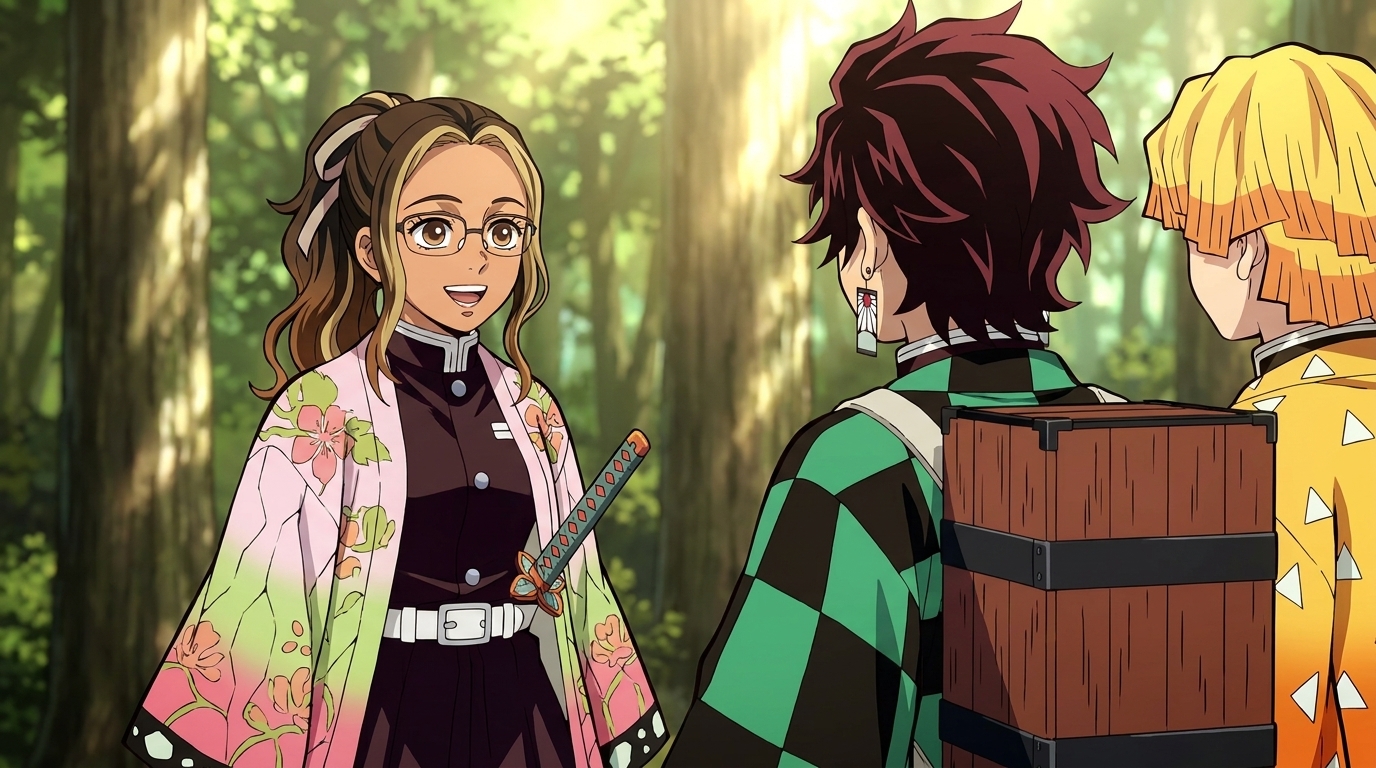
Photo to Anime That Actually Looks Like You: A Guide for Hispanic and Latino People
How AutoWeeb preserves warm olive skin, dark hair, and Latino features in every conversion
Turn your photo into anime while preserving your warm skin tone, dark curly hair, and Latino features. AutoWeeb's photo to anime AI represents Hispanic people authentically.
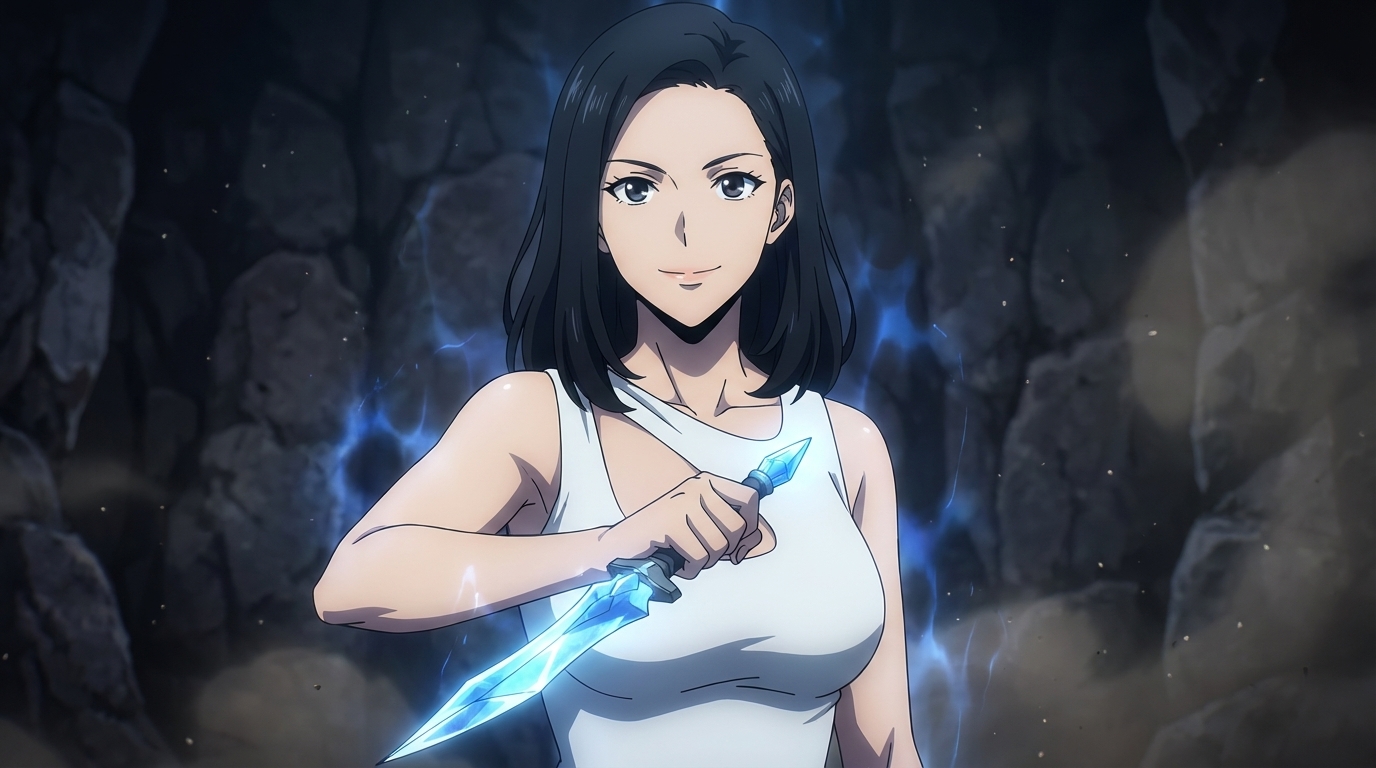
How to Create AI Anime Without ComfyUI
You don't need to be a software engineer to make anime with AI
Create AI anime without ComfyUI, Python, or any technical setup. A step-by-step guide to making anime characters and scenes with AutoWeeb, no coding required.
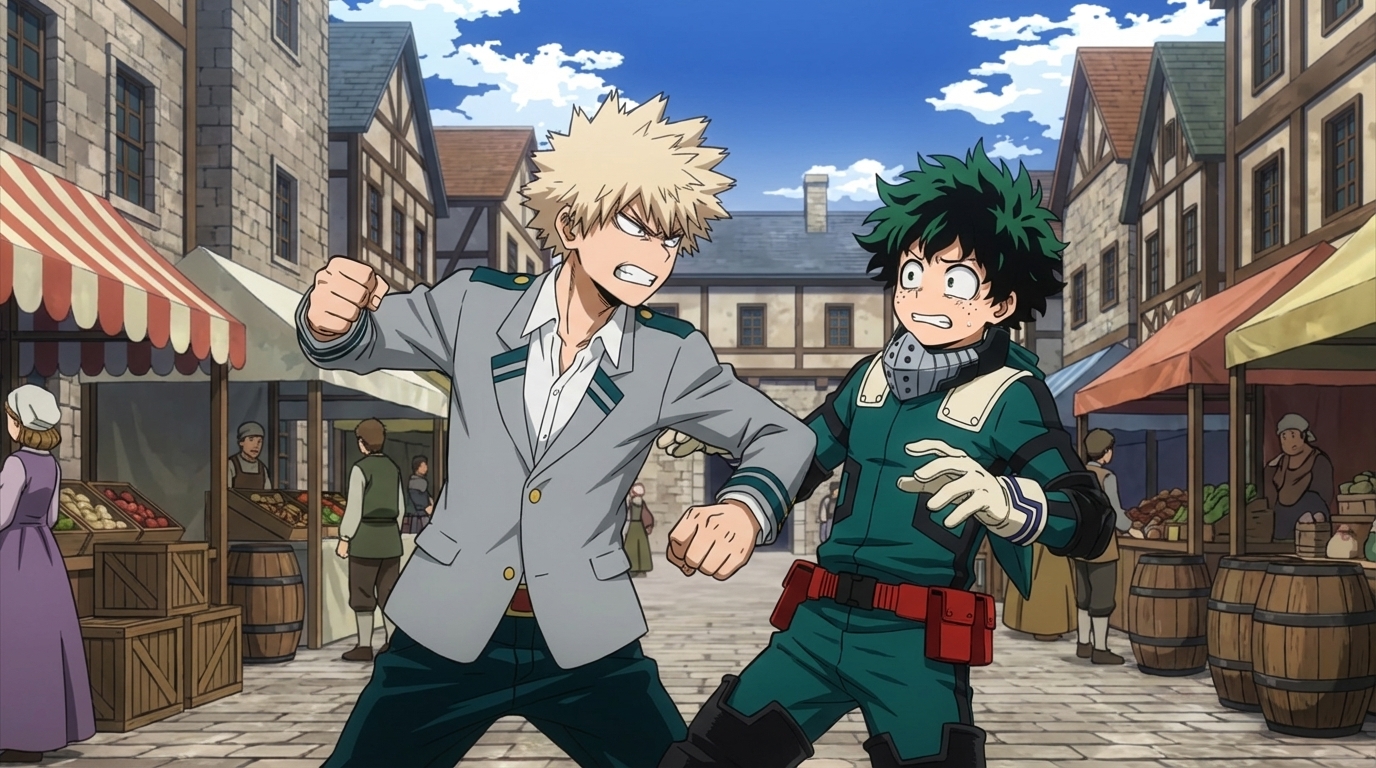
How to Create Anime Fight Scenes with AutoWeeb and Seedance 2
From character design to animated combat: the complete workflow
Learn how to create cinematic anime fight scenes using AutoWeeb and Seedance 2. Character sheets, scene design, video prompts, and how to assemble a complete fight sequence.
Explore AutoWeeb
Jump into the tool that fits your creative step.
AI Anime Video Generator
Animate storyboard shots into cinematic clips with Seedance 2 and consistent characters.
Anime Character Creator
Design original characters with consistent sheets across every scene.
AI Anime Image Generator
Generate cinematic anime stills anchored to your character library.
Turn Photo Into Anime
Upload any photo and watch AI turn it into stunning anime art in seconds.
AI Anime Location Generator
Create a location set once, then generate reference images from every angle.
AI Anime Storyboarding
Describe your idea, pick your characters, and let AI draft the script and scenes.
AI Anime Prompt Agent
Turn a rough idea into a cinematic Seedance 2 prompt with the AI Director.