Anime Production Cost Calculator: Traditional vs AI
Real numbers on what it costs to produce anime, from hand-drawn cuts to AI-generated video. Adjust the inputs and see the full breakdown.
A standard 24-minute TV anime episode costs between $160,000 and $320,000 to produce in Japan, and significantly more when made at US studio rates. Those are averages. High-profile seasonal titles regularly exceed $500,000 per episode. Theatrical films from major studios can reach $6 million or more for a single feature.
The cost is driven almost entirely by human labor. Animation is drawing, and drawing is slow. A typical episode requires around 3,000 individual drawings. Animators in Japan are paid per piece, often at rates that work out to below minimum wage, and the math still produces six-figure episodes. In the United States, union-scale animation labor roughly doubles the bill.
AI image and video generation is beginning to change those numbers. A 5-second AI-generated video clip costs roughly $0.20 at current commercial rates, though the realistic cost per usable scene is higher once retake attempts are factored in. The question is how far that efficiency advantage extends once you account for the human oversight, prompt engineering, and quality control that AI production still requires.
Both calculators below use sourced industry data. Adjust the inputs to match your project and compare the results side by side.
👉 Generate Anime Art with AutoWeebTraditional Anime Production Calculator
Traditional anime production separates into three major phases: pre-production (script, storyboard, character design), main production (key animation, in-betweening, background art, direction), and post-production (voice acting, sound design, editing, music). Labor costs dominate throughout. The breakdown percentages below follow industry-standard allocations documented by Creative Freaks and cited in JAniCA surveys.
Inputs
Standard seasonal cour = 12–13 episodes
Region determines animator pay scale
Affects frame count, animator tier, and complexity
Approx. 3,000 drawings at standard quality
Cost Breakdown — Per Episode
—
AI Production Calculator
AI anime production is not yet a drop-in replacement for traditional methods. What it offers is a dramatic reduction in per-frame cost, at the expense of consistency, controllability, and the need for more human curation. Current production pipelines use AI for image generation (key poses, backgrounds, concept art) and increasingly for short video clips, with human artists handling layout, compositing, and quality control.
The cost inputs below reflect commercial API pricing as of early 2026. The "attempts per generation" field captures the practical reality that AI outputs are probabilistic: most scenes require multiple generations before one is usable. Motion coherence failures, face drift, and visual artifacts occur in roughly 30% of AI video outputs under current models.
Inputs
Traditional: ~300 cuts per episode
Midjourney ~$0.03–0.06, Flux ~$0.032, DALL-E 3 ~$0.024
Consistent character look typically requires 3–8 attempts
Set to 0 for image-only (no video generation)
Seedance 2.0 ~$0.10–0.20 per 5s, Sora 2 ~$2.00 per 10s 1080p
Sora 2 data: 5–10 rerolls per scene typical
Editing, compositing, QA, directing, prompt engineering
Freelance animator/editor; US market ~$35–80/hr
Cost Breakdown — Per Episode
Side-by-Side Comparison
This section updates automatically when you adjust either calculator above. Series totals use each calculator's own episode count.
Traditional (per episode)
—
AI Production (per episode)
—
AI savings per episode
—
Traditional (series total)
—
AI Production (series total)
—
AI savings (series)
—
Methodology and Sources
Traditional Production Costs
Episode cost ranges are derived from Japanese production company Creative Freaks, which documents a typical TV episode budget of ¥25–50 million ($160,000–$320,000 at current exchange rates). High-end seasonal productions and titles with major streaming deals regularly exceed this upper bound, with some prestige productions reported at ¥80 million ($500,000+) per episode.
The budget breakdown by category follows the standard allocation cited across industry sources: pre-production (script, storyboarding, character design) accounts for roughly 10% of total cost; main production animation labor takes 60%, with key animation representing the largest single line item; post-production covers 20%; and overhead rounds out the remaining 10%. The split within main production reflects the relative cost of key animation (per-cut work by senior animators) versus in-betweening (high-volume, low-rate per-drawing work).
A standard 24-minute TV anime episode contains roughly 3,000 individual drawings, produced at an effective drawing rate of 8–12 per second of screen time (not the 24fps film standard, because anime uses "2s and 3s" shooting, where a single drawing holds for two or three film frames to reduce cost). High-action episodes, such as those in Attack on Titan, can require 5,000–8,000 drawings.
Animator compensation data comes from the Japan Animation Creators Association (JAniCA). In-betweeners (douga) are paid at approximately ¥200 per drawing ($1.40), which frequently produces effective hourly rates below Japanese minimum wage. Key animators (genga) earn more per cut and are still predominantly freelance, often taking home ¥30,000–¥50,000 per episode assignment. US animators earn considerably more: AmIPaidFairly (2026) shows US animators averaging $78,000/year versus the Japanese equivalent of $33,500/year.
Regional Rate Adjustments
US production costs scale up from Japanese baselines to reflect union rates, higher overhead, and domestic cost of living. The US figures in this calculator are based on reported costs for American studios producing original animated content at comparable quality tiers. South Korean studios have historically served as offshore production partners for Japanese anime, handling much of the in-between work at lower rates, though their base rates and quality expectations have risen substantially since the 1990s.
AI Generation Costs
Image generation pricing reflects 2026 commercial API rates: Midjourney at approximately $0.033–0.06 per image, Flux Kontext Pro at $0.032, and DALL-E 3 at $0.024–0.040. The default of $0.03 represents a mid-range estimate for anime-specific image generation at reasonable quality.
Video generation pricing reflects Seedance 2.0 at $0.10–0.20 per 5-second clip and OpenAI Sora 2 at approximately $2.00 per 10-second 1080p video. The default of $0.20 per clip assumes a budget-to-mid-range provider generating 5-second shots, consistent with Seedance pricing.
The "attempts per generation" defaults come from practical AI production workflow documentation. Sora 2 batch production guides report that standard quality requires 5–10 regenerations per scene due to motion coherence failures, face drift between frames, and visual artifacts that appear in approximately 30% of outputs. For still images, achieving consistent character appearance across an episode typically requires 3–8 attempts per shot, improving with techniques like character consistency IDs but never reaching 100% first-pass reliability.
Human oversight hours reflect the reality that AI production is not fully unattended. A realistic AI-assisted episode pipeline requires a director making creative decisions, editors for compositing and color correction, quality control reviewers, and a technical artist handling prompt engineering and consistency maintenance. Eighty hours per episode assumes a lean team running an efficient batch workflow. Higher-quality productions requiring tighter visual consistency would need more.
What These Numbers Don't Include
Both calculators omit costs that apply to commercial anime production but not to independent or experimental projects: broadcast licensing fees, marketing and promotion, distribution deals, dubbing for international release, and production committee overhead. A full commercial production budget would add $50,000–$200,000 per episode in distribution and licensing costs alone. The calculators are designed to model core production costs.
The AI calculator also does not include the cost of training or fine-tuning custom models for character consistency, which can range from a few hundred dollars for low-rank adaptation (LoRA) training to tens of thousands for full custom model development. For a serious AI anime production aiming at consistent, recognizable characters, this is a meaningful upfront cost that amortizes across the series.
👉 Start Creating Anime Art with AI on AutoWeebIf you are working on an animation project and want to explore what AI generation looks like at the single-image level, the anime fight scene guide covers how to prompt and iterate for action sequences. The AutoWeeb Character Creator shows what consistent character generation looks like in practice, and the anime commercial guide walks through a short-form AI production workflow from concept to final video.
Related Blog Posts
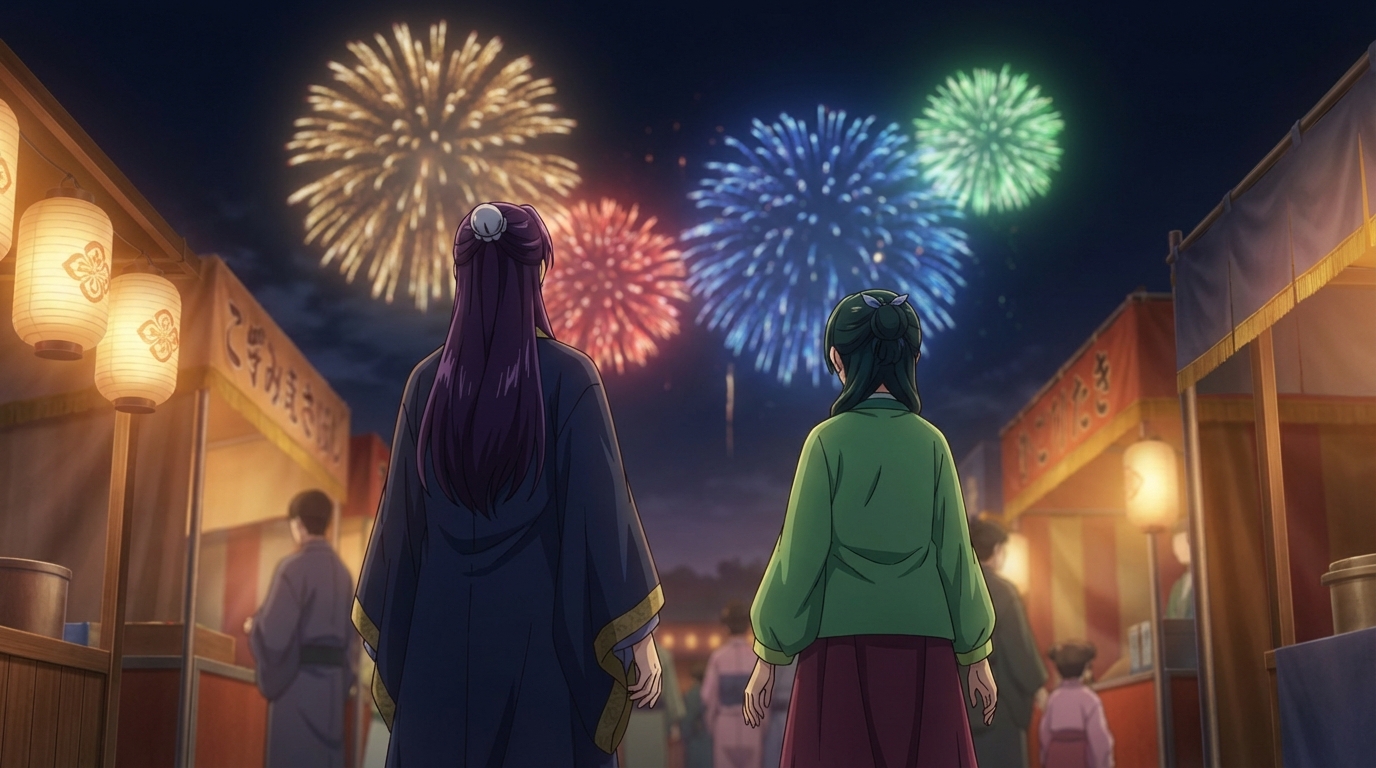
Anime Festival Date Scenes You Can Create
The summer festival is one of anime's best romantic settings. Here's how to build yours
Create anime festival date scenes with AutoWeeb. Generate romantic summer festival and matsuri scenes with your own characters using AI-powered anime art.
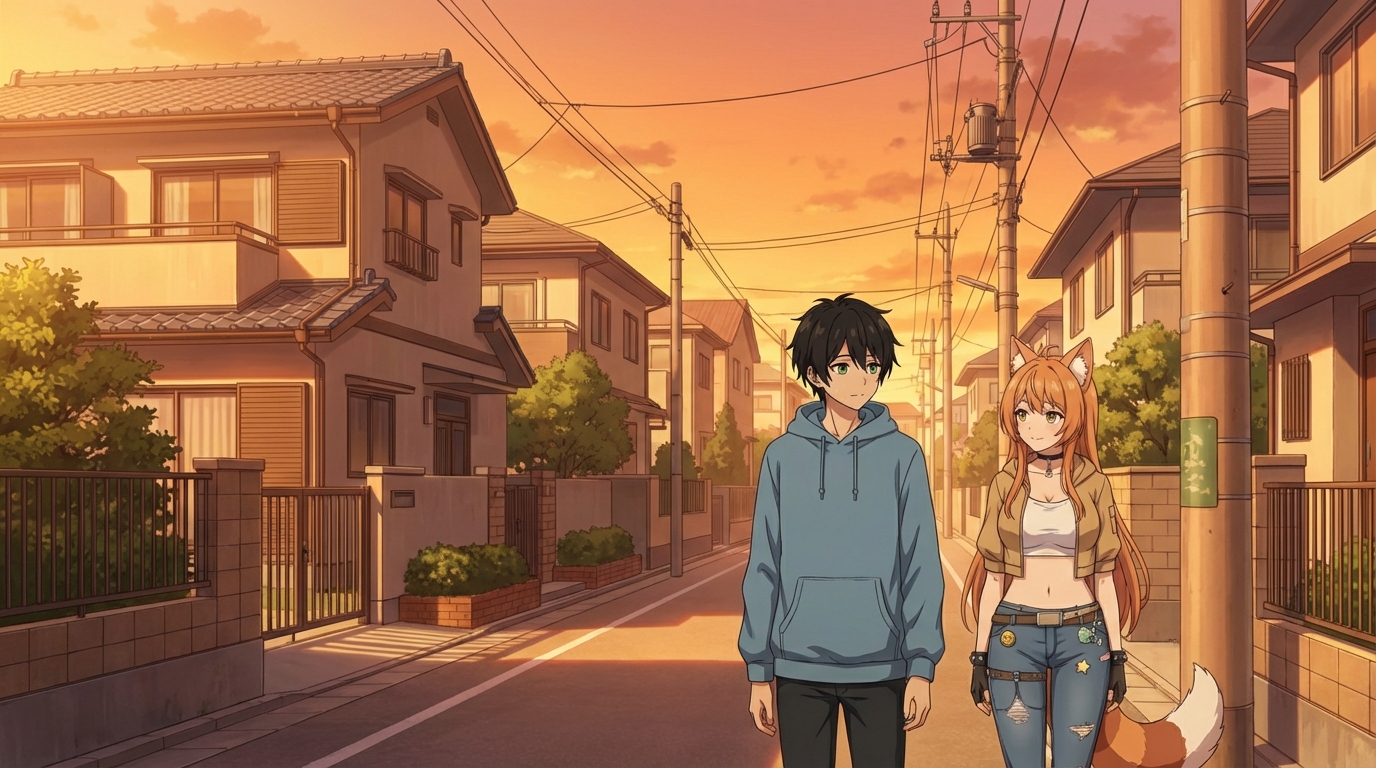
Create Your Own Anime Romance Story
From character design to multi-scene story, here's how to build a romance that's actually yours
Create your own anime romance story with AutoWeeb. Design characters, build scenes, and tell a complete love story using AI-generated anime art.
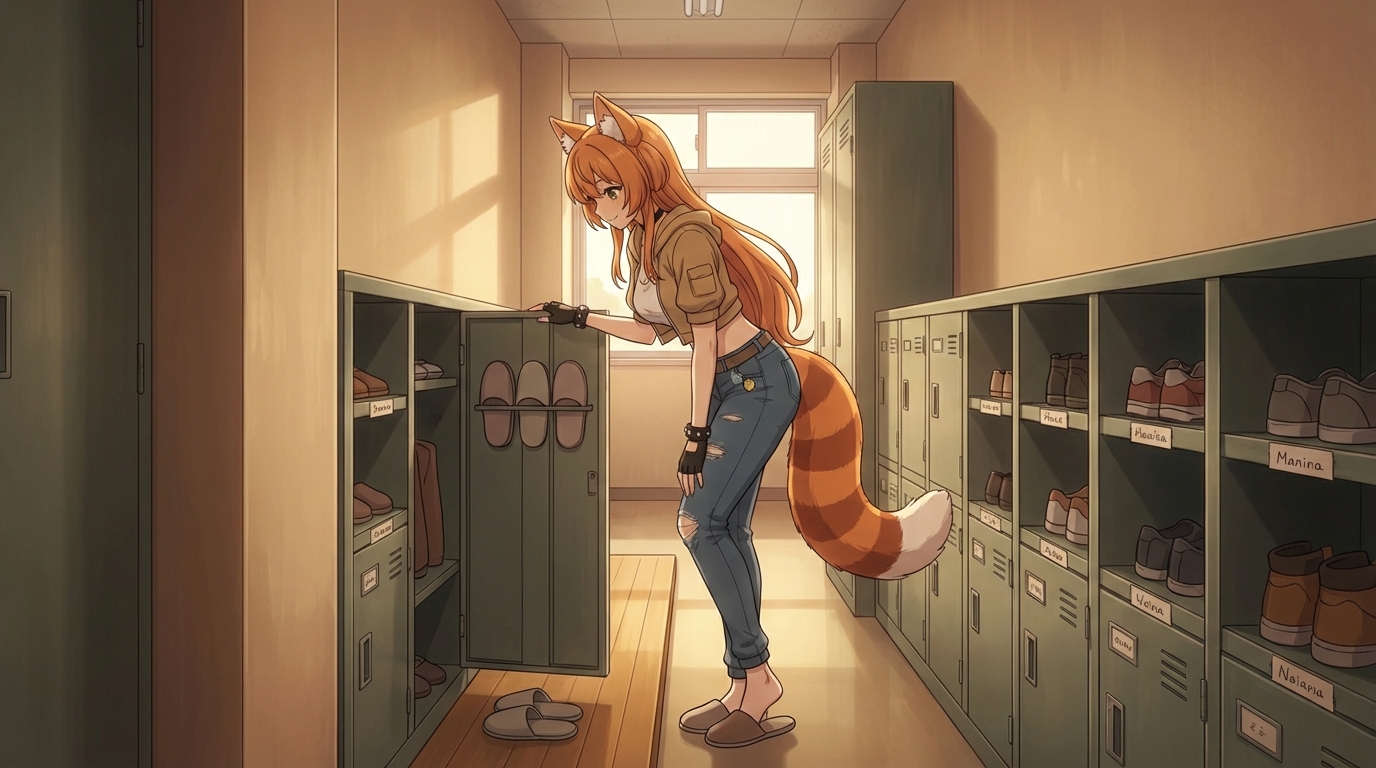
What If You Were in an Anime Love Story?
The tropes, the settings, the moments, and how to actually put yourself into all of them
What if you were in an anime love story? Explore the classic tropes and settings, then use AutoWeeb to generate scenes with yourself as the main character.
Anime Couple Scenes You Can Recreate With AI
Classic moments from anime romance, rebuilt with your characters in the lead roles
Recreate your favorite anime couple scenes with AI. Use AutoWeeb to put your own characters into the iconic moments from anime romance, from rooftop confessions to festival nights.
Explore AutoWeeb
Jump into the tool that fits your creative step.
AI Anime Video Generator
Animate storyboard shots into cinematic clips with Seedance 2 and consistent characters.
Anime Character Creator
Design original characters with consistent sheets across every scene.
AI Anime Image Generator
Generate cinematic anime stills anchored to your character library.
Anime Filters
Upload any photo and apply AI anime filters to turn it into stunning anime art in seconds.
AI Anime Location Generator
Create a location set once, then generate reference images from every angle.
AI Anime Storyboarding
Describe your idea, pick your characters, and let AI draft the script and scenes.
AI Anime Prompt Agent
Turn a rough idea into a cinematic Seedance 2 prompt with the AI Director.