How to Create Art with the Detective Conan Anime Style
Mystery scenes, deduction moments, and the Gosho Aoyama aesthetic — a practical guide
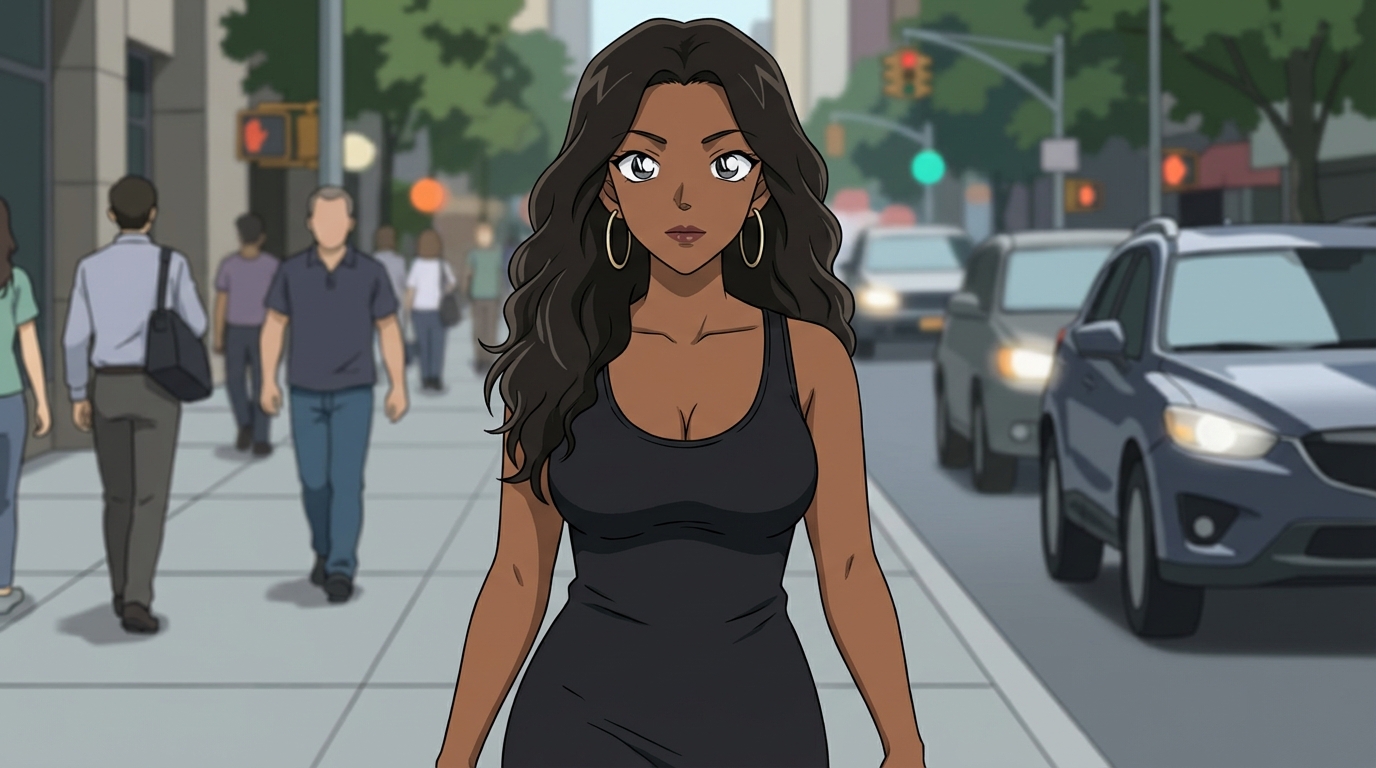
Detective Conan has been running since 1994, and Gosho Aoyama's visual style is one of the most recognizable in all of anime. Sharp linework, grounded proportions, the dramatic tension that settles over a scene the moment a clue is spotted. AutoWeeb's Detective Conan style captures all of it. This guide is about what to do with it.
👉 Start Creating Detective Conan Style Art on AutoWeebThe Detective Conan aesthetic is built on tension between everyday warmth and investigative cold.
Most anime styles commit fully to one emotional register. Detective Conan does something more sophisticated: the same visual language shifts between two modes depending on what the scene demands. In a warm moment between Conan and Ran, the lines soften and the palette warms. The moment Conan spots an inconsistency, something changes. The eyes sharpen. Shadows deepen. The background drops away.
That tonal range is what makes the style so rewarding to work with. You can create a character who reads as completely normal in a casual portrait and then drop them into a scene that makes them look like the most dangerous person in the room.
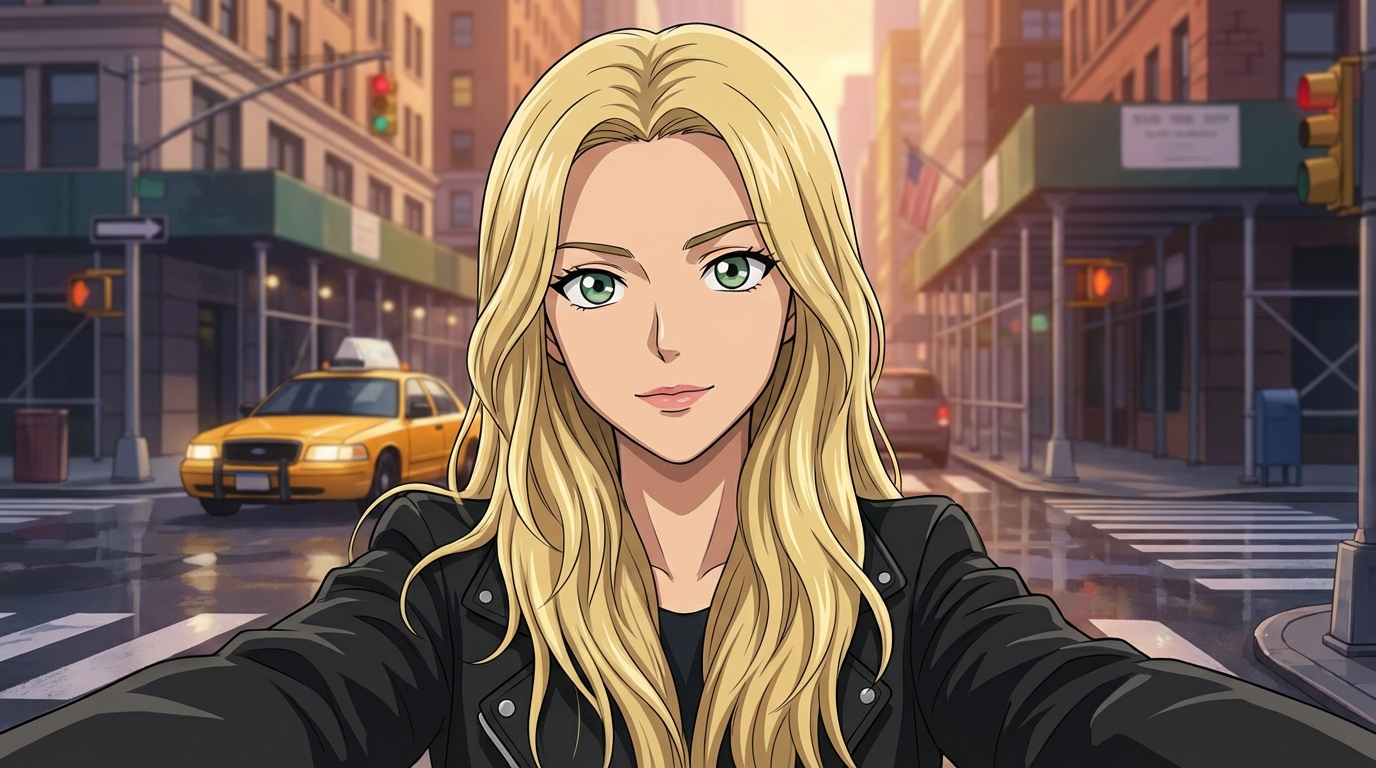
The deduction scene is the visual centerpiece of the Detective Conan style, and it's worth learning to prompt well.
In the series, deduction moments follow a visual pattern that the AI understands. The environment contracts around the detective. A sharp light source cuts across the face from one side. The eyes narrow to a specific expression that sits between focus and triumph. The background detail fades to near-black, leaving only the character and the weight of their realization.
When prompting a deduction scene, work with that pattern explicitly. Describe the lighting first. Side-lit or backlit subjects produce the most dramatic results. Then describe the expression: "eyes narrowed, calculating, a faint hint of satisfaction at the corner of the mouth." Then the environment: "office interior blurred, warm light through venetian blinds casting stripes across the background."
A complete deduction prompt might look like this:
"Detective Conan style, young male detective in a navy blazer, side lighting from the left, shadow across half the face, eyes narrowed with sharp focus, venetian blind light patterns on the background, dark Tokyo office, faint streetlight glow from the window, tension"
Urban Tokyo settings are where the Detective Conan style feels most at home.
The Conan series is deeply rooted in a specific visual version of Tokyo: the high-rise city streets at night, department stores, traditional inns, university campuses, rain-soaked rooftops overlooking the bay. These settings don't just appear as backgrounds. They're part of the story's mood.
When placing your character in a scene, lean into the series' actual locations rather than generic city environments. A rainy night on a bridge over the Sumida River hits differently from "city background." An Edogawa shrine. A Mouri Detective Agency office with files on every surface. A packed commuter train where someone looks just slightly too calm.
For the best results, describe the setting with the same specificity as the character. The more concrete the environment, the more the style can do its work of making it feel like a real place from the Conan universe.
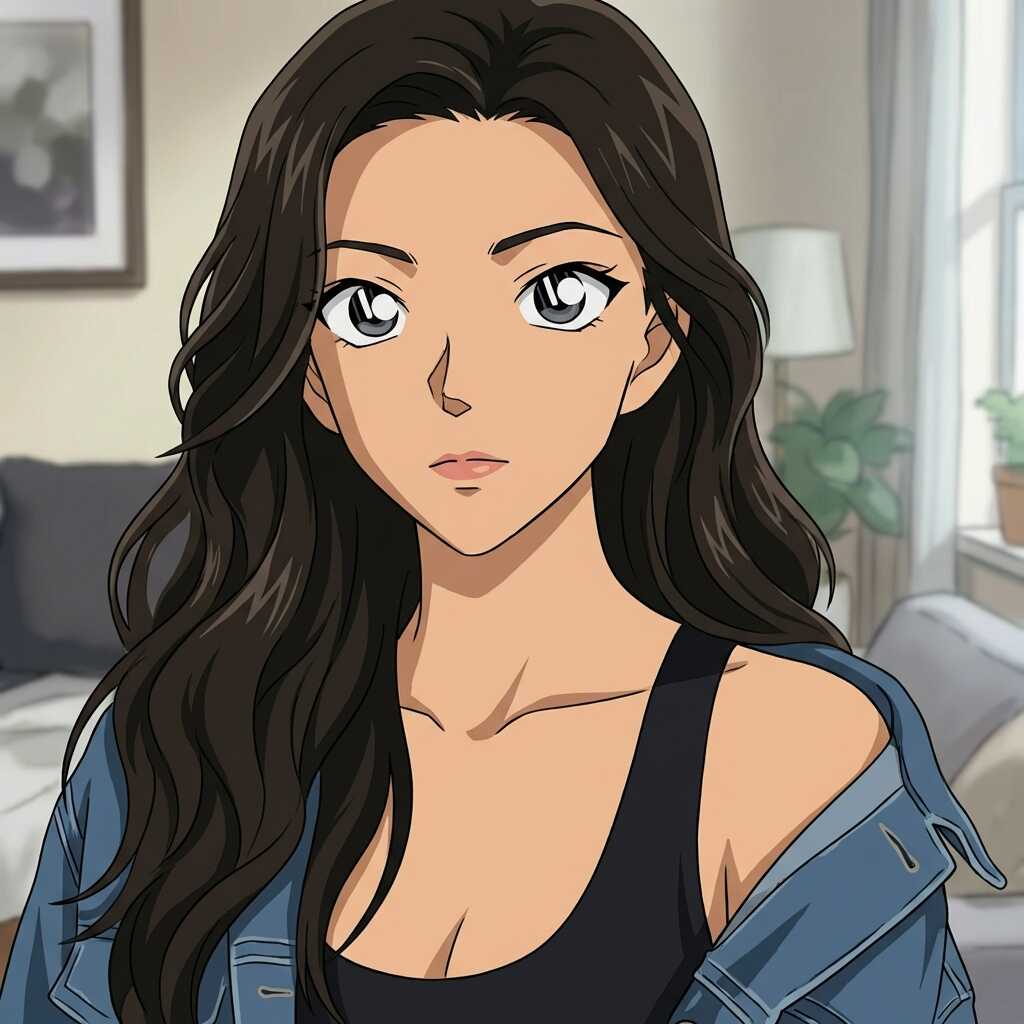
You can build a complete mystery narrative using character sheets, photo packs, and video generation together.
A Detective Conan-style project works best as a series of images rather than a single portrait. The series itself is built around a cast of recurring characters in evolving situations, and that's exactly what AutoWeeb's tools are designed to support.
Start with a Character Sheet built in the Conan style. Lock in your detective's face, their outfit (a blazer, a distinctive tie, a specific hairstyle), and their expression default. With the Character Sheet saved, every subsequent image you generate will show the same person, regardless of which scene they appear in.
Then generate the scenes that tell the story. The detective arriving at a crime scene. A confrontation with a suspect in a darkened hallway. The quiet moment afterward, standing at a window with a cup of tea, turning over the pieces of the case. Use Photo Packs to drop your character into curated environments. Add a Seedance 2 video clip for the deduction reveal. The result is a self-contained mystery arc with your original character in the lead.
The Conan style is versatile enough for fan art, original characters, and real people who want a mystery-anime portrait.
Three of the most common uses of the Detective Conan generator cover different creative goals:
- Fan art with yourself in the cast: See your own face rendered as a character who could exist in Conan's world. Upload a photo, select the style, and get a portrait that looks like a character from the series. A member of the Detective Boys, a suspect, a rival investigator.
- Original mystery characters: Design a detective from scratch. Describe the archetype ("stoic female investigator, late 20s, steel-gray eyes, practical bob cut, charcoal turtleneck") and let the style do the visual work. The Conan aesthetic makes original characters feel grounded and real in a way that more stylized anime styles don't.
- Social-ready portraits: The Conan style produces exceptionally clean profile pictures. The realistic proportions and sharp linework work at every size, from a Discord avatar to a printed poster.
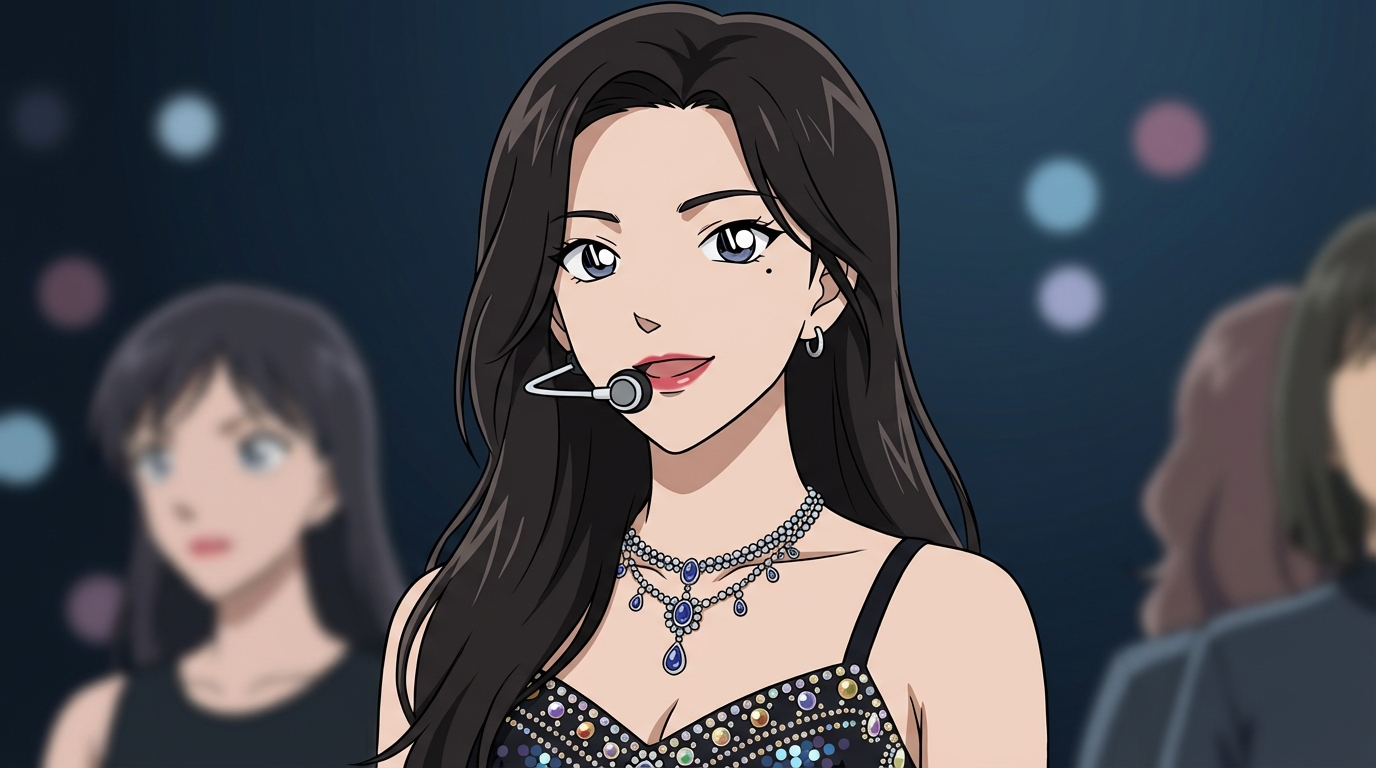
There is always only one truth, and that truth is in the starting image.
The quality of your starting photo determines how well the AI can work. The Detective Conan style is particularly good at translating facial structure into Aoyama's precise linework, but it needs a clear face to work from. Well-lit portraits with a readable expression produce the sharpest results. Backlit or heavily shadowed source photos will soften the output.
For outfit translation, formal or smart-casual clothing aligns naturally with the Conan universe. The series' characters wear blazers, button-up shirts, and tailored jackets. A photo where the subject is dressed similarly gives the model something concrete to build from. If the photo features casual clothing you'd rather replace, describe the new outfit in the prompt alongside the style selection.
👉 Create Your Detective Conan Scene on AutoWeebFrequently asked questions about creating Detective Conan style anime art.
What makes Detective Conan's art style different from other anime?
Detective Conan uses more realistic human proportions than most anime. Characters have natural body ratios, grounded facial features, and outfits that look like clothes real people would wear. The style also has a distinctive tonal range: warm and casual in everyday scenes, then dramatically shadowed and sharp when investigation or tension enters. Most anime styles don't shift this way between registers.
Can I create an original detective character in the Conan style, or does it only work with photos?
You can do both. Uploading a photo is the fastest way to create a character with a specific face, but you can also describe a character from scratch using text prompts. Describe the archetype, the physical details, the outfit, and the expression. The Detective Conan style will render those details with Aoyama's visual language regardless of whether you started from a photo.
What kind of scenes work best with the Detective Conan style?
Urban interiors and night-time Tokyo settings work exceptionally well. Crime scenes, detective offices, train compartments, rain-soaked streets, and traditional Japanese inns all align with the series' visual world. Dramatic deduction moments and tense confrontations look particularly strong because the style knows how to handle investigative lighting and sharp expressions.
How do I keep a character consistent across multiple Detective Conan scenes?
Save your character as a Character Sheet after your first generation. The Character Sheet stores the face, outfit, and design details and uses them as the visual anchor for every future image you generate. Your detective will look like the same person whether they're at a crime scene, in a quiet moment at the office, or facing a confrontation with a suspect.
Can I animate Detective Conan style images into video?
Yes. Once you have a Conan-style image, AutoWeeb's video tools can animate it with Seedance 2. A deduction close-up with eyes narrowing and a subtle ambient light shift becomes a genuinely cinematic moment with even a few seconds of animation. Generate the still first, then use it as the starting image for the video generation.
For more on creating characters in specific styles, read our guide to the Detective Conan anime generator. If you want to animate your mystery scenes, see how to create anime action sequences for the pacing techniques that work.
Related Blog Posts
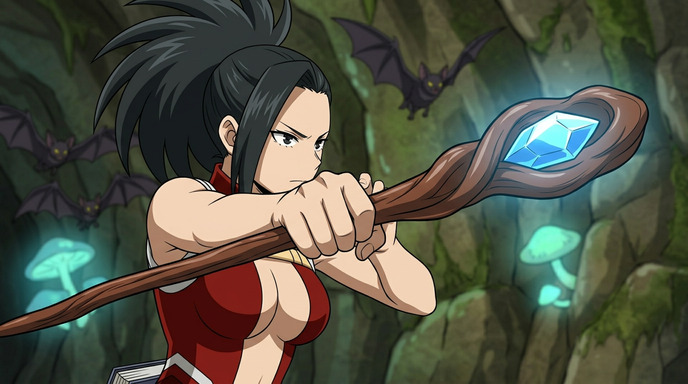
How to Create Anime Magic and Fantasy Videos with AI
Spellcasting, energy beams, and elemental effects that actually look like anime
Create anime magic and fantasy videos with Seedance 2 on AutoWeeb. Prompting tips for spellcasting, energy attacks, elemental effects, and cinematic fantasy sequences.
How to Write Prompts for Seedance 2 Anime Videos
The difference between a good clip and a great one is almost always the prompt
Learn how to write effective prompts for Seedance 2 anime video generation. Tips on camera cuts, time limits, starting images, and using AutoWeeb's prompt analysis tool.
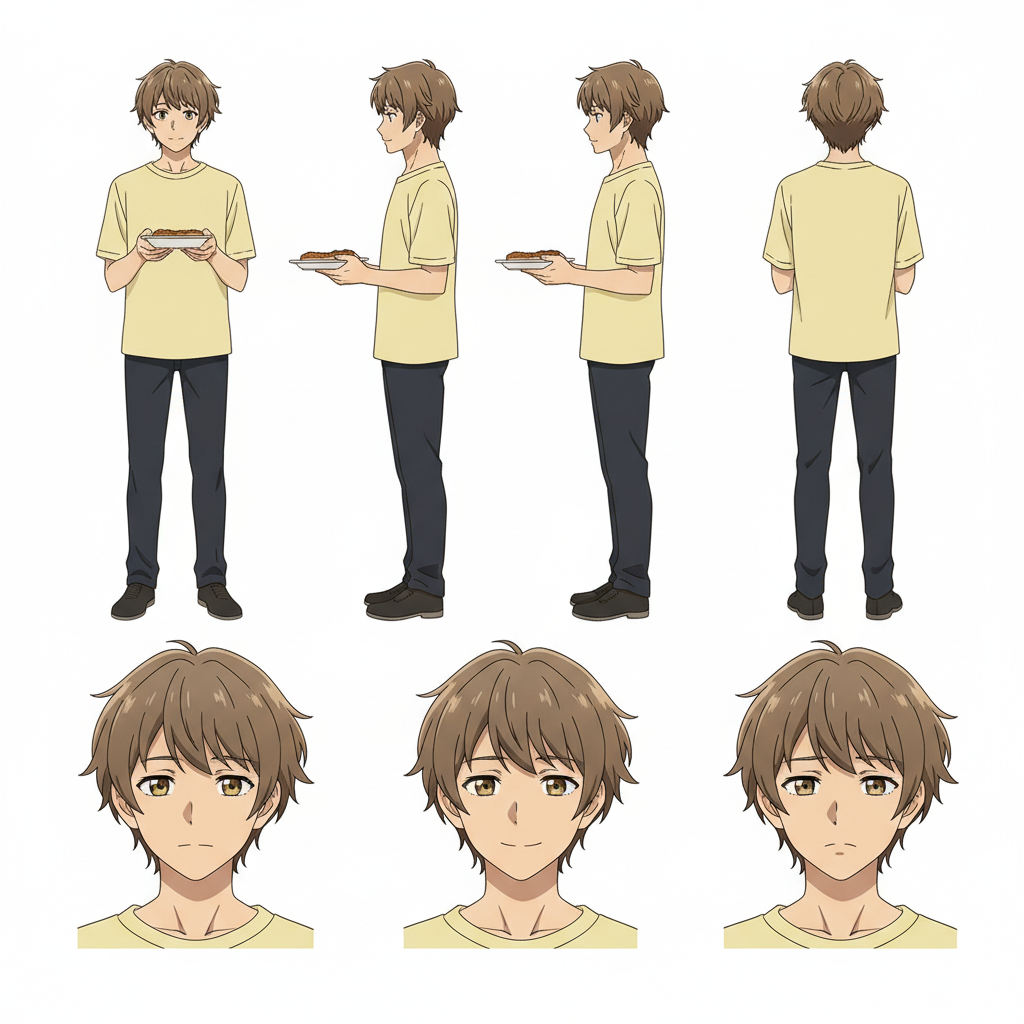
5 Mistakes to Avoid When Making Anime Videos with Seedance 2
Save time and credits by not learning these the hard way
Avoid the most common Seedance 2 mistakes that waste generations. Rushed prompts, bad starting images, overstuffed timelines, and more.
Seedance 2 vs Seedance 1.5: Which Should You Use for Anime?
Two models, different strengths, and one important difference in content filtering
Seedance 2 and Seedance 1.5 both generate anime video, but they handle content filtering differently. Here's when to use each model and what to expect.
Explore AutoWeeb
Jump into the tool that fits your creative step.
AI Anime Video Generator
Animate storyboard shots into cinematic clips with Seedance 2 and consistent characters.
Anime Character Creator
Design original characters with consistent sheets across every scene.
AI Anime Image Generator
Generate cinematic anime stills anchored to your character library.
Turn Photo Into Anime
Upload any photo and watch AI turn it into stunning anime art in seconds.
AI Anime Location Generator
Create a location set once, then generate reference images from every angle.
AI Anime Storyboarding
Describe your idea, pick your characters, and let AI draft the script and scenes.
AI Anime Prompt Agent
Turn a rough idea into a cinematic Seedance 2 prompt with the AI Director.