Design Your Perfect Anime Romance
Every element of an anime romance is a design choice. Here's how to make each one deliberately
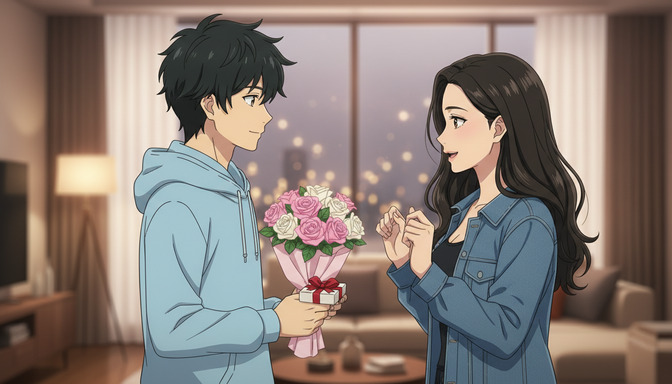
An anime romance is not just a plot. It's a series of design decisions: who the characters are, what world they live in, what visual style that world is rendered in, where the key scenes happen, what quality of light is in those scenes. When you design your own anime romance, you make all of those decisions yourself. AutoWeeb gives you the tools to execute them. This is how to think through each one.
👉 Start Designing Your Anime Romance on AutoWeebDecision 1: The Tone
Before anything else, decide what kind of romance you're building. Different tones produce completely different results even with the same characters and settings.
- Slow burn: Restrained, observant, heavy on ambient tension. Long shots, careful distance between characters, scenes that are loaded with what's not being said.
- Bright and warm: Characters who are already easy together. The romance is less about will-they and more about the specific texture of how they fit. Lighter framing, more direct eye contact, warmer color palettes.
- Bittersweet: Circumstances work against the relationship. Good light in difficult moments. Beautiful settings that underscore the stakes.
- Dramatic: Bigger emotional swings, higher contrast, more intense expression rendering. This is the register of the confession scene, the argument, the moment someone almost leaves.
Your tone choice affects everything downstream: character design, art style, setting selection, and how you prompt individual scenes.
Decision 2: The Characters
The most important design choice is who the two characters are and how they create tension by existing in relation to each other. A romance needs contrast between its characters. Not conflict, necessarily, but difference.
The Protagonist
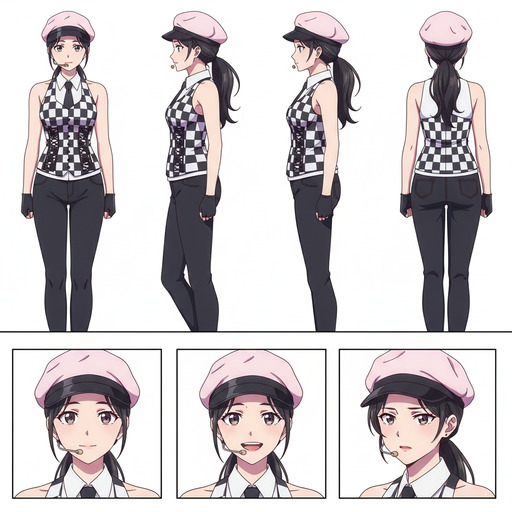
If you want to put yourself into the story, start with AutoWeeb's photo-to-anime converter. Upload a photo, generate an anime portrait, and build a Character Sheet to lock in the design. Your features carry through. The character is recognizably you.
If you're designing a fictional protagonist, define them precisely: hair, eyes, build, color palette, personality archetype. Two or three dominant colors, named specifically. An archetype that suggests how they move through the world.
The Love Interest
Design them to create the specific kind of tension your chosen tone requires. For a slow burn, the love interest might be someone who is warm with everyone except, almost imperceptibly, they're different with the protagonist. For a brighter romance, they might be openly expressive in a way that makes the more reserved protagonist's reactions visible and interesting.
The love interest's design should contrast with the protagonist's in at least one strong visual way. Hair color, color palette, body language defaults. This contrast reads as character without needing explanation.
See the detailed guide on designing an anime love interest for prompting specifics.
Decision 3: The Art Style
The art style is the visual language your romance speaks. It shapes the emotional register of every scene before a single character appears in it. Some options to consider:
Slice of Life
Clean lines, warm but naturalistic color palette, grounded in everyday environments. This style is made for slow burns and relationship-based romance. The ordinary feels precious in slice-of-life rendering, which is exactly what this tone needs.
Ghibli
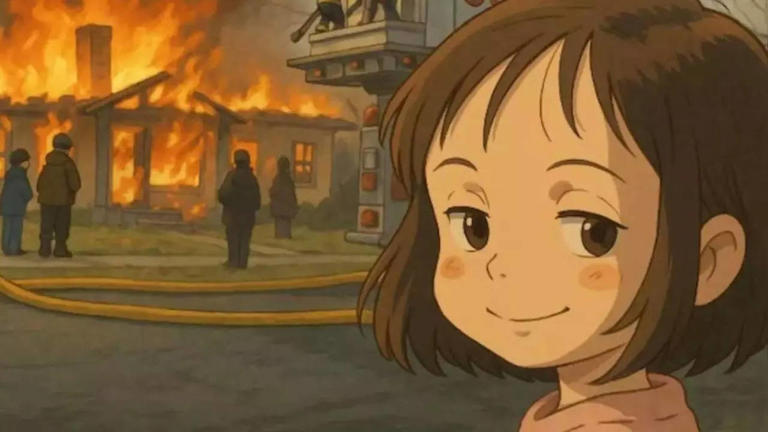
Softer, more expressive, with a sense that the world is slightly larger and more luminous than real life. Excellent for outdoor scenes, nature settings, and romances with an adventurous or bittersweet quality. The environments in Ghibli style do enormous emotional work.
Shojo
Visual emphasis on emotional expression, softer line work, character-focused framing. Natural register for romance specifically. Expressions are rendered with more intensity and faces take up more of the frame.
Browse all available styles at AutoWeeb's styles page. Try the same scene in two different styles and see which one carries the tone you're building toward.
Decision 4: The Settings
The settings of your romance create the visual memory of the relationship. Pick locations that feel distinct from each other so the scenes carry different emotional weight.
A practical approach: pick one location for each narrative beat.
- The meeting place: Somewhere with ambient life. A school hallway, a train platform, a busy street that becomes quiet later.
- The ordinary together place: The location that becomes theirs through repetition. A bench, a particular cafe table, a route they both walk.
- The significant place: Somewhere out of the ordinary that holds the scene where things shift. A hilltop, a festival, a late-night rooftop, a shore.
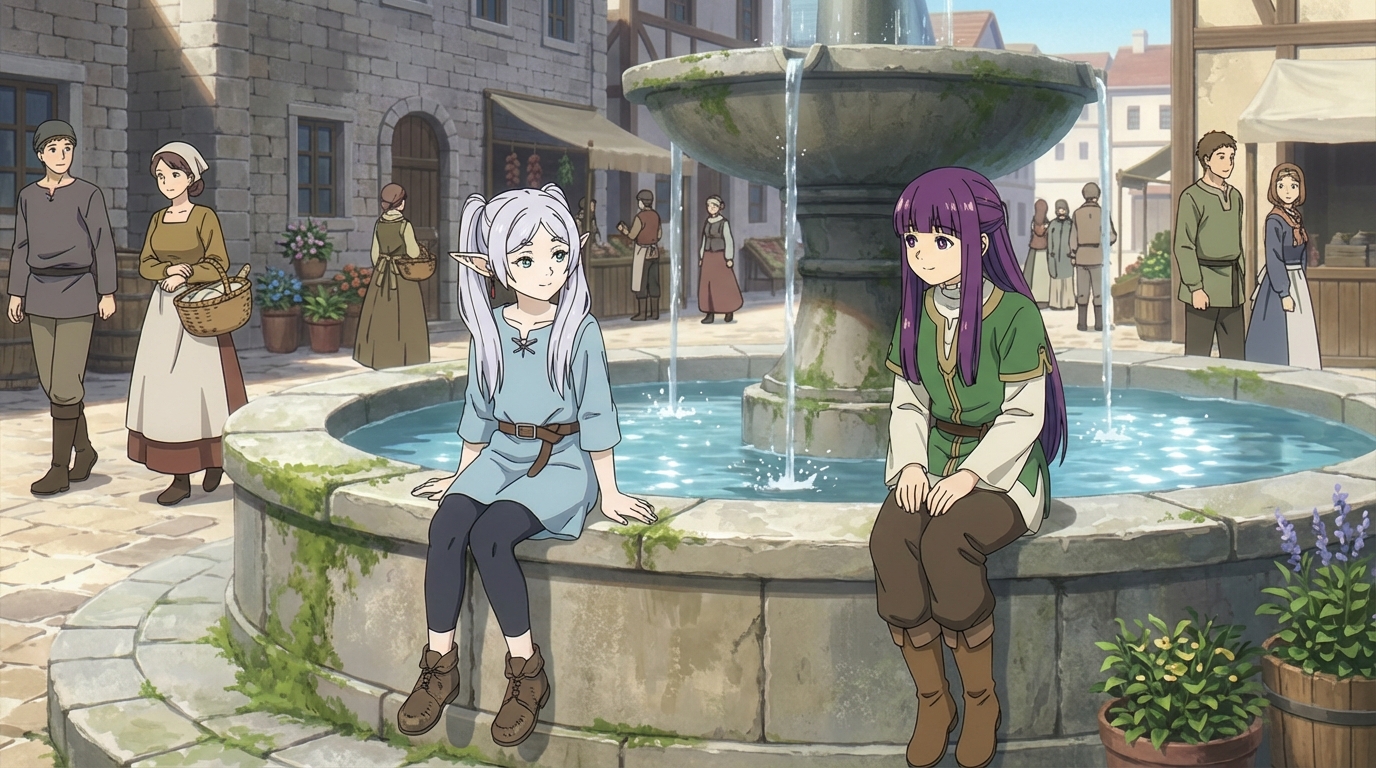
AutoWeeb's photo packs give you professionally built environments across all of these types: Japan City Life, Japanese Nature, Japanese Culture Festival, Isekai Town, Beach OVA.
Decision 5: The Scenes
Now design the individual scenes. For each one, decide:
- What is happening physically: Where are the characters in the frame, what are they doing, how close are they?
- What is happening emotionally: Is this a scene where things are easy between them, or charged? What is each character aware of?
- What quality of light: Golden hour, overcast midday, evening streetlamps, festival lanterns, moonlight?
- What camera distance: Wide enough to see both characters and the environment? Close enough that facial expressions dominate?
Write your scene prompts at this level of specificity. The AI handles appearance through your Character Sheets. Your prompts handle everything else. See the guide on creating your anime romance story for detailed prompting examples.
Decision 6: Where the Motion Goes
Not every scene needs to be animated. One or two scenes with motion, chosen carefully, do more than animating everything. Pick the scenes where motion adds something that stillness can't achieve.
In a slow burn, this is usually the turning point: wind moving through hair in the scene where someone finally says the thing. In a festival romance, it's the fireworks scene. In a Ghibli-style outdoor romance, it's the scene where the world moves around the two still characters.
AutoWeeb animates any still image. Hair movement, ambient particles, light shifts, subtle expressions. A few seconds of the right motion on the right scene is the moment that makes the whole romance feel real.
The Result
Design all six elements deliberately and you end up with something specific enough to feel like it belongs to a real series. The characters are consistent because they're built from Character Sheets. The world has a visual identity because you chose a style and stuck with it. The scenes have emotional weight because you wrote them at the level of the moment rather than the situation.
This is what it means to design a romance rather than generate random images. Every choice compounds into something that couldn't have been made by anyone else, because every choice reflects what you specifically wanted from it.
👉 Design Your Perfect Anime Romance on AutoWeebFor more ideas on specific scenes and tropes, read about anime couple scenes you can recreate with AI, or start from the beginning with how to create your own anime romance story.
Related Blog Posts
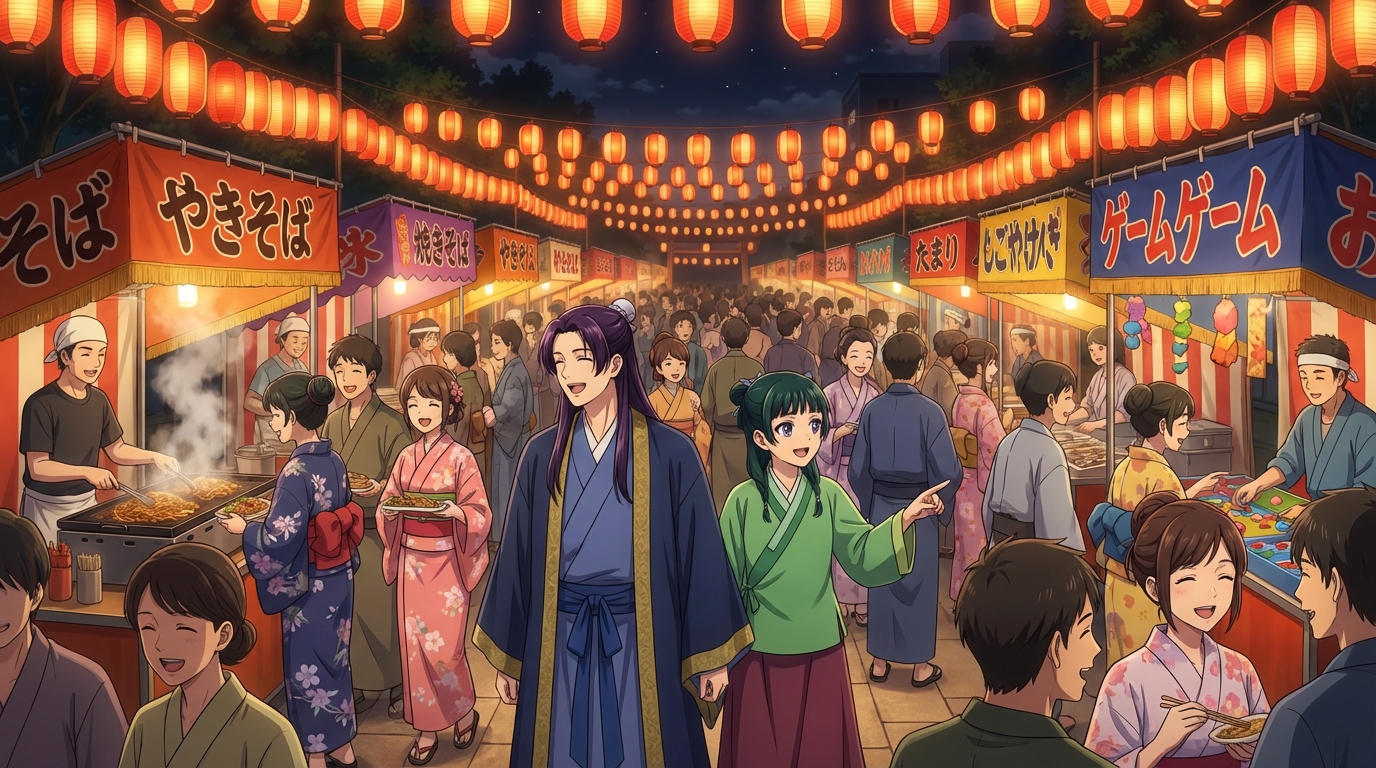
OC Japan Fair Anime Fans: Visit the AutoWeeb Booth
Stop by booth #114 near the OC Promenade hall and turn your fair photos into anime
AutoWeeb is at the OC Japan Fair! Visit booth #114 near the OC Promenade / Nakamise Street to turn your fair photos into anime, create your own anime characters, and generate anime images and videos.
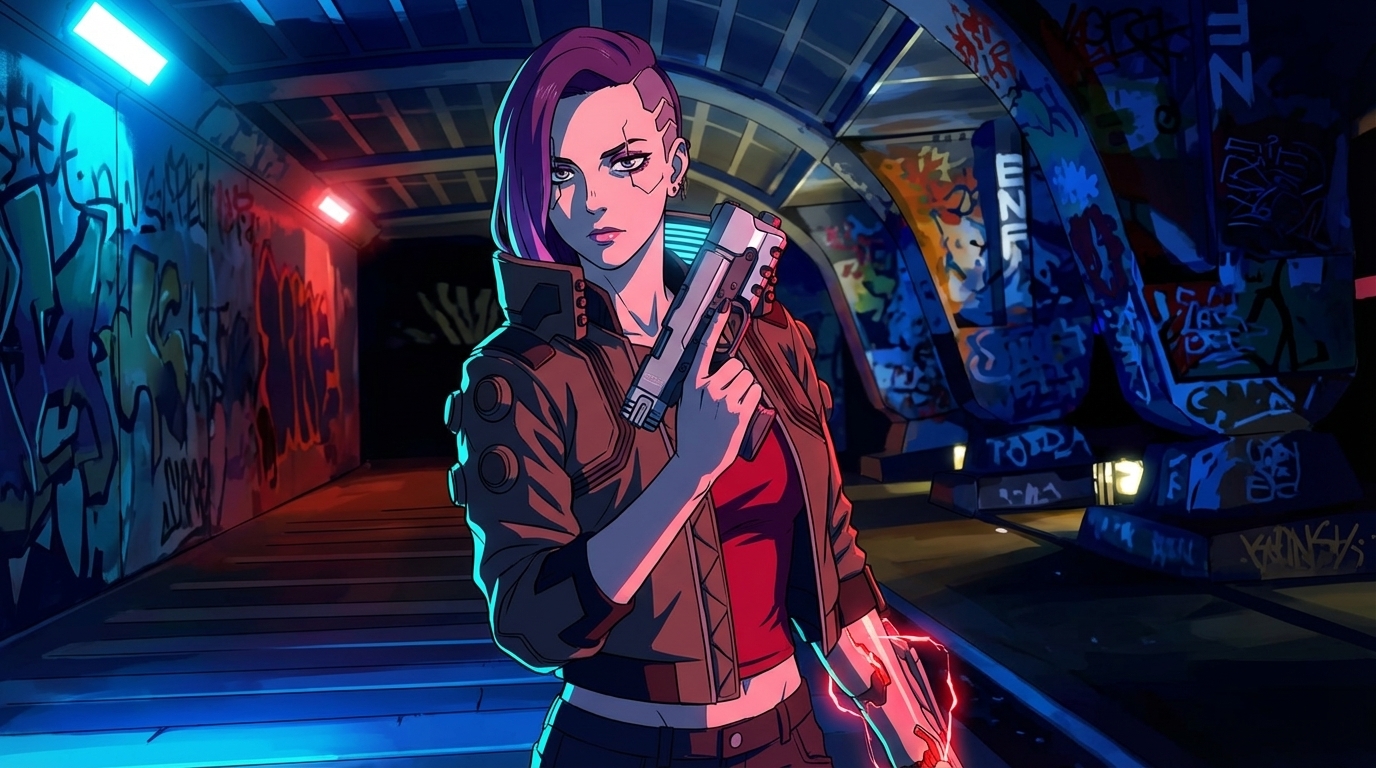
Cyberpunk Anime Generator: How to Create Cyberpunk Anime Art with AI
Neon cities, augmented characters, and rain-soaked streets — generated from your photos
Use AutoWeeb's cyberpunk anime generator to turn photos into neon-soaked cyberpunk art. Holographic cityscapes, augmented characters, and Akira-inspired aesthetics — all with AI.
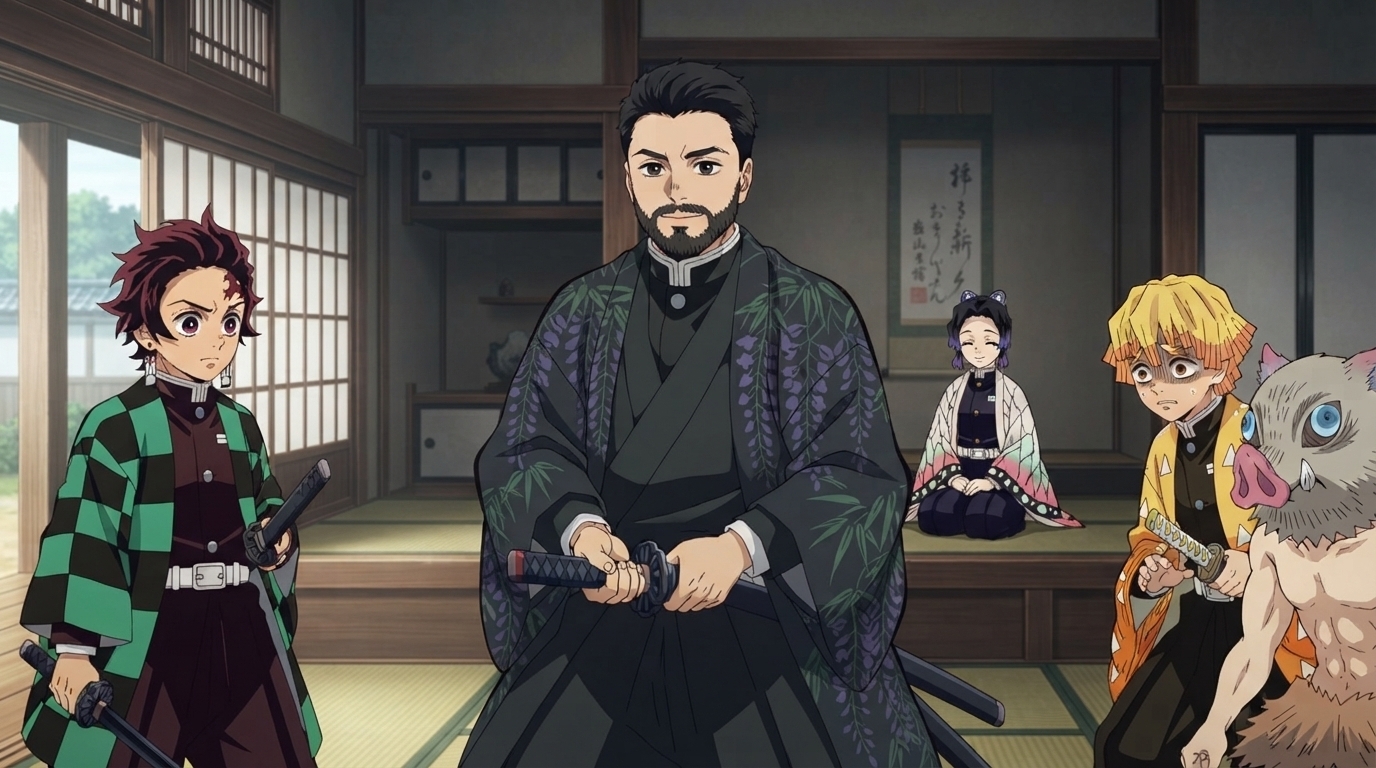
Demon Slayer Anime Generator: How to Create Demon Slayer Style Art with AI
Breathing techniques, cinematic lighting, and ufotable-quality visuals — applied to your photos
Use AutoWeeb's Demon Slayer anime generator to turn photos into Kimetsu no Yaiba-style art. Breathing technique effects, dramatic action poses, and ufotable-quality visuals — all with AI.
Detective Conan Anime Generator: How to Create Case Closed Style Art with AI
Sharp character designs, dramatic deduction scenes, and the iconic mystery anime aesthetic
Use AutoWeeb's Detective Conan anime generator to turn photos into Case Closed-style art. Sharp linework, dramatic investigation scenes, and Gosho Aoyama's iconic character designs — all with AI.
Explore AutoWeeb
Jump into the tool that fits your creative step.
AI Anime Video Generator
Animate storyboard shots into cinematic clips with Seedance 2 and consistent characters.
Anime Character Creator
Design original characters with consistent sheets across every scene.
AI Anime Image Generator
Generate cinematic anime stills anchored to your character library.
Turn Photo Into Anime
Upload any photo and watch AI turn it into stunning anime art in seconds.
AI Anime Location Generator
Create a location set once, then generate reference images from every angle.
AI Anime Storyboarding
Describe your idea, pick your characters, and let AI draft the script and scenes.
AI Anime Prompt Agent
Turn a rough idea into a cinematic Seedance 2 prompt with the AI Director.