Best AI Anime Generator for YouTube Creators and TikTok Content in 2026
Speed, consistency, and monetization potential start with having the right tool for your content workflow.
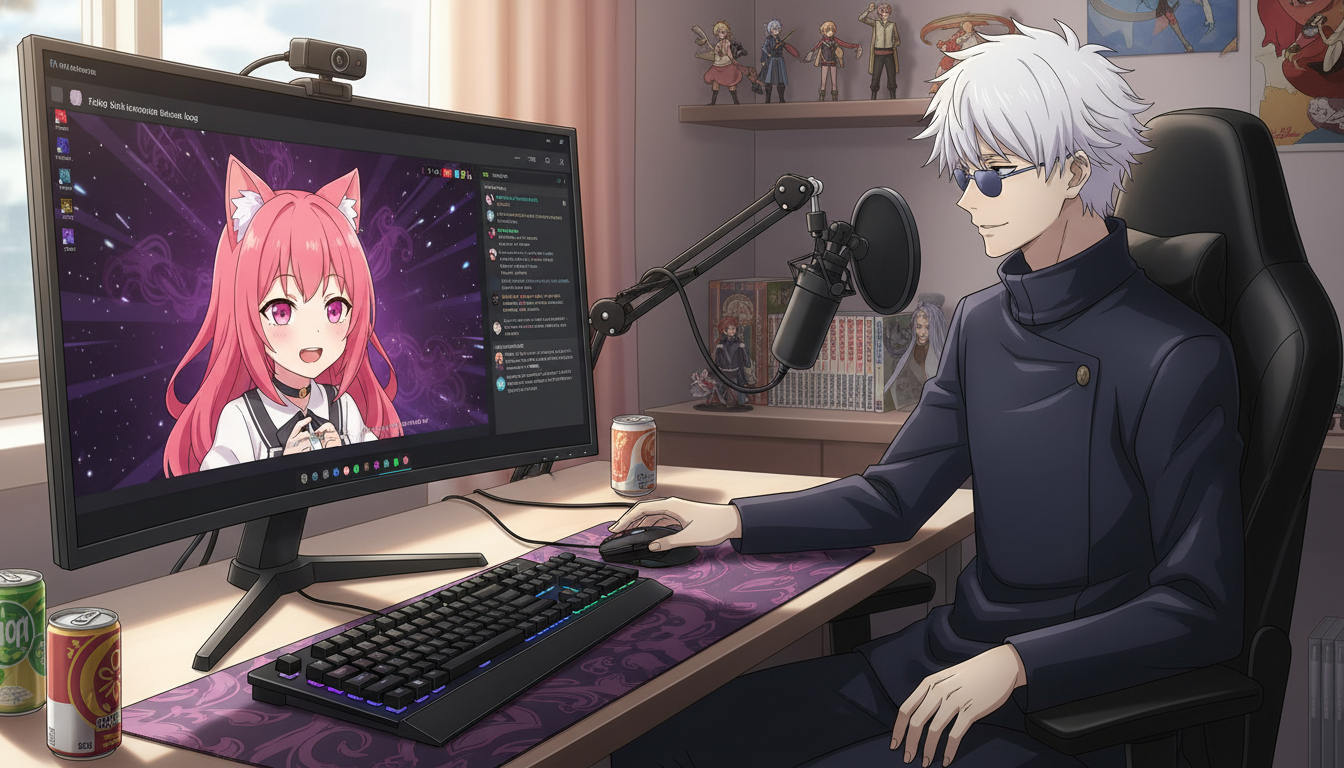
The creators who are growing anime channels on YouTube and TikTok in 2026 are not the ones with the most artistic skill. They are the ones who figured out how to produce consistent content fast enough to let the algorithm work for them. Three videos a week of a recognizable anime character beats one perfect image a month every time, and the AI anime generators that understand this are built differently from the ones optimized for standalone art.
This guide is for US-based content creators who want to use AI to build an anime channel, publish YouTube Shorts or Stories, post TikTok content, or launch a serialized anime series with recurring characters. The focus is on the three things that actually determine whether a channel grows: speed of generation, consistency of character across videos, and a workflow that makes monetization achievable without a production team.
👉 Start Building Your Anime Channel on AutoWeeb — Free to TryWhat separates an AI anime generator built for content creators from one built for one-off art generation.
Most AI anime generators are optimized for a single use case: upload a photo or type a prompt and get one strong image. That workflow is fine for profile pictures, fan art, and one-off projects. It is almost useless for content creation, where the actual work is producing twenty variations of the same character across different scenes, expressions, and contexts while keeping them visually coherent.
The difference shows up immediately. If your AI tool starts from scratch on every generation, your character will have slightly different eye shapes, a different hair silhouette, and inconsistent proportions across your videos. Viewers clock this immediately even if they can't articulate why, and it undermines the sense that they're watching a series rather than a random collection of images. Character lock, the ability to save a specific character and generate new scenes featuring them reliably, is the feature that separates content tools from art toys.
Speed matters in a different way for creators than for casual users. Casual users care about seconds-to-result. Creators care about how many pieces of content they can produce in a two-hour batch session. A tool that takes fifteen seconds per generation will produce about half the content of one that takes seven, which compounds significantly across a weekly schedule.
AutoWeeb is built around character consistency across generations, which is the single most important feature for anime content creators.
Character persistence lets you run a series instead of a gallery, which is what YouTube and TikTok's algorithms reward.
AutoWeeb's character library saves your anime character after the first generation and makes them available as a reference for every subsequent piece of content. You're not re-generating the same character from a text description and hoping it matches — the system anchors to the saved version and holds their appearance across new scenes, expressions, poses, and backgrounds. This is what makes it possible to post a Monday video, a Wednesday video, and a Friday video that all feature the same protagonist without spending hours trying to get the generation to match.
The fastest way to start is to upload your own photo and use AutoWeeb's photo-to-anime conversion to create a base character. From that point, your character is saved and reusable. Alternatively, build a fully original character using the anime character creator with a specific archetype in mind. Either path lands you in the same place: a character who shows up consistently across your content.
Seedance 2 video generation turns your static anime frames into the short video clips that Shorts and TikTok require.
Still images alone won't carry a Shorts or TikTok channel. AutoWeeb's Seedance 2 integration takes a generated anime frame and animates it into a short video clip with motion, cinematic camera movement, and scene-appropriate pacing. For a content creator, this means a still character image in a street scene can become a three-second clip of the character walking through it. A dramatic portrait can become an animated intro. An action frame can become a motion sequence.
The prompting for Seedance 2 clips is lightweight. You describe the motion rather than rebuilding the entire scene: slow pan left, dramatic zoom in on face, cherry blossoms falling across frame. The character and background are already there from the base generation. You're directing the camera, not recreating the scene from scratch.
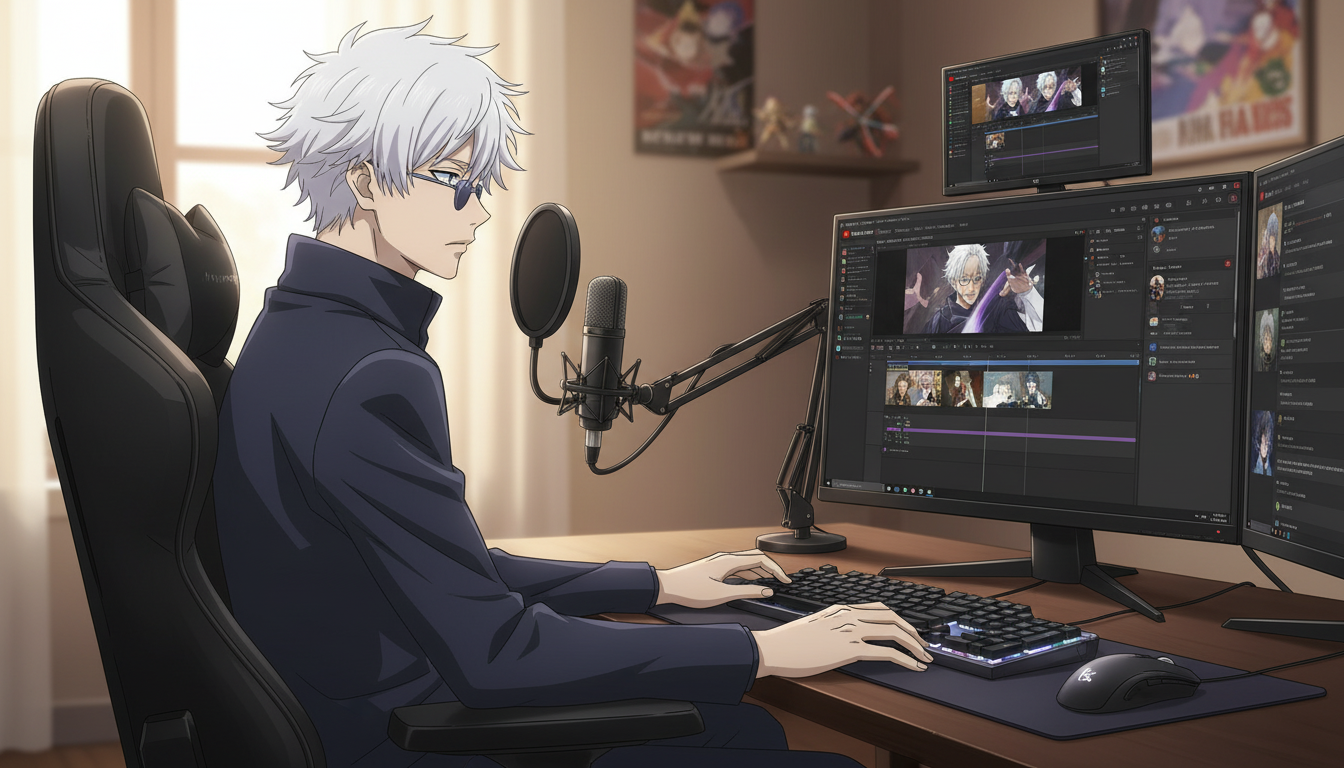
How to structure a five-day-a-week anime content schedule using AI generation without burning out in the second week.
Start with a character concept session before you produce a single piece of content for your channel.
The biggest mistake new anime content creators make is generating images first and figuring out their character later. This produces inconsistency from day one. Before you produce anything for your channel, spend a single session on character creation: decide on the archetype (sharp-tongued rival, soft-spoken detective, overconfident sorcerer), lock the visual design in AutoWeeb's character library, and generate the first ten core expressions and poses you'll need. That library becomes your asset bank for everything that follows.
Useful base expressions to generate in your first session: neutral standing, surprised, determined close-up, smiling at camera, and one dramatic action pose. These cover the majority of content moments you'll encounter in the first month.
Batch your scene generation weekly against a content calendar rather than generating one piece at a time.
Generating content one post at a time is the slowest possible workflow and the one most likely to result in missed posting days. Instead, pick one day a week for batch generation. Plan five to seven pieces of content for the week, list the scenes and settings each one needs, and generate all of them in a single two-hour session. Drop them into AutoWeeb's photo pack scenes to set your character in specific environments without building backgrounds from scratch. Queue your Seedance 2 motion clips for the pieces that need video. Export everything and schedule it.
This approach also makes quality more consistent, because you're making style and framing decisions for the whole week at once rather than reopening the tool with fresh expectations five separate times.
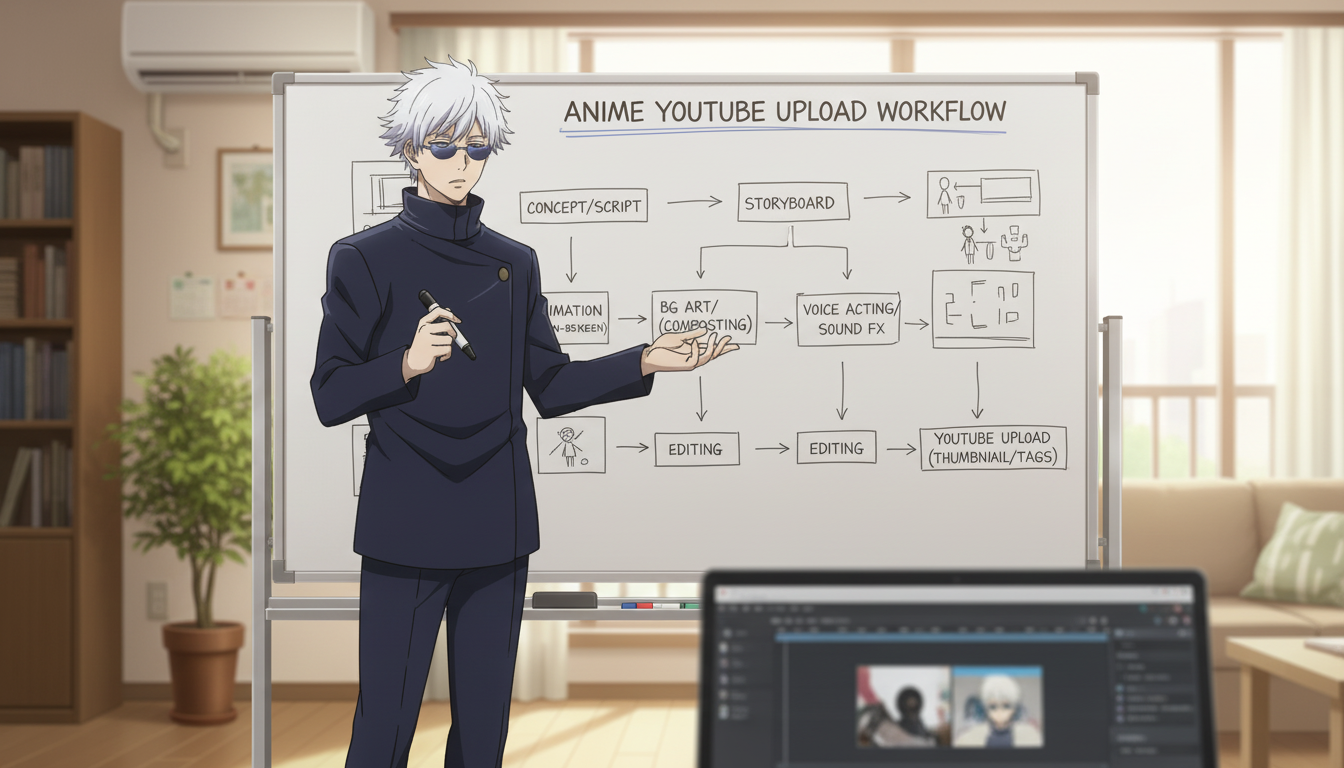
Monetization for anime content creators compounds when you build a character brand, not just a niche.
YouTube and TikTok monetization both favor creators whose audience has a reason to come back. A niche, "anime content," is broad enough that you'll compete against every anime account on the platform. A character brand, an original protagonist with a distinct look, voice, and recurring story, gives your audience a specific reason to subscribe and return.
YouTube's watch time requirements for monetization (500 subscribers and 3,000 watch hours for the YouTube Partner Program entry tier) compound when viewers binge older content because they're invested in the character, not just the topic. TikTok's Creator Rewards Program similarly benefits from high completion rates, and a serialized character format with a cliffhanger-style edit keeps completion rates higher than standalone one-off content.
Beyond ad revenue, anime content creators with a consistent character brand have a natural path to merchandise, Patreon tiers for extended episodes, and sponsored content from brands targeting the anime-adjacent audience. None of that is accessible if your "channel" is a random collection of AI anime images without a connective thread.
The channel identity comes from the character. The character comes from one well-executed creation session. Everything else, the posting schedule, the batch workflow, the Seedance clips, scales from there. For a deeper look at building the narrative structure that keeps viewers hooked across episodes, the guide to best anime story structures for beginners covers the frameworks that translate directly to short-form content pacing.
👉 Create Your Anime Character and Start Posting — Try AutoWeeb FreeFrequently asked questions about using AI anime generators for YouTube and TikTok content creation.
What is the best AI anime generator for YouTube Shorts and TikTok content in 2026?
AutoWeeb is the strongest option for content creators specifically because of its character persistence system. It saves your anime character and lets you generate new scenes featuring them reliably across videos, which is the foundation of any serialized anime channel. It also integrates with Seedance 2 for short video clip generation, produces results in under ten seconds, and doesn't require prompt engineering to get consistent output.
Can I monetize AI-generated anime content on YouTube?
Yes, provided the content meets YouTube's policies on original content and AI disclosure. YouTube's current monetization rules require creators to disclose when content is AI-generated (using YouTube's AI disclosure toggle) and that the content otherwise follows community guidelines. AI-generated anime content is eligible for the YouTube Partner Program on the same basis as other content, and many creators are already monetizing in this format. TikTok has similar disclosure requirements for synthetic media.
How do I keep my anime character looking consistent across multiple videos?
Use a tool with character persistence built in. AutoWeeb's character library saves your character after the first generation and uses them as a reference for every subsequent scene, preserving their face structure, hair design, and visual style. Tools that generate from a text description each time, without a saved reference, will produce drift across videos. The character will look approximately similar but not identical, which viewers notice.
How many pieces of anime content can I realistically produce per week with AI?
In a two-hour batch session with AutoWeeb, a creator can realistically produce five to seven pieces of content: still character images for feed posts, short Seedance 2 clips for Shorts and TikTok, and a few scene variations for thumbnails and story cards. That supports a daily posting schedule with content to spare. The bottleneck is usually editing and captioning, not generation.
Do I need to know how to draw or use Photoshop to make anime content with AI?
No. AutoWeeb is designed for creators without a technical or artistic background. The photo-to-anime conversion requires just a portrait photo. The character creator uses visual pickers rather than text prompts. Scene placement into photo pack backgrounds is drag-and-drop. Seedance 2 video prompts are plain English motion descriptions. The workflow is closer to art direction than art production — you're making decisions about what the scene should look like, not executing the visual work by hand.
What kind of anime content performs best on TikTok and YouTube Shorts?
Short serialized content with a recurring protagonist outperforms one-off images in both completion rate and subscriber conversion. Dramatic moments, reaction expressions, and story-driven clips with a clear visual hook in the first two seconds perform best in the algorithm. Anime fight sequences, emotional reveals, and "day in the life" character vignettes are formats that work well in the fifteen-to-sixty-second range. Consistency of character and posting cadence matters more than production value at the early-channel stage.
Can I use AutoWeeb to make an original anime series on YouTube, not just short clips?
Yes. AutoWeeb's character and scene tools support longer narrative formats as well as short-form content. You can build a consistent cast, generate scene sequences for individual episodes, and use Seedance 2 to animate transitions and action moments. Longer episodes will require more batch generation sessions and video editing time, but the core workflow, character library plus scene generation plus animated clips, scales to any video length.
For more on building the kind of anime story structure that keeps viewers watching across episodes, the guide to building a slice-of-life anime series covers how to pace a serialized format that holds an audience over time. If you're still choosing your character's visual identity, the post on best AI anime generators for beginners walks through the full toolkit without assuming any prior experience.
Related Blog Posts
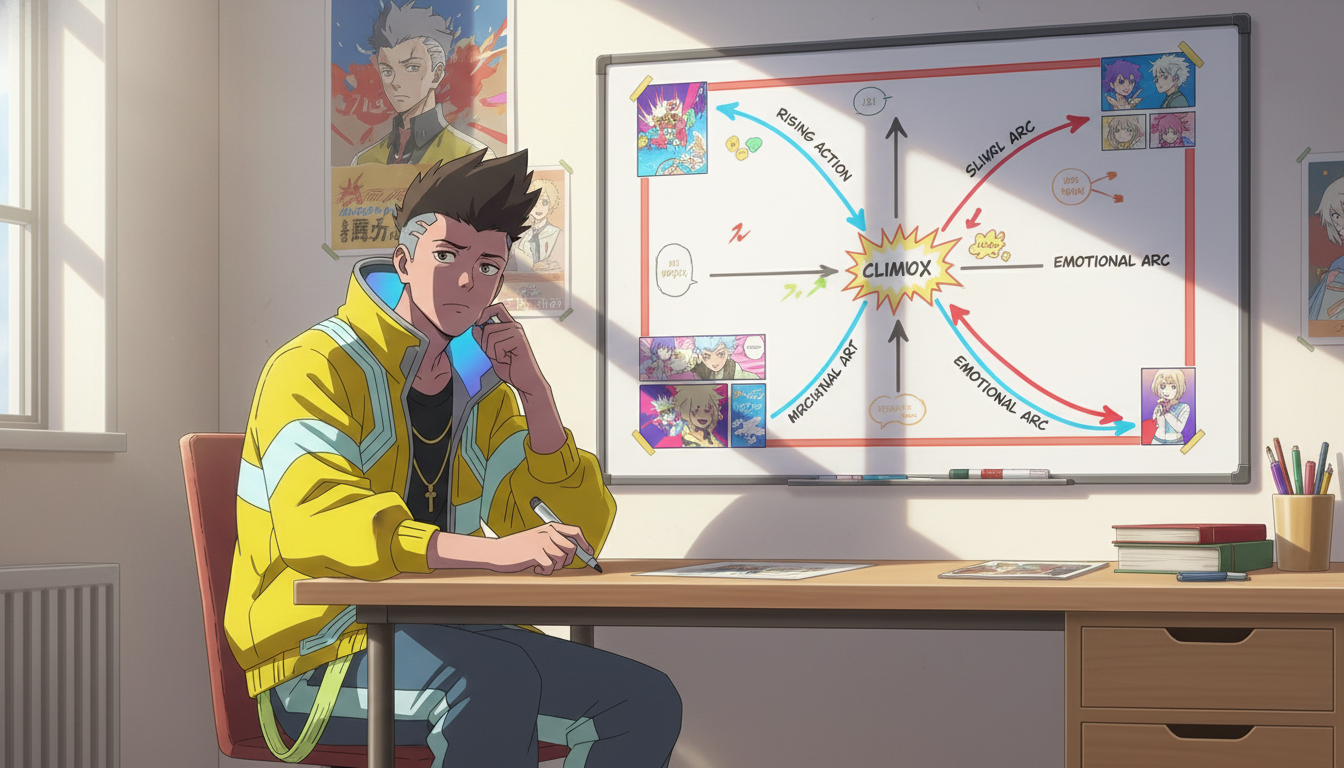
Best Anime Story Structures for Beginners: 5 Frameworks That Actually Work
Hero's journey, tournament arc, school-life episodic, revenge arc, and found-family — each with a working template and pacing strategy
Learn the 5 best anime story structures for beginners: hero's journey, tournament arc, school-life episodic, revenge arc, and found-family progression — with templates and pacing tips.
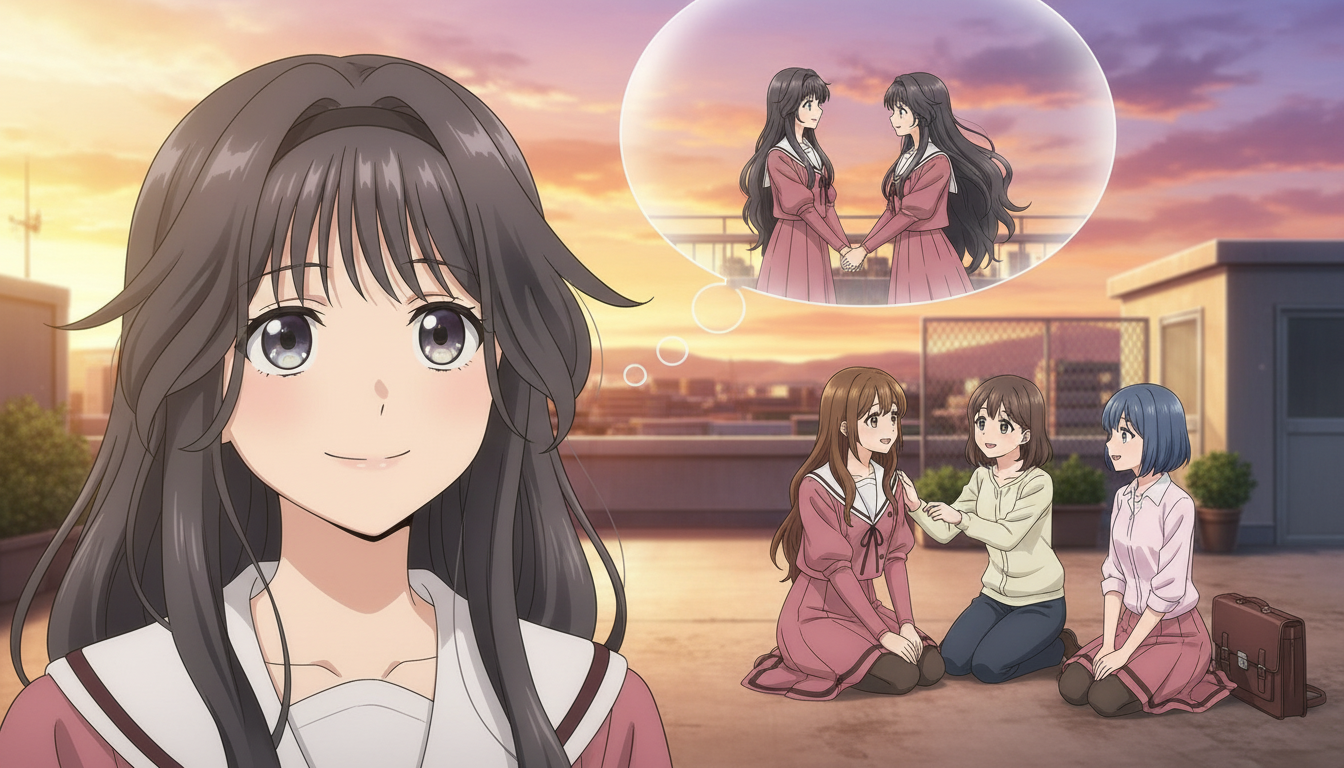
How to Build a Slice-of-Life Anime Series: Character Chemistry, Cozy Pacing, and the Art of Small Moments
Slice-of-life isn't plotless — it's a genre where characters do the heavy lifting and every quiet scene earns its place
Learn how to build a slice-of-life anime series with strong character chemistry, relatable settings, recurring themes, low-stakes conflict, and cozy pacing that keeps viewers coming back.
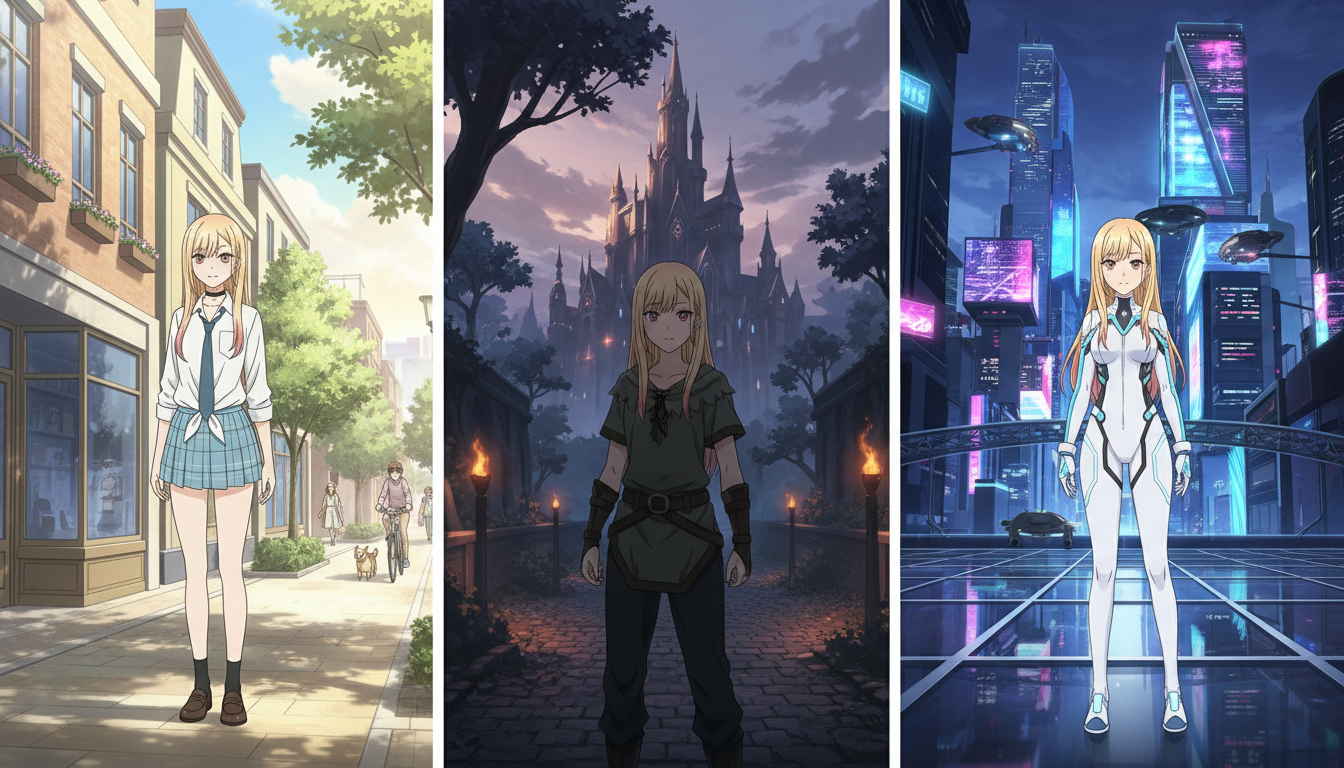
How to Build an Immersive Anime World: Geography, Power Systems, Culture, and Visual Identity
Your world isn't the backdrop — it's the pressure system that makes every conflict feel inevitable
Learn how to build an immersive anime world from scratch. Covers geography, power systems, culture, factions, tone, and visual identity for fantasy, sci-fi, slice-of-life, and dystopian genres.
How to Create Your Own Anime Story: A Beginner's Framework from Idea to First Episode
You don't need a complete world or a perfect plot — you need a protagonist worth following and a problem worth solving
Learn how to create your own anime story from scratch. A step-by-step framework covering genre, protagonist, conflict, world-building, and first episode structure for beginners.
Explore AutoWeeb
Jump into the tool that fits your creative step.
AI Anime Video Generator
Animate storyboard shots into cinematic clips with Seedance 2 and consistent characters.
Anime Character Creator
Design original characters with consistent sheets across every scene.
AI Anime Image Generator
Generate cinematic anime stills anchored to your character library.
Anime Filters
Upload any photo and apply AI anime filters to turn it into stunning anime art in seconds.
AI Anime Location Generator
Create a location set once, then generate reference images from every angle.
AI Anime Storyboarding
Describe your idea, pick your characters, and let AI draft the script and scenes.
AI Anime Prompt Agent
Turn a rough idea into a cinematic Seedance 2 prompt with the AI Director.