Extreme Close-Up Shots Explained: How to Create Powerful Emotional Scenes in AI Anime
How and when to use extreme close-up framing to isolate the details that carry the most emotional weight in AI anime.
The extreme close-up is one of the most intentional shots in anime. It strips away background, removes supporting context, and fills the frame with a single detail: the shimmer of tears forming in an eye before they fall, the whitening of knuckles around a weapon, the slight tremor of a lip in the second before composure breaks. When an anime cuts to an extreme close-up, the audience understands immediately. This moment matters. What you are seeing right now is the whole story.
For AI anime prompting, extreme close-ups require a more precise approach than wider shots. A mid-shot prompt can afford to be vague about framing because the model will fill in plausible context. An extreme close-up prompt cannot. You have to specify exactly how tightly the frame is cropped, what the camera is isolating, and what emotional information that fragment is meant to carry. Miss any of those three things and the model defaults back to a standard shot, and the intensity disappears with it.
What separates an extreme close-up from a close-up or insert shot.
Shot terminology matters when prompting because each term triggers different framing behavior. A close-up typically frames from the neck or shoulders upward, capturing the full face and some environment at the edges. A medium close-up sits at chest level. An extreme close-up eliminates those margins entirely: it fills the frame with a single feature, a pair of eyes, a pair of hands, a mouth, or an object small enough that it would otherwise be a minor detail in a wider frame.
An insert shot is related but different. An insert shows a specific object or detail cut into a scene, often as informational context: the letter being unfolded, the clock showing the time, the photograph on the desk. An extreme close-up is emotionally motivated rather than informationally motivated. It does not explain a scene; it intensifies one. The practical distinction for prompting is this: if the close-up is there to show what something is, it is an insert. If it is there to show what something feels like, it is an extreme close-up.
In prompt terms, the framing constraint should be explicit. "Extreme close-up filling the entire frame with just the character's eyes and the bridge of the nose" is the level of specificity that produces the result you want. "Close-up of face" will give you a standard close-up with visible chin and forehead.
When to use extreme close-up shots in AI anime emotional scenes.
The extreme close-up earns its place in specific moments. Use it wrong and it reads as random fragmentation. Use it right and it lands with a force that no wider shot can match. There are five situations where extreme close-ups carry the most weight.
The first is the peak emotional moment: the precise second when a character's control breaks or solidifies. Tears that have been building finally fall. A jaw that has been set slowly unclenches. This is the frame that justifies the entire scene that preceded it, and the extreme close-up holds that frame without distraction.
The second is the revelation beat. Something is discovered or acknowledged that changes everything: a scar, a familiar ring, a detail that confirms or destroys a belief. The extreme close-up on the object or the character's reaction to it communicates that the audience needs to look at this closely, that the story is hinging on this fragment.
The third is the subtext moment, where two characters are not saying what they mean and the camera goes to the body instead of the dialogue. The hand that tightens on a sleeve. The glance that drops to someone's lips and pulls away quickly. These details cannot live in a wide shot because the viewer would miss them. The extreme close-up makes the subtext unavoidable.
The fourth is contrast editing, where an extreme close-up is used directly before or after a wide shot to establish the full scale of a scene or the isolation of a single character within it. The extreme close-up creates intimacy; the cut to wide creates either scope or loneliness, depending on what the wide frame contains.
The fifth is the charged idle moment: the detail of something a character is doing with their hands or eyes while they are ostensibly doing nothing. A finger slowly tracing the edge of a table. Eyes reading a face rather than listening to the words. These extreme close-ups carry as much narrative content as any action sequence.
How to prompt extreme close-up shots in AI anime, by detail type.
Different parts of the body carry different emotional content when isolated in an extreme close-up. Each one requires different framing language and different detail emphasis in the prompt.
Eyes: the most emotionally loaded extreme close-up in anime.
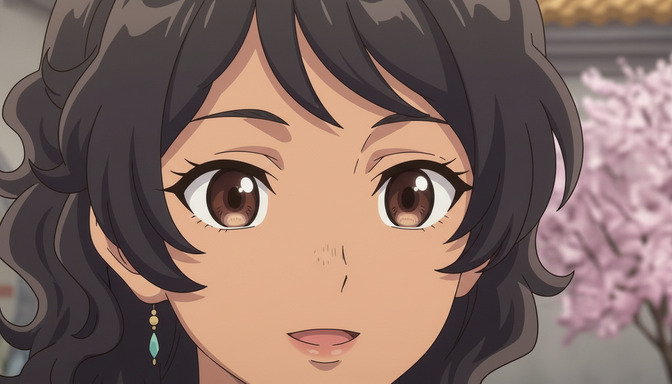
Eye extreme close-ups are the most used and most emotionally saturated in the medium. The framing should specify exactly how much of the face is in frame: "just the eyes from brow to lower lash line" is tighter than "a close-up of the eyes." The key details to describe are iris color and how the light catches it, pupil dilation or constriction, lash density, moisture level, and where the gaze is directed. A gaze that stares directly into the camera lens creates a very different emotional charge than one that looks slightly past it or downward.
Tears forming before they fall prompt: extreme close-up shot filling the entire frame with just the upper half of a girl's face from brow to just below the lower lash line, large dark brown irises with visible light reflection, tears pooling at the inner corners and lower lash line without yet falling, the lashes slightly clumped from the moisture, her gaze looking upward and to the side as if refusing to look directly at the cause, the iris catching the diffuse light of a gray overcast window behind the camera, the edges of the frame showing only the faintest suggestion of soft dark hair and pale skin, slice-of-life anime art style, shallow depth of field with the iris in sharp focus and the lash edges softening at the periphery.
Hands: the detail that carries what the face pretends not to feel.
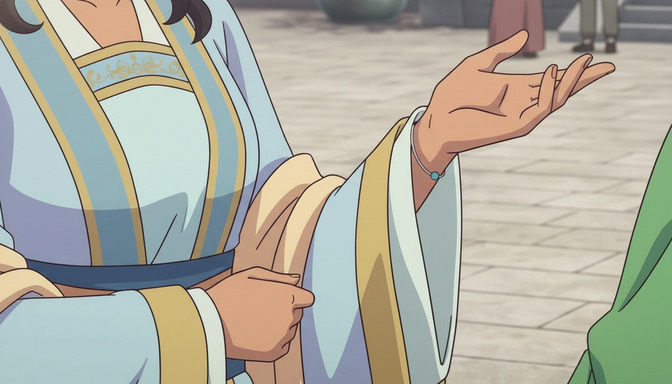
Hand extreme close-ups are uniquely powerful because hands often tell the truth when a character's expression is controlled. The framing prompt needs to specify the crop: "extreme close-up of hands, wrists to fingertips, filling the frame." Then describe what the hands are doing and what that action communicates: gripping fabric, trembling, reaching, pressing flat against a surface, or simply holding still with forced stillness.
Controlled grief hands prompt: extreme close-up of two hands resting on a dark fabric lap, filling most of the frame from wrist to fingertip, one hand pressing flat against the other with fingers slightly interlaced, the knuckles whitened from the pressure being applied, a slight visible tremor in the fingers that have not yet uncurled, the hands belonging to someone in formal dark clothing indicated only by the fabric at the wrist edges, the background a shallow and entirely blurred domestic interior, the lighting a cool window light from the left that catches the tension along the tendons, seinen anime art style with clean precise linework and muted realistic color palette.
Mouth and jaw: the most kinetic close-up detail in tense scenes.
Mouth extreme close-ups isolate the part of the face that is hardest to control under emotional pressure. A jaw that is set but trembling. Lips pressed together in suppressed emotion. The sharp exhale before a character says something they cannot take back. The framing should specify the crop from just below the nose to just below the chin, and then describe the physical state in detail: the pressure between the lips, whether they are parted or closed, what the jaw and chin muscles are doing.
Suppressed rage prompt: extreme close-up filling the frame from just below the nose to the chin, a male character's jaw set with visible muscle tension along the jawline, lips pressed into a thin line with slight whitening at the corners from the pressure, a small tremor at the corner of the mouth, the chin slightly forward as if braced against impact, the framing cutting off before the eyes to focus entirely on the lower face, shonen anime art style, high-contrast side lighting from the right that casts a sharp shadow along the jaw and chin.
Object and detail inserts: when the emotional charge lives in a thing.
Sometimes the most powerful extreme close-up is not a body part but an object that carries the weight of the scene: a ring being removed, a letter being folded and refolded, a key being set down with finality. The prompt for these should specify the object in precise physical detail, the surface it is resting on or being held against, and the quality of light that reveals its significance. The emotional framing comes from context established elsewhere in the scene.
Farewell object prompt: extreme close-up of a small silver ring resting in the center of a character's open palm, the ring slightly worn at the band with the engraving catching the warm indoor light, the hand holding it with the palm facing upward in a gesture of offering or release rather than keeping, the background entirely blurred into warm amber interior light, a single sharp focus on the ring while the edges of the hand soften, shoujo anime art style with clean lines and a warm muted palette that emphasizes the metallic glint of the ring against the skin.
Using extreme close-ups in contrast with wide shots to build emotional scale.
The extreme close-up gets most of its power from contrast. A shot that lives entirely in close-up from the beginning of a scene has no comparative scale to leverage. The technique becomes most effective when it follows or precedes a wider establishing frame, because the cut between the two creates the emotional impact rather than either shot alone.
In anime, the pattern appears most often as a wide establishing shot that shows two characters in a scene together, followed by a cut to an extreme close-up of one character's reaction. The wide shot gave the audience the geometry of the situation: who is where, how far apart they are, what surrounds them. The extreme close-up then abandons all of that and demands that the viewer look only at what is happening in the character's face or hands. The contrast between the two frames creates the effect of the camera leaning in.
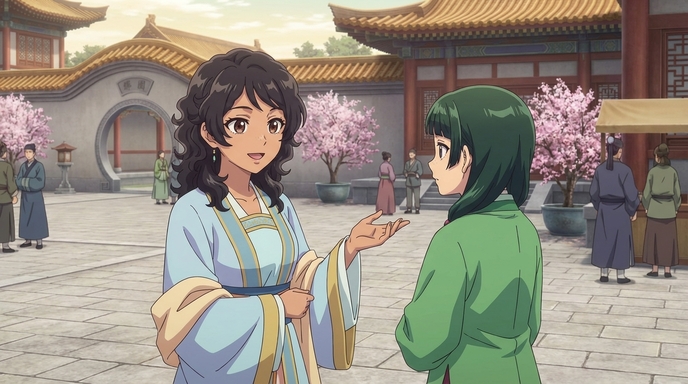
When prompting for a sequence like this in AI anime, treat the two shots as paired images rather than independent ones. The wide shot and the extreme close-up should share lighting conditions, color palette, and time of day. If the wide shot is lit by warm afternoon sun with the characters in the lower-right third of a courtyard, the extreme close-up should carry the same warm light quality on the skin, so the viewer's eye accepts the match cut. Mismatched lighting between a wide and a close-up creates a jarring disconnect rather than the intended lean-in effect.
The most common extreme close-up prompting mistakes and how to fix them.
The first and most frequent mistake is under-specifying the framing. Writing "close-up of eyes" gives the model too much latitude. The result is typically a standard close-up showing the full face from hairline to chin rather than the extreme version that isolates only the eyes. Fix it by naming the exact crop boundaries: "extreme close-up filling the entire frame with only the eyes from brow to lower lash line, no forehead visible, no chin visible."
The second mistake is forgetting to specify the depth of field. An extreme close-up at wide aperture produces a shallow depth of field where only the single sharp detail in focus and the surrounding area softens into blur. Without specifying "shallow depth of field" or "the [detail] in sharp focus, background softened to blur," the model may render the close-up with everything equally in focus, which flattens it and removes the cinematic quality.
The third mistake is neglecting the lighting on the isolated detail. In a wider shot, lighting is distributed across the whole frame and the model fills it in plausibly. In an extreme close-up, the lighting on that single surface is the entire visual environment. Specify it explicitly: the direction of the key light, whether it is catching moisture, reflection, or shadow, and what quality it has (hard, diffuse, warm, cool).
The fourth mistake is treating extreme close-ups as purely technical rather than emotionally motivated. If the prompt does not convey why the camera is here, the result looks like a cropped portrait rather than a charged moment. Adding an emotional state to the physical description, "a girl's eyes from brow to lower lash line, tears pooling at the inner corners, her gaze directed sideways and downward" gives the model an emotional register to render toward, not just a framing instruction.
The guide on AI anime facial expression and pose prompts covers the specific physical vocabulary of each major emotion in detail, which pairs directly with the framing techniques here. The guide on lens effects for AI anime prompts covers how to control depth of field and bokeh to give close-up shots the cinematic quality they need to land. For the full layered prompting system that combines framing, lighting, expression, and style, see the guide on the ultimate AI anime prompt formula.
Frequently asked questions about extreme close-up shots in AI anime.
What is an extreme close-up shot in anime?
An extreme close-up is a shot that fills the entire frame with a single detail rather than showing the full face or body. In anime, this typically means the eyes from brow to lash line, the lower face from nose to chin, both hands together, or a small object being held. It is used to force the viewer's attention onto a specific emotional detail at a peak moment in the scene. Unlike a standard close-up, which shows the full face and some surrounding environment, an extreme close-up eliminates all supporting context.
How do I prompt an extreme close-up in AI anime?
Start by naming the framing constraint explicitly: "extreme close-up shot filling the entire frame with only [the specific detail]." Then specify what the detail looks like in its current emotional state, describe the depth of field (shallow, with the subject in sharp focus and background blurred), and name the lighting quality on that surface. Without all three of those elements, the model will typically produce a standard close-up or a portrait shot rather than the tight, charged framing of a true extreme close-up.
When should I use an extreme close-up instead of a standard close-up?
Use an extreme close-up when the emotional weight of the scene is concentrated in a single physical detail that a standard close-up would share frame space with other elements. If the important thing is the tears forming in a specific eye, not the nose or chin below it, use an extreme close-up. If the important thing is the tension in a character's hands, not their face, use an extreme close-up of the hands. The rule is: if the detail could be missed or diluted by including more of the frame, the extreme close-up earns its place.
What body parts work best for extreme close-up shots in emotional anime scenes?
Eyes are the most commonly used and emotionally loaded: they carry the most legible emotion and respond visibly to physical states like moisture, dilation, and light reflection. Hands are the second most powerful because they often reveal emotional truth that the face is suppressing. The mouth and jaw are effective for tension and suppression scenes. Object inserts, a ring, a letter, a scar glimpsed through cloth, work when the emotional charge lives in a thing rather than a person. Each body part carries different content and suits different emotional moments.
How do I make an extreme close-up look cinematic rather than just cropped?
Specify shallow depth of field, meaningful directional lighting, and an emotionally specific physical state rather than a neutral one. A cropped portrait looks like the camera got too close. A cinematic extreme close-up has the subject in sharp focus against blurred context, lit with intention, and showing a physical detail that carries emotional content. The difference is the combination of all three: depth of field, lighting, and emotional specificity in what is being shown.
Can I combine extreme close-up framing with specific anime art styles?
Yes, and the art style changes what the extreme close-up emphasizes. Shoujo style will emphasize the luminosity and softness of the eyes, with large irises and delicate lash detail. Seinen style will render the same close-up with harder, more realistic linework and less stylized proportions. Shonen extreme close-ups often include environmental effects like energy lines or color shifts that extend from the subject. Specify both the art style and the framing in the same prompt so the model applies the style's visual vocabulary to the close-up detail rather than defaulting to a generic anime face.
How do I pair an extreme close-up with a wide shot to create contrast?
Treat the two shots as a matched pair. Keep the lighting conditions consistent between them: the same color temperature, the same direction of the key light, the same time of day. The wide shot establishes the setting and the characters' relationship within it. The extreme close-up then removes all of that context and focuses only on the emotional detail that the wide shot was building toward. When generating both, specify in each prompt that they share the same scene, lighting quality, and palette so the match cut between them reads as intentional rather than accidental.
Related Blog Posts
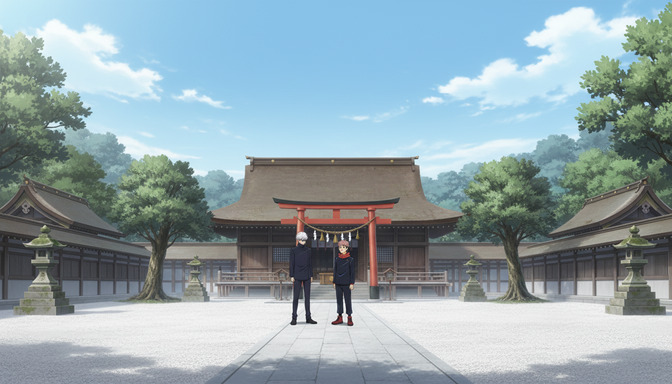
How to Create Long Shots in AI Anime
The prompting structure that places your character fully inside a world — and why most long shot attempts drift into medium shots or get swallowed by the environment.
Learn how to prompt long shots in AI anime — frame the full character, build the environment as co-subject, use negative space, and let AutoWeeb's prompt analysis catch what's missing.
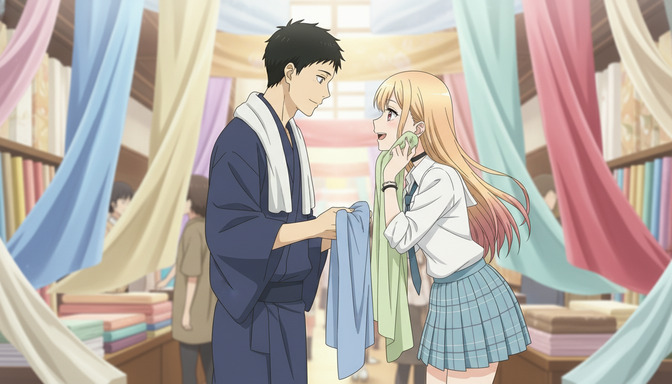
Best AI Anime Lighting Prompts: Cinematic Soft, Neon, and Emotional Scenes
How the right light source transforms an ordinary anime scene into something that actually feels like something — and the exact prompt language to get there.
The best AI anime lighting prompts for every mood: soft sunlight, golden hour, cyberpunk neon, moody rain, candlelight, and volumetric light. Templates included.
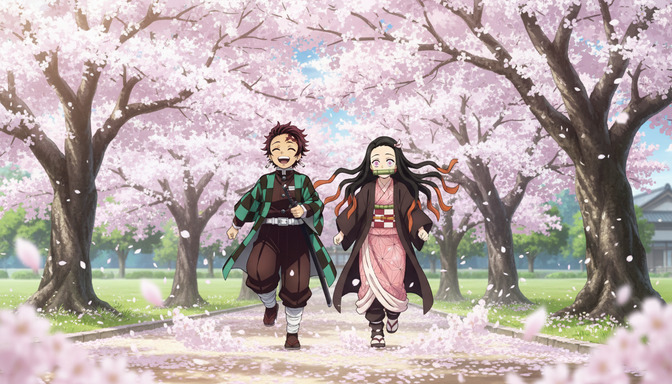
How to Add Atmosphere to AI Anime Prompts (Rain, Fog, Magic, Smoke)
The environmental effects that turn a technically correct anime scene into one that actually feels like being inside it.
Learn how to add atmosphere to AI anime prompts: rain, fog, cherry blossoms, snowfall, smoke, sparks, magical particles, and full weather systems. Prompt templates included.
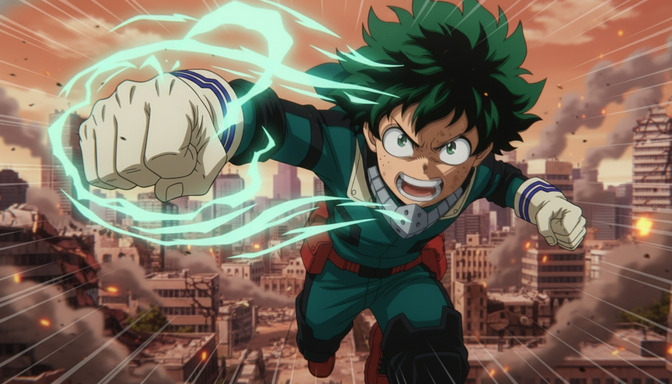
How to Create Motion Blur Lines in AI Anime
The prompting structure that makes movement feel fast, forceful, and impossible to look away from.
Learn how to prompt motion blur lines in AI anime for images and video. Direction, intensity, secondary effects, and how AutoWeeb's prompt analysis catches what's missing.
Explore AutoWeeb
Jump into the tool that fits your creative step.
AI Anime Video Generator
Animate storyboard shots into cinematic clips with Seedance 2 and consistent characters.
Anime Character Creator
Design original characters with consistent sheets across every scene.
AI Anime Image Generator
Generate cinematic anime stills anchored to your character library.
Anime Filters
Upload any photo and apply AI anime filters to turn it into stunning anime art in seconds.
AI Anime Location Generator
Create a location set once, then generate reference images from every angle.
AI Anime Storyboarding
Describe your idea, pick your characters, and let AI draft the script and scenes.
AI Anime Prompt Agent
Turn a rough idea into a cinematic Seedance 2 prompt with the AI Director.