How to Turn Your Next Cosplay into a High-Fidelity Anime Scene
Convention photos deserve more than a filter. Shoot for conversion, lock the costume in stills, then place the same character in cinematic anime scenes for YouTube.

Cosplay to anime fails when the output treats your costume like a blurry selfie with linework on top. A high-fidelity anime scene keeps the craft visible: seam lines on armor, the gradient in a styled wig, the way your shoulders hold a prop. Convention halls, hotel lobbies, and rooftop shoots already give you cinematic light. The workflow below is for cosplayers who post on YouTube and Shorts and want stills that read like key visuals, then motion that does not recast their face.
You will shoot with conversion in mind, match the art style to the source series, lock the design in a character sheet, and extend the same look into clips with the AI anime video generator. When you need panel lines that stay aligned with your screenplay beats, route prompts through the AI anime prompt agent so hook, turn, and land stay in one vocabulary.
What "high-fidelity" means for cosplay (and what ruins it).
Fidelity is not maximum saturation. It is accurate translation: your pauldron shape survives, your eye makeup becomes anime eyes without changing your face type, your pose energy becomes line of action instead of a stiff mannequin. Low-fidelity cosplay conversion smears props, melts wigs into hair helmets, and picks a random outfit from the training set.
The practical test: could a fan of the character you are cosplaying recognize the costume details in the anime frame without reading the caption? If the answer is no, the issue is usually the source photo, not your ambition. Shoot sharp, shoot in character, and give the AI edges to follow.
- Sharp focus on the costume front: Autofocus on faces is fine for portraits; for armor and props, tap focus on the chest piece or weapon haft.
- One strong light direction: Convention hall overhead is flat. Step near a window, a vendor neon sign, or outdoor shade with open sky for rim light.
- Full body or three-quarter: Cropped helmet-only shots lose the silhouette that sells cosplay on camera.
Step 1: Shoot cosplay photos your converter can actually read.
Treat the camera like you are shooting reference for an animator. Stand in a power stance or mid-gesture from the character's repertoire. Keep props visible; do not tuck a sword behind a cape panel if you want that sword in the anime frame. Avoid heavy beauty filters on the phone; they erase fabric texture the model needs.
Group cosplay squads should still convert one person at a time for the cleanest lock. Generate the lead, save them to the library, then build ensemble scenes with consistent designs. The guide on how to turn a photo to anime covers upload basics; cosplay adds the rule that costume beats face in the first pass.

Step 2: Match the art style to the series you are cosplaying.
A Demon Slayer build wants sharp contrast and breathing-effect energy. A Ghibli-inspired original wants softer edges and pastoral color. A mystery ensemble wants clean linework and grounded proportions. Picking the wrong style does not just look off; it reads as disrespect to the craft you wore for twelve hours.
Upload the convention photo, select the closest style from the style library, and iterate on one pose before you batch ten backgrounds. Prompt examples that preserve fidelity:
- Same cosplayer, fantasy knight armor with silver pauldrons and crimson cape, medium-wide shot, convention hall soft lights, sharp linework, detailed metal edges, no text
- Three-quarter view, wind lifting cape hem, rooftop night rim light, same armor plates and wig color as reference, cinematic anime key visual
- Close-up on gauntlet and prop hilt, shallow depth of field, clean cel shading, preserve scratches on foam weathering
If you are cosplaying an original design, name three locked nouns in every prompt (for example: mint undercut, brass compass brooch, forest-green greatcoat) so the model cannot swap your OC into a generic school uniform.
Step 3: Lock the cosplay as a character sheet, not a one-off still.
A single stunning still is portfolio material. A saved character is a series. Run the best convention conversion through the anime character creator and build a sheet: front, three-quarter, expression variants. That sheet becomes the reference every future scene inherits.
Cosplay YouTubers use this lock for repeatable thumbnails: same heroine, new location each week. Place the locked design into photo packs when you want curated environments (festival grounds, city alleys, training dojos) without re-describing the wig color every time.

Step 4: Turn the approved still into motion for YouTube and Shorts.
Motion is where cosplay channels win or lose subscribers. If episode two's jawline does not match episode one, viewers assume a different actor. Start from the approved still as anchor, open the AI anime video generator, and describe time, not a new face: cape flutters, camera slow push-in, eyes narrow, hold pose from reference.
Structure cosplay Shorts like anime beats: three seconds of costume reveal (hook), two seconds of location or power-up (turn), one second of logo or next-episode tease (land). Batch three lands before you publish the con recap; the guide on from still image to animation walks the still-to-motion chain in more detail.
For recap vlogs, intercut real convention footage with two or three anime scene inserts generated from the same locked character. The contrast reads as "the cosplay came alive," not as a separate AI experiment.
Common cosplay-to-anime mistakes (and quick fixes).
- Blurry hall snapshots: Retake near a wall with your back to foot traffic; motion blur kills armor edges.
- Style mismatch: Swap styles before you rewrite the prompt ten times.
- Re-describing the face in video prompts: Point motion lines at the saved character; never reintroduce hair color in paragraph two.
- Publishing before QA: Compare pauldron shape and prop hand in still versus first video frame side by side.
Frequently Asked Questions
Can AutoWeeb convert cosplay photos without losing costume details?
Yes, when the source photo is sharp and you pick a style that matches the series aesthetic. AutoWeeb's photo-to-anime path is tuned for character and costume edges; your job is to give it focus and a clear light direction. Extreme low-light hall shots will always fight any model.
Do I need separate workflows for Instagram stills and YouTube video?
No. Lock once in the character library, export stills for posts, and reuse the same anchor for Shorts in the video generator. AutoWeeb inherits the saved design across outputs so you are not rebuilding the cosplay from text every upload day.
Which art style should I pick for crossplay or genderbent cosplay?
Pick the style of the fictional work, not the photo filter you like on social apps. AutoWeeb maps facial structure into anime proportions for the selected style; prompt locks (noun phrases for outfit pieces) keep the genderbent design choices stable across scenes.
How do I keep the same cosplay character across a con recap series?
Save the best conversion, reuse the capitalized character name in every panel line, and forbid synonym swaps in your spreadsheet bible. AutoWeeb's library reference carries into stills and motion; pair that with the guide on maintaining character consistency in AI art for episode-scale discipline.
Can I use the AI anime prompt agent for convention vlog scripts?
Yes. Draft hook-turn-land beats in plain language, let the prompt agent format them into panel lines that reference your saved character, then generate stills before motion. AutoWeeb keeps screenplay blocks and image prompts aligned so you are not rewriting the same scene three times.
What resolution should I shoot at before uploading?
Phone cameras are enough if the subject is in focus. Aim for the longest edge at 2K or higher when possible, but composition and light beat megapixels. AutoWeeb downsamples intelligently; it cannot invent embroidery you blurred at shutter speed 1/15.
Your next convention weekend already produces reference material. Shoot like an animator, match the style to the source, lock the cosplay in the library, and extend the same design into Shorts-ready motion. For deeper video tooling, continue with best AI anime video tools in 2026 and creating anime pictures at Anime Expo when the con calendar is your deadline.
Related Blog Posts
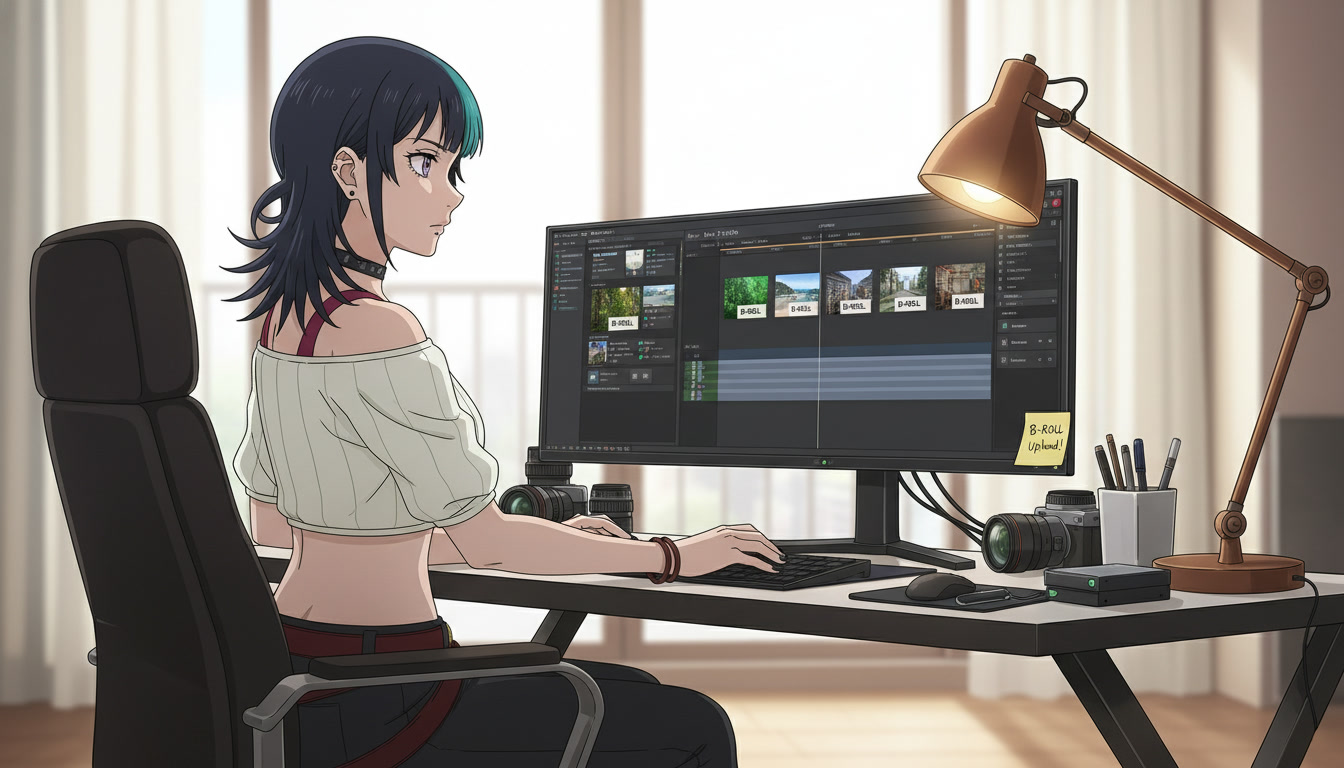
AI Anime B-Roll and Cutaways for YouTube Video Creators
Insert shots are not filler. They are the rhythm that makes your protagonist clips feel like a directed episode.
Plan AI anime B-roll and cutaways for YouTube Shorts: environment inserts, detail stills, and motion clips that bridge storyboard beats without breaking character or location continuity.
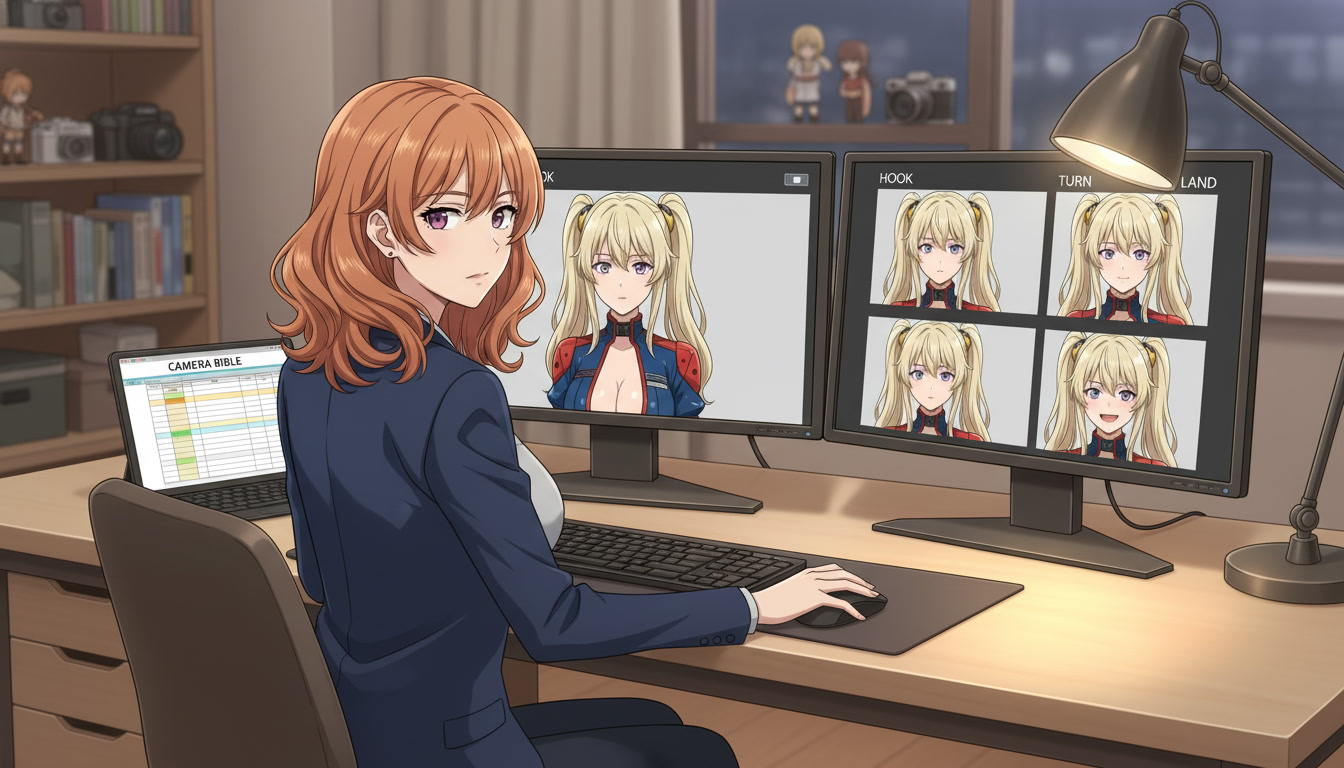
AI Anime Camera Bible for YouTube Video Creators
Hooks feel like a trailer and lands feel like a recap when framing is a mood, not a code. A camera bible is how serialized Shorts keep the same shot grammar beat to beat.
Build an AI anime camera bible for YouTube Shorts: name hook, turn, and land shot codes, tag panels before stills and Seedance motion, and stop accidental jump cuts between mismatched angles.
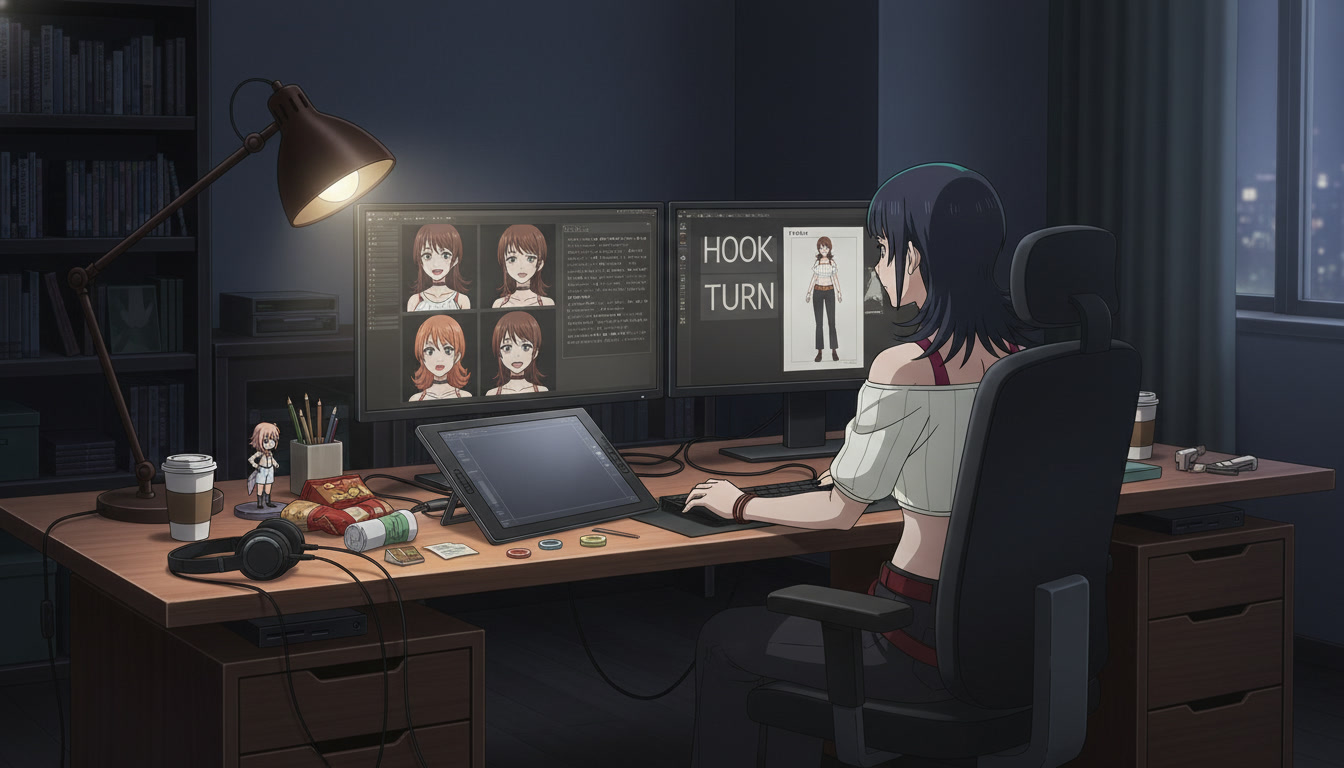
AI Anime Character Expression Sheets for YouTube Video Creators
Hooks fail when the face drifts. A small expression library is how serialized Shorts keep the same protagonist readable beat to beat.
Build AI anime character expression sheets for YouTube Shorts: neutral, shock, anger, and soft beats you reference in storyboard panels, stills, and Seedance motion so hooks match the land.
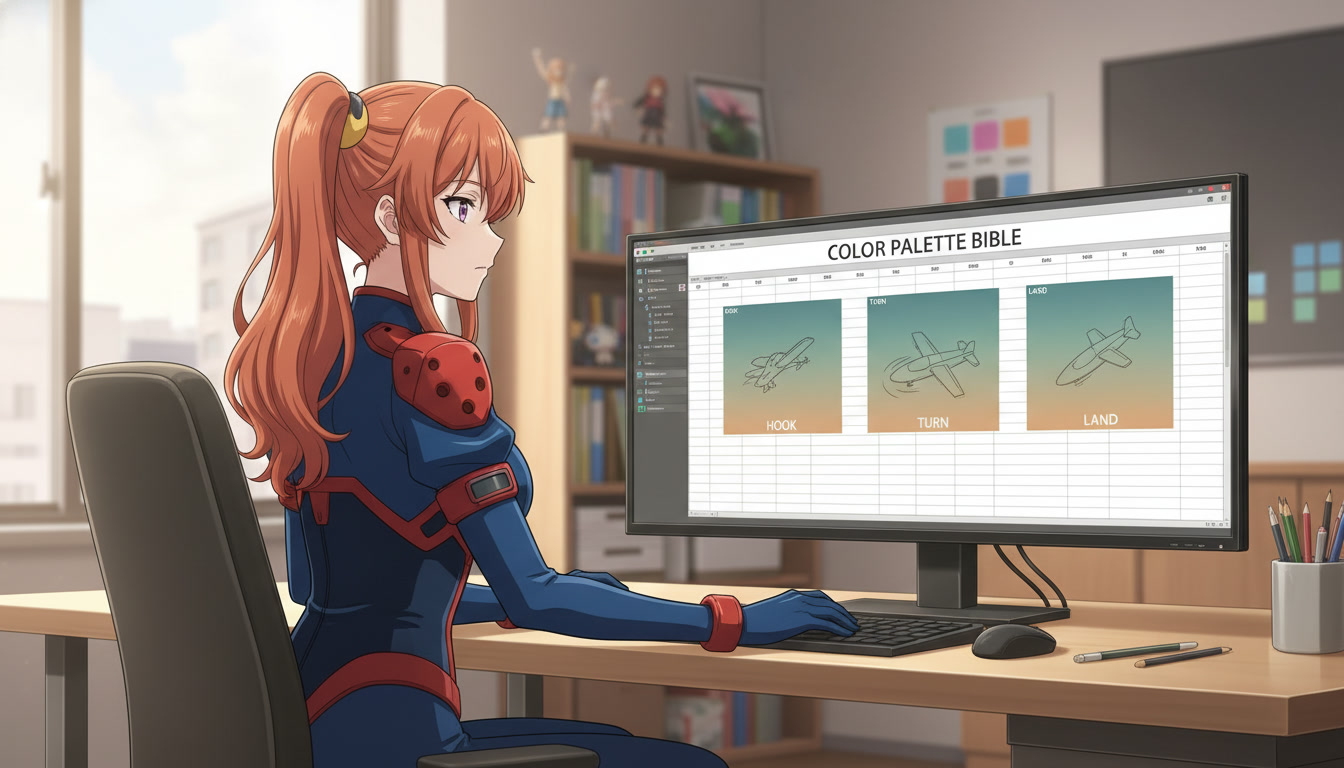
AI Anime Color Palette Bible for YouTube Video Creators
Hooks read teal and lands read magenta when palette is a mood, not a code. A color palette bible is how serialized Shorts keep the same grade beat to beat.
Build an AI anime color palette bible for YouTube Shorts: name hook, turn, and land palette codes, tag panels before stills and Seedance motion, and stop accidental hue jumps between beats.
Explore AutoWeeb
Jump into the tool that fits your creative step.
AI Anime Video Generator
Animate storyboard shots into cinematic clips with Seedance 2 and consistent characters.
Anime Character Creator
Design original characters with consistent sheets across every scene.
AI Anime Image Generator
Generate cinematic anime stills anchored to your character library.
Anime Filters
Upload any photo and apply AI anime filters to turn it into stunning anime art in seconds.
AI Anime Location Generator
Create a location set once, then generate reference images from every angle.
AI Anime Storyboarding
Describe your idea, pick your characters, and let AI draft the script and scenes.
AI Anime Prompt Agent
Turn a rough idea into a cinematic Seedance 2 prompt with the AI Director.