How to Keep Your Anime Protagonist Identical Across 12 Episodes
A single-cour season fails when episode seven looks like a recast. Lock the face, the nouns, and the motion chain before you publish week two.
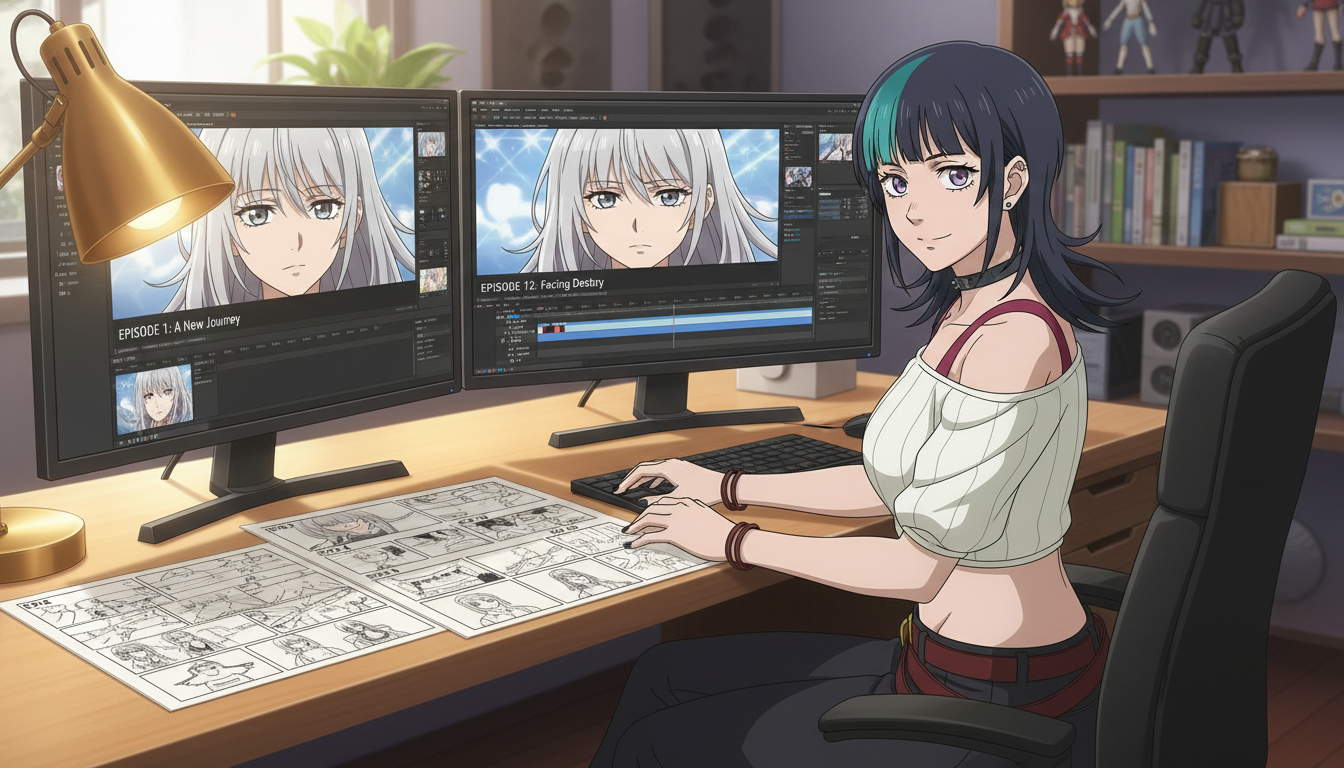
A single-cour anime season is twelve episodes. For an ai anime video channel, that might mean twelve Shorts, four chapter uploads, or a mix of both. The audience contract is the same as broadcast: the protagonist who hooks them in episode one must still be recognizable in episode twelve. When hair length shifts, eye color warms, or the jaw softens between uploads, retention drops faster than any algorithm change can explain.
Drift is not a model personality quirk. It is a workflow gap. Creators who treat each upload as a fresh prompt lottery get a new cast member every week. Creators who run a character bible, save the protagonist once in a library, and generate from locked nouns publish on schedule. This guide is for YouTube, TikTok, and Shorts builders who want a full twelve-beat arc without re-explaining who the main character is every time they open the AI anime video generator.
What "identical" means for AI anime video (and what it does not).
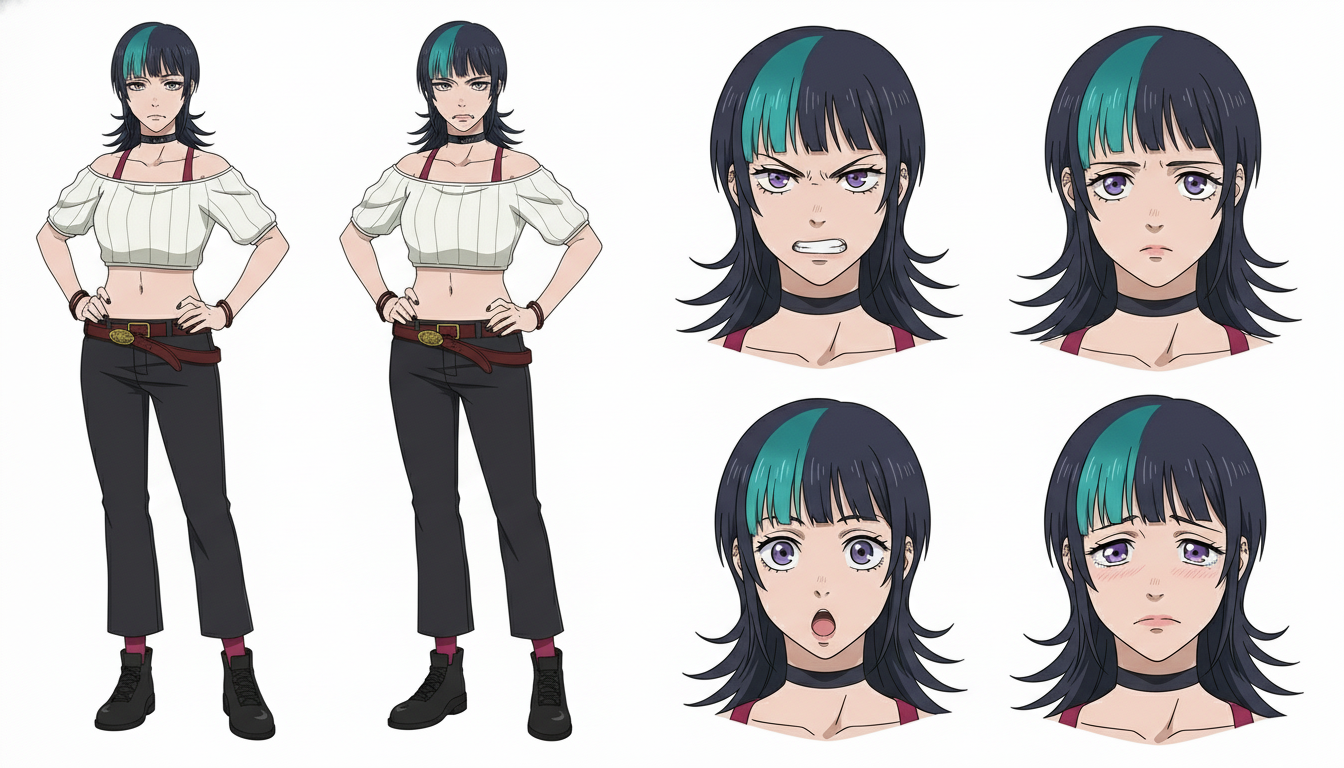
Identical does not mean frozen. Anime protagonists change expression, outfit, and lighting every scene. Identical means the face structure, hair silhouette, eye color, and one signature accessory stay stable enough that a returning viewer never pauses to ask if you recast. Think production model, not screenshot duplicate.
For video specifically, you are locking three layers:
- Design layer: hair length, eye color, skin tone, default outfit or signature item
- Prompt layer: the same capitalized name and noun phrases in every panel line
- Reference layer: saved character or still that motion generation inherits
Change the story wardrobe in episode five if the bible allows a turn coat tag. Do not change steel gray eyes to amber because the alley prompt felt warmer. That distinction is what separates serialized channels from demo accounts. Pair this doc with original character creations for video creators when you are still designing the lead.
Build a protagonist bible before episode two ships.
Episode one can be exploratory. Episode two cannot. Before you publish again, write a bible row your future self is not allowed to paraphrase:
- Name in caps: KIRARA (always that spelling, never "the girl")
- Hair lock: silver hair, shoulder length, single side braid
- Eye lock: steel gray eyes, narrow anime iris
- Signature item: red scarf, even indoors unless tagged WARDROBE_OFF
- Forbidden drift: no bob cut, no eye color shift, no age-up
Paste the same block into your LLM screenplay pass, your storyboard sheet, and the AI anime prompt agent header field. Paraphrasing is how episode seven invents a cousin. The bible is the contract. Expand wardrobe and expression rules using the AI anime wardrobe bible and character expression sheets guide so emotion changes without face changes.
Map twelve episodes to twelve repeatable beat types.
A twelve-episode season is not twelve random moods. It is a rhythm. Indie creators on YouTube often run three-beat Shorts as one episode cell: hook, turn, land. Multiply that across twelve uploads and you have a cour-shaped arc without a studio room.
A practical map:
- Episodes 1-3: establish normal world, protagonist want, visual palette
- Episodes 4-6: escalate conflict, introduce turn locations from your location bible
- Episodes 7-9: midpoint reversal, wardrobe tag allowed once if pre-planned
- Episodes 10-12: consequence, land, teaser for season two with same face
Each episode row in your sheet gets the same five columns you would use for screenplay formatting: heading, purpose, character line, action, camera. If you format scripts with LLMs first, reuse the template from from script to screenplay for AI anime video prompts. The protagonist line should be copy-paste identical except for the emotion note.
The still-to-motion chain that stops recast drift.
Video drift often starts when motion prompts re-describe the character from memory. The fix is a fixed chain every episode:
- Generate or select a still using the saved library protagonist
- Attach that still as the motion reference
- Limit motion to one verb from the action line
- Do not add a second character description in the motion pass
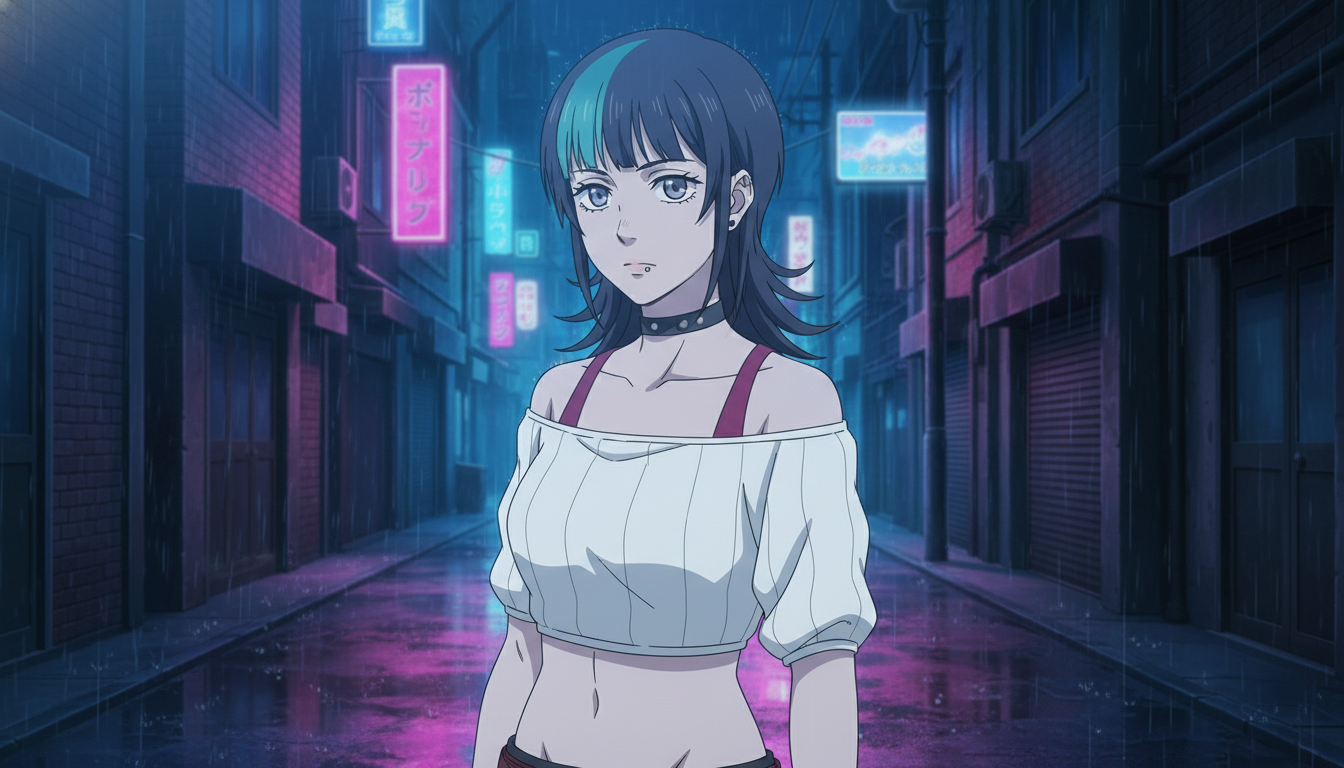
Example still line for episode 7: medium close-up, static camera, KIRARA with steel gray eyes and silver shoulder-length hair, red scarf, she stares at a torn letter in a neon alley puddle, INT alley night, cool blue grade. Motion follow-up: rain ripples in the puddle, letter edge lifts slightly, camera locked. No new hair adjectives in step two. Motion discipline is covered in how to write prompts for Seedance 2 anime videos.
Weekly QA: catch drift before the audience does.
Before you schedule episode N, line up thumbnails from episodes 1, N-1, and N in one row. Ask three questions:
- Would a viewer name this as the same person without reading the title?
- Did any prompt line introduce a synonym (ash blonde instead of silver hair)?
- Did motion generation run without the reference still attached?
If the answer fails, fix the bible row before you fix the model. Regenerating with a longer prompt usually makes drift worse. Shorter prompts with locked nouns and library references beat creative thesaurus swaps. For edit-stage fixes when two clips are close but not matching, see editing AI anime video for YouTube creators.
When you are allowed to change the protagonist (and how to tag it).
Twelve episodes still need story motion. Planned changes should be tagged in the bible, not smuggled in prompts:
- WARDROBE_TURN: one outfit swap at midpoint, scarf color may change, face lock unchanged
- INJURY_EP: bandage on left cheek episodes 9-11, healed by finale
- TIME_SKIP_S2: reserved for season two opener, never mid-cour without on-screen label
Tag the episode sheet so your LLM and your editor know the change is canon. Untagged drift reads as sloppy continuity. Tagged change reads as story. That is the same rule live-action showrunners use; AI video channels inherit it whether they shoot on a lot or in a generator.
Frequently asked questions about protagonist consistency across twelve episodes.
Can I keep consistency without redrawing the character every week?
Yes. Save the protagonist once in AutoWeeb's character library and reference that ID on every still. The library is the anchor; prompts only add scene and emotion. You are not rebuilding the design each upload, you are placing the same design in new verbs and locations.
How many characters can a twelve-episode season support?
For a first cour, cap speaking cast at three locked designs: protagonist, rival or ally, one recurring background anchor. Every new face is a new drift surface. AutoWeeb handles ensembles, but serialized YouTube growth usually comes from one face viewers bookmark.
Does AutoWeeb replace a character bible spreadsheet?
No. AutoWeeb executes the bible: saved characters, storyboard rows, still-to-motion handoff. The spreadsheet (or screenplay doc) is still where you forbid drift and tag planned wardrobe turns. Think of AutoWeeb as the production floor and the bible as the spec sheet.
What if episode four already drifted?
Do not silently continue. Pick the thumbnail that best matches episode one, update the bible row to match that still, and regenerate forward from episode four as a soft reboot. Pin a community post if you are transparent with the audience. Channels recover from labeled resets; they rarely recover from twelve episodes of different leads.
Should thumbnails use the same still as the video?
Prefer yes. Thumbnail face mismatch is the fastest way to break trust even when the clip is correct. Export a hero frame from the approved still or clip and reuse it in the thumbnail layer. The AI anime YouTube thumbnails guide covers framing without changing the protagonist nouns.
Is twelve episodes the right length for an AI anime channel?
Twelve beats match a single-cour rhythm viewers already understand from streaming catalogs. You can ship them as Shorts, chapters, or a playlist arc. The number matters less than the face staying constant across the arc. Season two can expand cast; season one should win recognition on one protagonist.
Twelve episodes is a promise: same world, same lead, new situation each week. Lock the protagonist in text and in the library, run the still-to-motion chain without re-describing hair in motion prompts, and QA thumbnails before you schedule. When the cour architecture is set, continue with creating an AI anime YouTube channel and storyboarding AI anime for YouTube creators for the upload rhythm around the locked face.
Related Blog Posts
AI Anime B-Roll and Cutaways for YouTube Video Creators
Insert shots are not filler. They are the rhythm that makes your protagonist clips feel like a directed episode.
Plan AI anime B-roll and cutaways for YouTube Shorts: environment inserts, detail stills, and motion clips that bridge storyboard beats without breaking character or location continuity.
AI Anime Camera Bible for YouTube Video Creators
Hooks feel like a trailer and lands feel like a recap when framing is a mood, not a code. A camera bible is how serialized Shorts keep the same shot grammar beat to beat.
Build an AI anime camera bible for YouTube Shorts: name hook, turn, and land shot codes, tag panels before stills and Seedance motion, and stop accidental jump cuts between mismatched angles.
AI Anime Character Expression Sheets for YouTube Video Creators
Hooks fail when the face drifts. A small expression library is how serialized Shorts keep the same protagonist readable beat to beat.
Build AI anime character expression sheets for YouTube Shorts: neutral, shock, anger, and soft beats you reference in storyboard panels, stills, and Seedance motion so hooks match the land.
AI Anime Color Palette Bible for YouTube Video Creators
Hooks read teal and lands read magenta when palette is a mood, not a code. A color palette bible is how serialized Shorts keep the same grade beat to beat.
Build an AI anime color palette bible for YouTube Shorts: name hook, turn, and land palette codes, tag panels before stills and Seedance motion, and stop accidental hue jumps between beats.
Explore AutoWeeb
Jump into the tool that fits your creative step.
AI Anime Video Generator
Animate storyboard shots into cinematic clips with Seedance 2 and consistent characters.
Anime Character Creator
Design original characters with consistent sheets across every scene.
AI Anime Image Generator
Generate cinematic anime stills anchored to your character library.
Anime Filters
Upload any photo and apply AI anime filters to turn it into stunning anime art in seconds.
AI Anime Location Generator
Create a location set once, then generate reference images from every angle.
AI Anime Storyboarding
Describe your idea, pick your characters, and let AI draft the script and scenes.
AI Anime Prompt Agent
Turn a rough idea into a cinematic Seedance 2 prompt with the AI Director.