AI Anime Two-Character Scenes for YouTube Video Creators
Rivals and partners need two saved faces, one framing rule, and motion that does not merge them into one person.
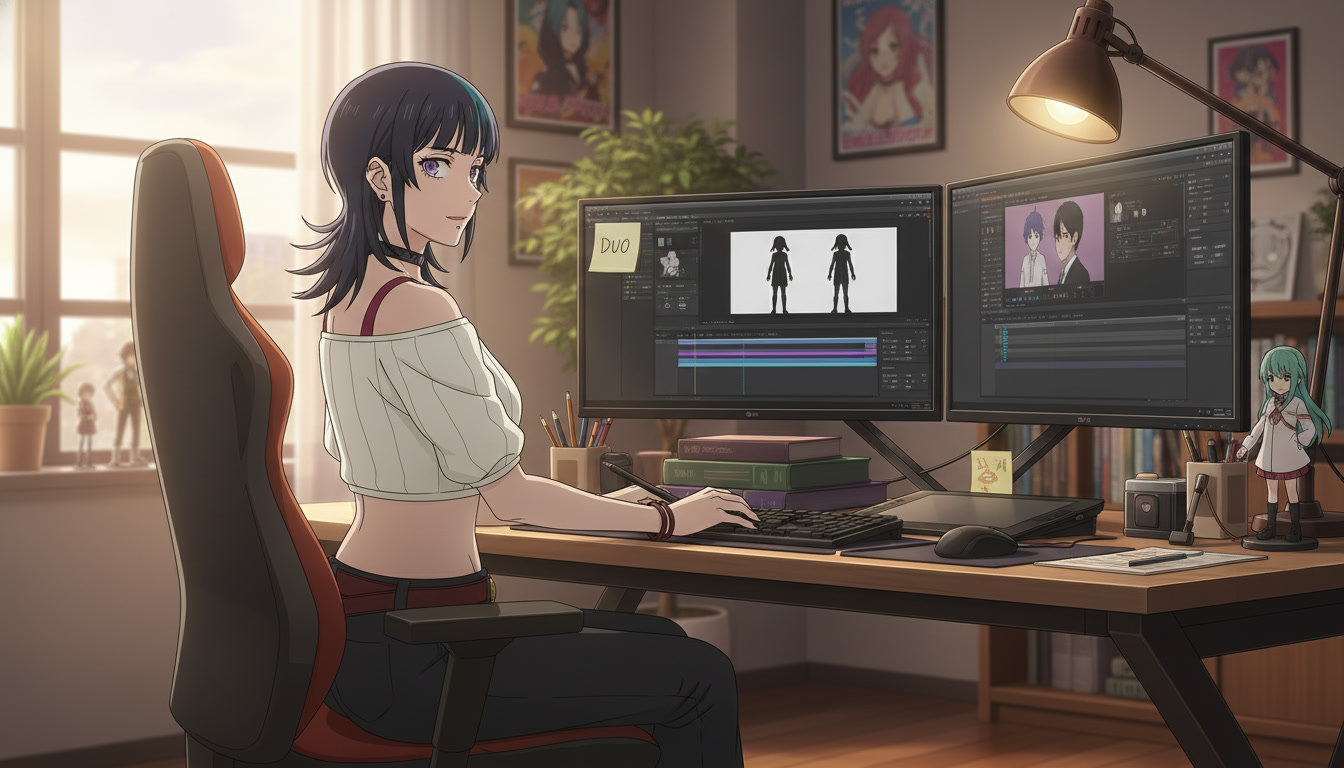
AI anime two-character scenes are where serialized ai anime video channels either level up or collapse into mush. You locked the protagonist in week two. Week nine needs a rival on the same rooftop, a partner at the festival stall, or a mentor in the doorway, and the anime video generator returns one face with two hair colors or a crowd that swallowed both silhouettes. Video creators on YouTube and Shorts are not failing at drama. They are failing at production discipline for pairs: two saved characters, one readable frame, one action split across two bodies.
This guide is for creators who already run three-beat Shorts and separate still from motion passes. You will cast a second recurring character, storyboard duo beats without overloading Seedance, and edit A/B inserts when a true two-shot is not worth the generation cost. If your protagonist still drifts solo, read original character creations for video creators first. Pairs are the next cast tier.
When a Short actually needs two characters on screen.
Not every upload needs a duo. Solo hooks win discovery; duos win serialization. Subscribers return when relationships move: rivalry acknowledged, partner noticed, mentor lied. If beat two is only "someone else exists," you can stay on a solo reaction insert and cut to a second clip. If beat two is "they face each other," you owe a two-character still before motion.
Use this decision tree before you open any generator:
- Solo plus cutaway: Protagonist close-up, then rival in a separate wide. Cheaper, easier to grade match in edit.
- True two-shot: Both faces visible in one frame. Required for confessions, standoffs, synchronized nods.
- Over-shoulder: One face dominant, second in partial profile. Good for dialogue without full ensemble load.
Storyboard the tier on the panel line. Pre-production habits in storyboarding AI anime pre-production already separate Purpose from Action; add a fourth tag: cast: solo | duo | OTS. That tag decides whether Tuesday is a pack duo session or a solo batch with an insert.
Casting the second face: rival, partner, and mentor tiers.
Your second character is a production asset, not a one-off prompt paragraph. Create and save them in the anime character creator with a distinct silhouette from the protagonist: different hair mass, coat length, or accent color. Viewers recognize pairs by contrast, not by both being "pretty anime person."
Rival tier: Appears in challenge arcs. Sharper outfit edges, colder rim light in your bible notes. Motion stays one action total: step forward, hand on hilt, turn away.
Partner tier: Appears in emotional beats. Softer palette, closer default framing. Motion favors micro-actions: glance, half-step closer, shared pause.
Mentor tier: Rare doorway or rooftop appearances. Often over-shoulder or silhouette until the reveal episode. Do not burn full two-shots every week or the mentor stops feeling special.
Document both names in the same series bible row you use for locations in AI anime location bible for video creators. Example bible line:
Cast: Mira (protagonist, copper hair, indigo streetwear) + Ren (rival, silver undercut, charcoal coat) | default duo framing: medium two-shot, rain rooftop | forbidden: third person enters frame
Still passes: photo packs, scene builders, and prompts that keep two faces.
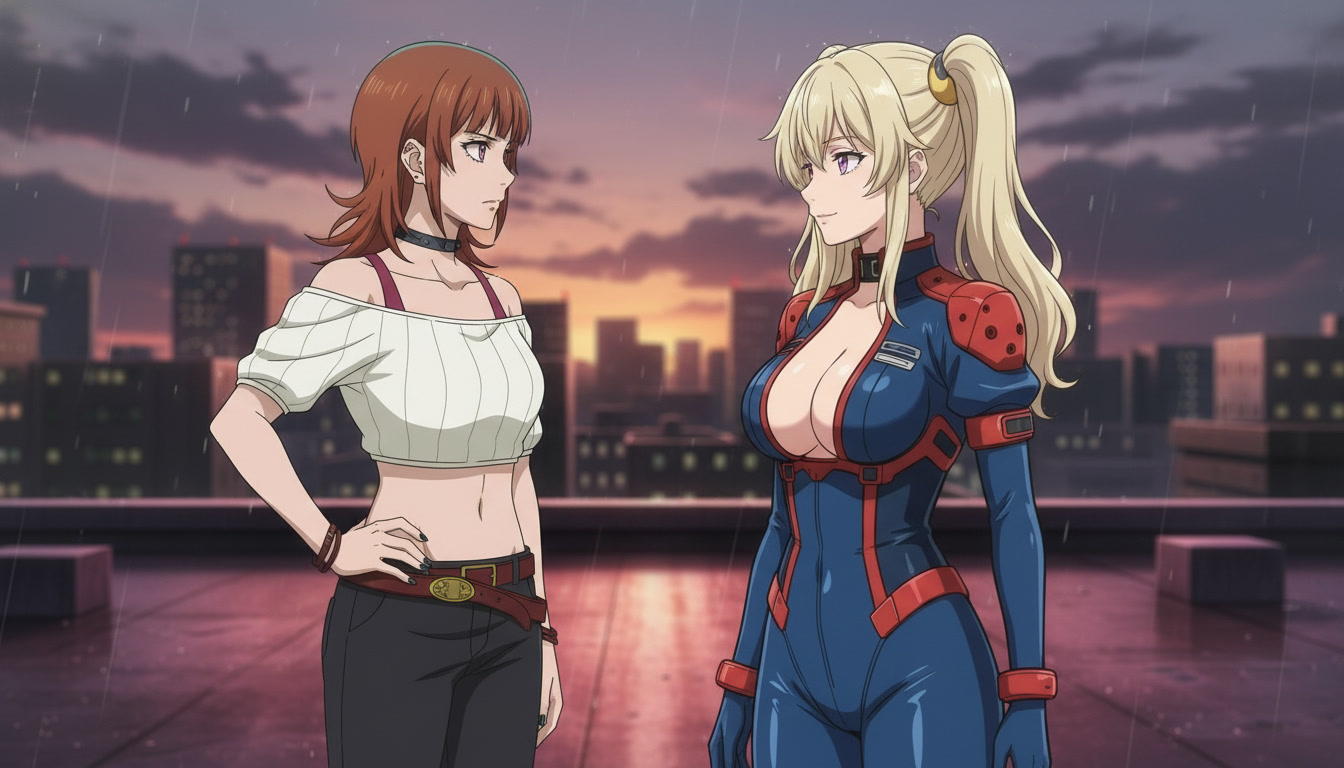
Still generation is where duos succeed or merge. Reference both saved character IDs when the tool allows. When you need a fast festival or city beat, open photo packs that support two character sheets in one scene. Log pack name and frame in your bible so episode fifteen does not invent a new alley geometry.
For recurring home bases, rebuild the duo in the scene builder panorama you already use for solo episodes. Same save name, two characters placed before export. Scene stills feed motion the same way as solo workflow in video and scene generation for YouTube creators, but your prompt stub must name position, not vibe.
Example still prompt stub for a true two-shot:
Medium two-shot, rain rooftop at dusk, copper-haired heroine left third, silver-haired rival right third, both faces fully visible, wet asphalt, magenta city glow, cinematic anime still, no crowd, no third character.
Example over-shoulder stub when a full two-shot failed twice:
Over-shoulder from behind heroine toward rival, rival face readable, rooftop rain, same magenta glow, single opponent only.
Reject any still where chins overlap, hair blends into one mass, or a background figure looks like a third protagonist. Regenerate stills before Seedance. Motion cannot un-merge faces.
Motion prompts: one action, two bodies, no choreography essays.
Two-character motion fails when prompts read like fight storyboards. Seedance and similar models handle one clear action across the frame better than a six-beat exchange. Assign the action to one body when possible; the other reacts with stillness or a single micro-move.
Good duo motion add-on after a locked rooftop still:
Slow push-in, rain continues, rival takes one step forward and stops, heroine does not move, same two faces, same rooftop, no new characters.
Risky duo motion that causes merge or crowd spawn:
They trade rapid punches while the camera orbits and friends cheer from the sides.
For dialogue-heavy beats, prefer two solo clips edited as shot-reverse-shot. Hooks in AI anime video hooks for YouTube Shorts often stay solo; save true duos for turn and land panels where relationship shift is the point. Prompt discipline for motion layers overlaps with Seedance 2 anime video prompts: geography and cast count stay inherited from the still.
Editing duos: shot-reverse-shot, match cuts, and thumbnail honesty.
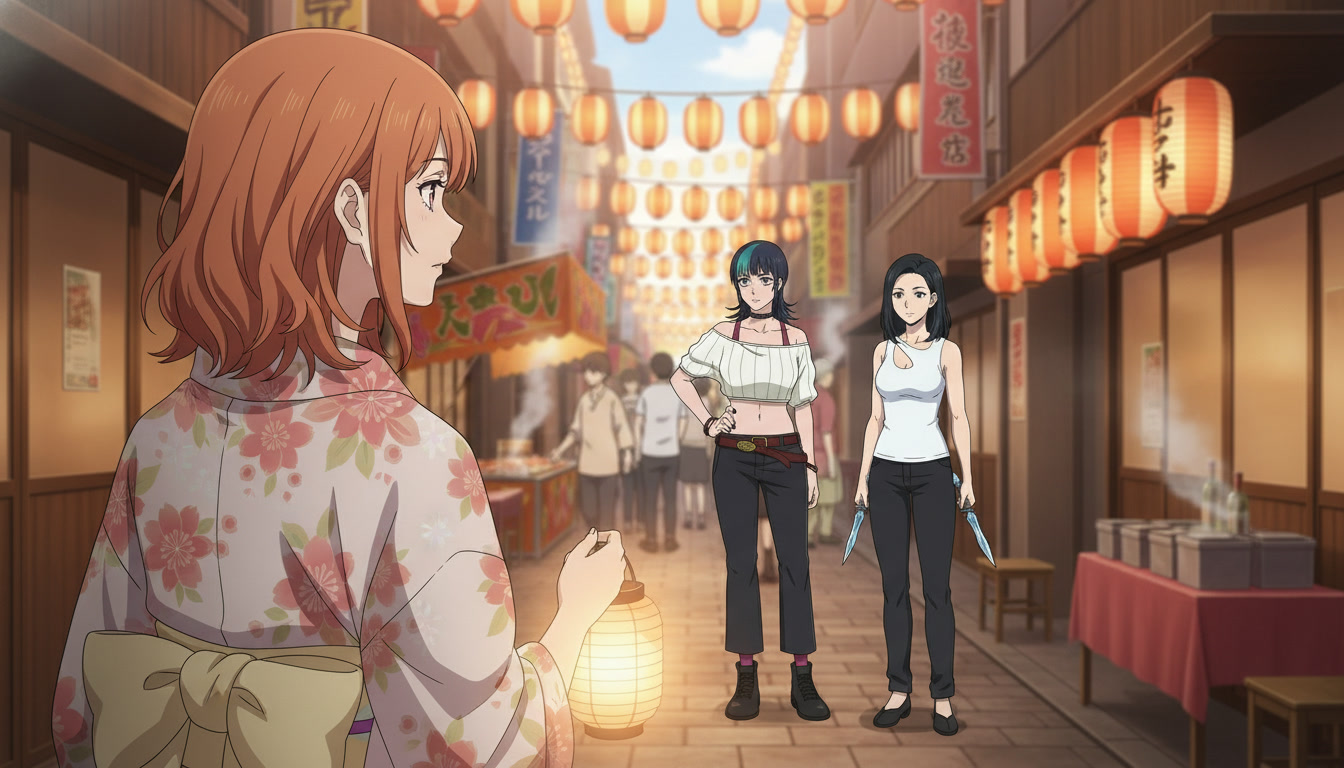
When a true two-shot costs too many generations, edit like anime TV: solo A, solo B, match on eyeline. Import clips with cast tags ("ep09_ren_react", "ep09_mira_react"). Cut on blink or rain hit so the seam feels intentional. This is the same structural editing mindset as editing AI anime video for YouTube creators, applied to relationship beats.
Thumbnails for duo episodes must show the relationship the Short delivers. If the title promises a rooftop standoff, the tile needs two readable faces or one face plus a unmistakable rival silhouette. Thumbnail-first planning in AI anime YouTube thumbnails for video creators applies doubled: do not crop a merged blob and hope contrast saves retention.
Weekly batch tip: duo day is not every day. Block one session for second-character expressions and duo stills, keep solo hook batches on other days. Channels outlined in creating an AI anime YouTube channel grow when subscribers recognize both silhouettes in the feed, not when every Short fights the model for a crowd scene.
Two-character scenes are cast management, not luck. Save both faces, tag duo tiers on the board, reject merged stills, and motion one action across two bodies. When geography must stay as consistent as faces, pair this workflow with the location bible guide and keep publishing rhythm steady with scene and motion generation for YouTube creators.
Related Blog Posts
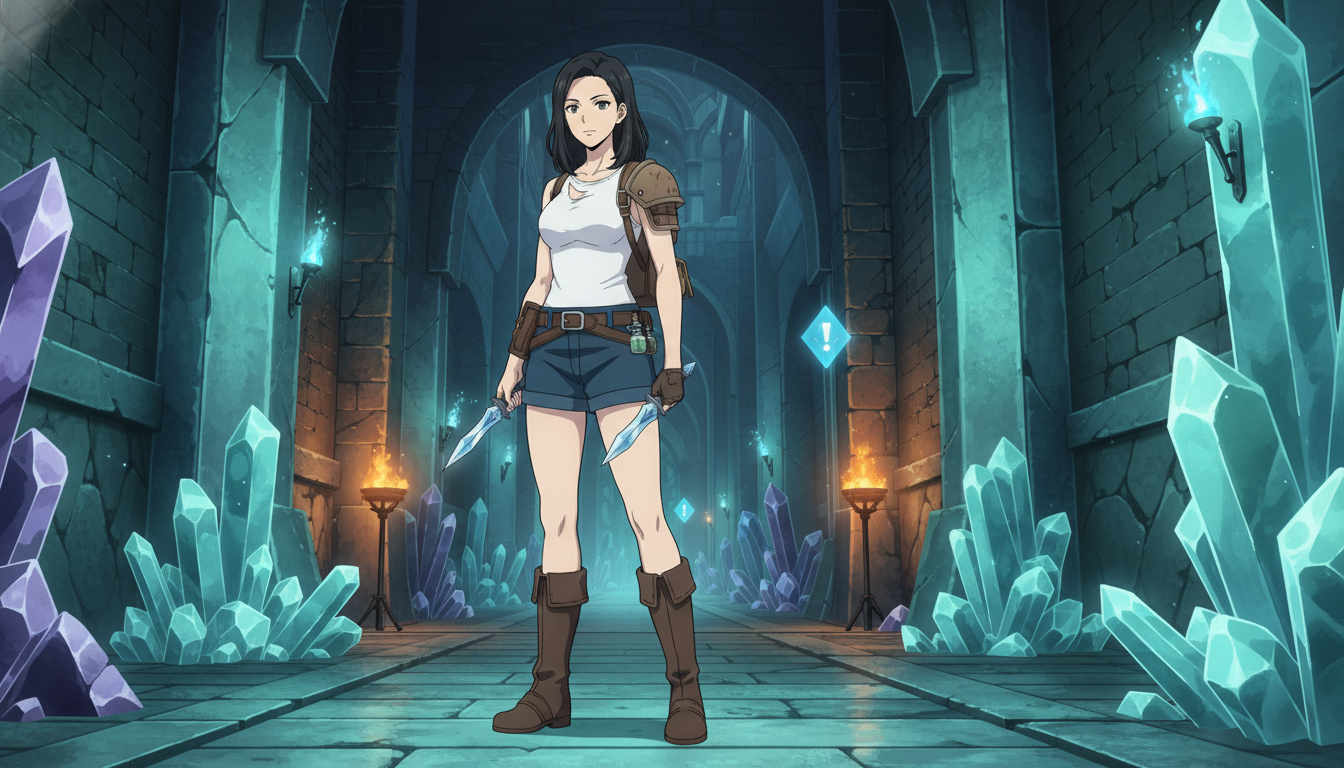
How to Turn Video Game Aesthetics Into Anime Videos for YouTube
RPG dungeons, boss arenas, and creator setups — a workflow for game-adjacent anime Shorts without copying IP
Learn how to turn video game aesthetics into AI anime videos for YouTube. Build original characters, prompt RPG scenes, and animate clips with Seedance 2 on AutoWeeb.
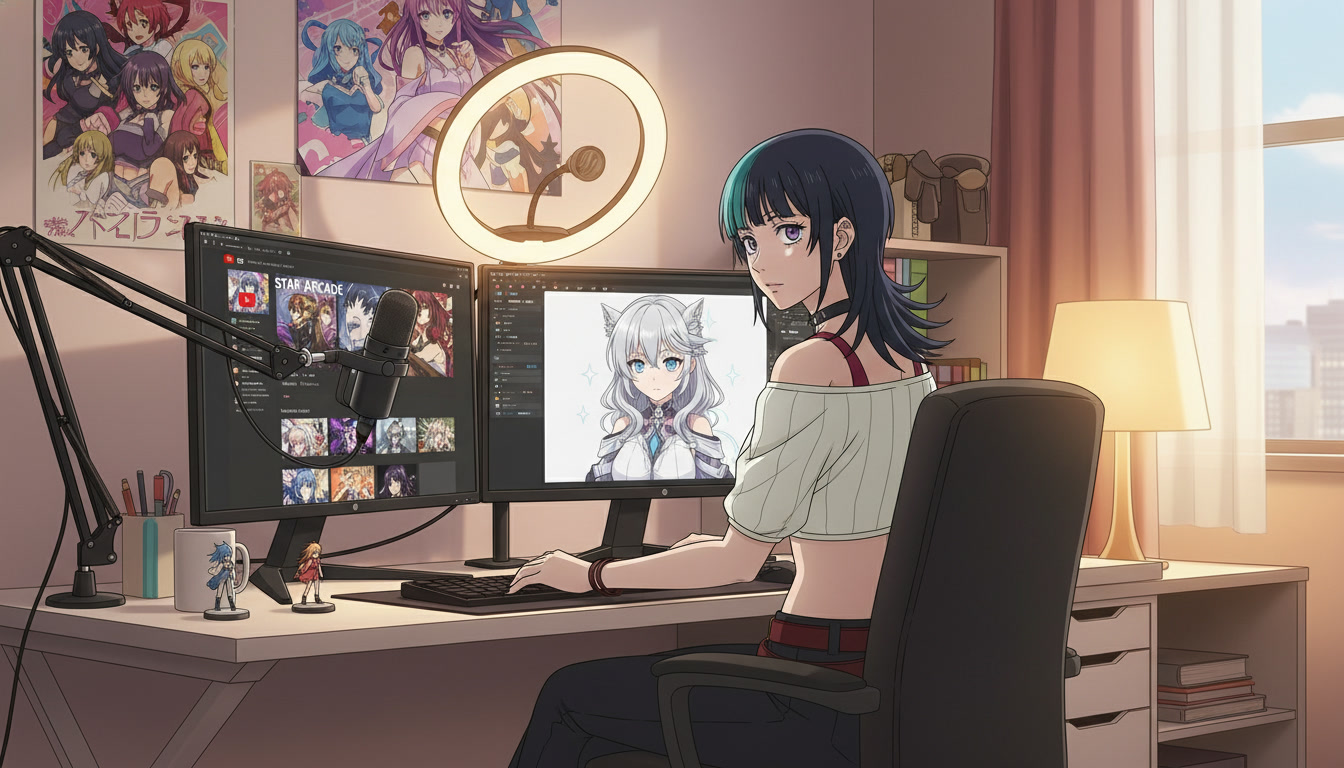
Creating an AI Anime YouTube Channel: From First Character to Published Shorts
A channel is not a folder of clips — it is a protagonist, a rhythm, and a reason to come back next week.
Learn how to create an AI anime YouTube channel with consistent characters, Shorts-ready clips, and a repeatable upload workflow using AutoWeeb and Seedance 2.
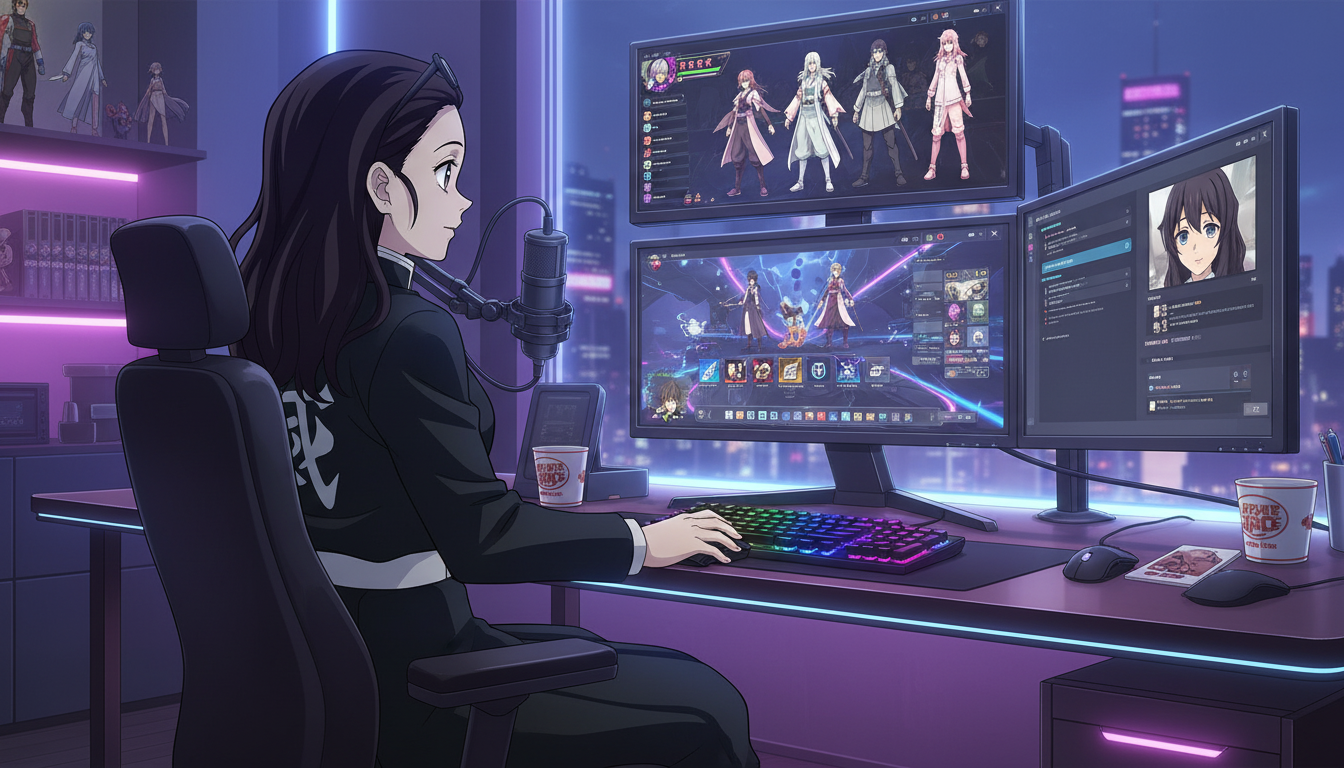
How to Turn Video Game Characters Into Anime Videos for YouTube
Gaming channels already have the stories — anime-style video is how you make them look like a show instead of a screenshot montage.
Turn video game characters into anime videos for YouTube. A workflow for gaming creators: OC design, scene prompts, Seedance 2 clips, and Shorts-ready pacing.
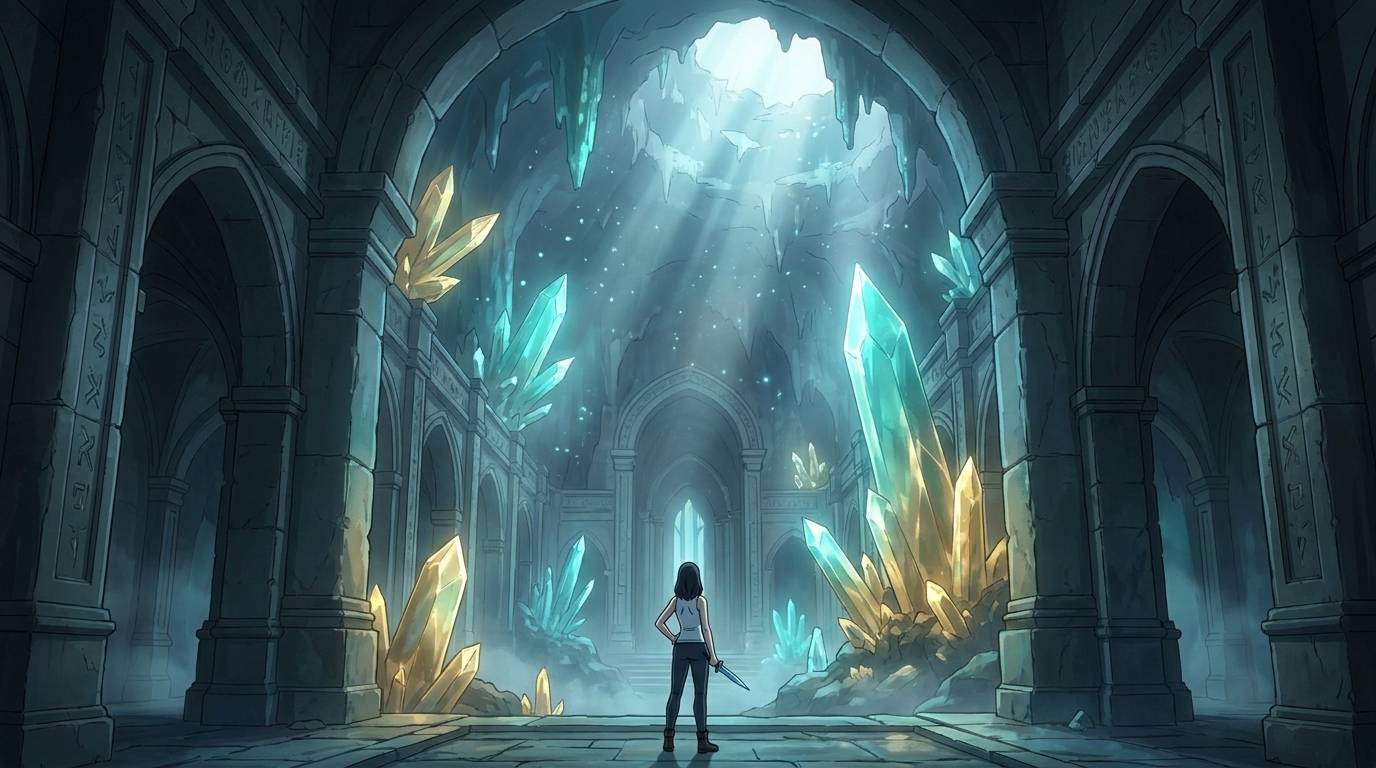
Storytelling and Worldbuilding in AI Anime: How to Build Worlds That Feel Real
From establishing the visual logic of a world to building characters with history — how to use AI anime to create stories that live beyond a single image.
Learn how to use AI anime generation for storytelling and worldbuilding — covering environment design, character consistency, narrative sequencing, and the visual grammar that makes worlds feel lived-in.
Explore AutoWeeb
Jump into the tool that fits your creative step.
AI Anime Video Generator
Animate storyboard shots into cinematic clips with Seedance 2 and consistent characters.
Anime Character Creator
Design original characters with consistent sheets across every scene.
AI Anime Image Generator
Generate cinematic anime stills anchored to your character library.
Anime Filters
Upload any photo and apply AI anime filters to turn it into stunning anime art in seconds.
AI Anime Location Generator
Create a location set once, then generate reference images from every angle.
AI Anime Storyboarding
Describe your idea, pick your characters, and let AI draft the script and scenes.
AI Anime Prompt Agent
Turn a rough idea into a cinematic Seedance 2 prompt with the AI Director.