AutoWeeb vs Kling AI: Which Platform Creates Better Anime Videos?
Kling AI generates impressive standalone clips. AutoWeeb is the platform built for anime creators making stories with recurring characters.
Kling AI is one of the most capable text-to-video generators available right now. If your goal is a single striking clip — a character walking through a neon-lit alley, a dramatic fight moment, a slice of atmospheric anime ambiance — Kling can deliver results that genuinely impress. That is a real capability, and it deserves honest acknowledgment.
But anime is not a collection of standalone clips. It is a story, told through recurring characters who carry visual identity and emotional continuity from scene one through the finale. That requires something different from raw video generation quality. It requires a platform that thinks about characters the same way anime production does: as persistent visual identities that must hold together across every shot. That is where this comparison becomes meaningful — and where the two platforms diverge sharply.
What Kling AI Is
Kling AI is a video generation platform developed by Kuaishou Technology, a Chinese tech company with deep investment in short-form video infrastructure. Kling's core product is text-to-video and image-to-video generation, with a focus on fluid motion, physical plausibility, and high visual fidelity. It has received significant attention in the AI video space for its generation quality — particularly for realistic human motion and cinematic camera movement — and has gone through several model versions since its initial release, with each iteration improving motion coherence and prompt adherence.
Kling operates as a standalone video generation tool. You provide a text prompt or a reference image, configure some generation settings, and receive a video clip. The platform supports standard cinematic camera movements, allows reference image uploads to guide generation, and has introduced a character consistency feature intended to carry a subject's appearance across multiple clips.
Kling AI's Strengths for Video Generation
Kling's generation quality for motion is genuinely strong. The model handles physically plausible movement — a character's hair responding to wind, fabric moving naturally during a walk cycle, dynamic action with readable impact — better than many alternatives in its price range. For creators who need a single high-quality video clip from a prompt or reference image, Kling can produce results that require minimal iteration.
The image-to-video capability is a particular strength. Feed Kling a well-composed reference image and a motion prompt, and it often produces a clip that faithfully extends the image into movement. For anime creators who have already generated a strong image frame and want to add motion to it, Kling's image-to-video pipeline is fast and reliable for that isolated task.
Kling also supports relatively long clip generation — up to several seconds of fluid motion — which places it ahead of some competitors that produce only short bursts. For high-impact standalone clips, it is a capable tool.
Where Kling AI Falls Short for Anime Creators
The long-form storytelling problem
Kling AI has no story infrastructure. There is no script tool, no storyboard system, no scene planning interface, and no mechanism for organizing a multi-scene project. Each clip is generated independently, which means every time you start a new clip, you are starting from scratch. For an anime story with fifteen scenes and a protagonist who changes emotionally across the arc, this is not a workflow — it is a series of isolated generation tasks that you are manually trying to hold together.
The gap shows quickly. In scene two, your protagonist has violet-silver hair and steel-gray eyes in a fitted navy uniform. By scene seven, she looks close — but the hair is a slightly different shade, the eyes have shifted, the collar is wrong. By scene twelve, you are looking at someone who resembles your character rather than being her. Kling did not break anything; the model simply does not have persistent knowledge of your character. It regenerates her from your prompt each time, and prompts are not precise enough to preserve the specific visual identity that makes an anime character recognizable.
Character consistency for anime original characters
Kling's character consistency feature is designed around photorealistic human subjects. The consistency system works by extracting and preserving the visual signature of a real person: natural skin tone, facial geometry, realistic proportions, photographic detail. Anime original characters are built from a different set of visual anchors. The precise color of a protagonist's eyes — not "blue" but the specific cobalt-and-silver that marks her as the reincarnation arc's chosen one — is not something a photorealism-trained consistency model was built to preserve.
In practice, anime OCs generated through Kling's consistency system drift. Hair colors shift between clips. Eye shapes change. Outfit details wander. The model is doing its best with tools designed for a different problem. The drift is not catastrophic for a single clip used in isolation, but for an anime story where the audience needs to recognize the same character across every scene, it is a structural failure that no amount of prompt refinement can fully fix.
Why anime creators need consistency above all else
Anime character recognition is built on visual precision. The specific shade of a character's hair, the shape of her eyes, the silhouette of her costume — these are not aesthetic choices. They are the visual vocabulary the audience uses to follow the story. When those details drift, the story breaks. Viewers stop following the narrative and start asking whether they are looking at the same character. That cognitive friction is fatal to emotional investment, which is the entire point of anime storytelling.
This is why anime production — even traditional production — treats character design as a pre-production document: a character sheet that every animator references to ensure the protagonist looks identical in episode one and episode twenty-six. An AI platform that cannot replicate this function is not a story-building tool. It is a clip generator. Both are useful. Only one is suited for making anime.
AutoWeeb's Anime-First Approach
Character sheets: the foundation of visual consistency
AutoWeeb's workflow begins with the character sheet — a dedicated system for defining and saving the complete visual identity of an anime character. Hair color with specific tonal description, eye shape and color, outfit details, distinguishing marks, body type, and the aesthetic register that places the character in their genre. Once saved, the character sheet becomes a persistent reference that every subsequent generation draws from automatically. You define your protagonist once. The platform uses that definition every time she appears.
This is the mechanism that makes multi-scene anime production possible. When you move from scene three to scene eleven, your protagonist's violet-silver hair and steel-gray eyes are not re-derived from a prompt — they are loaded from the saved reference. The visual identity is anchored at the platform level, not dependent on your ability to write an identical prompt twice. The guide on creating your first AI anime story step-by-step walks through the full character sheet setup process.
Storyboard workflows built for anime production
AutoWeeb's storyboard is not a mood board or a rough sketch tool. It is a production document. Each scene in the storyboard has dedicated fields for location, time of day, emotional tone, and the specific action being depicted. Shots within a scene are organized as sub-panels with camera angle and character positioning planned before any generation happens. When you move from planning to generation, you are executing a plan you have already made — not reconstructing context from memory each time.
The storyboard also connects directly to the character library. When you add a character to a scene panel, you tag them from your saved character sheets rather than describing them from scratch. The panel knows who is in it, which means the generation system knows who is in it. The storyboard is the connective tissue between your characters and your story, and it holds together across an entire project, not just a single clip.
Scene planning and shot organization
An anime episode is made of dozens of discrete shots that need visual and emotional coherence. AutoWeeb's scene planning system forces you to think through the visual logic of each shot before spending credits on generation: what is the camera angle, where is each character positioned, what is the emotional beat this shot needs to carry, how does it flow from the shot before it. This is not bureaucracy — it is the reason the resulting video holds together as a story rather than a series of unrelated clips.
Shot organization inside AutoWeeb saves the planning work inside the project. Return to a storyboard a week later and the context is still there: the scene notes, the character tags, the shot descriptions. Nothing needs to be rebuilt. For anime creators working on projects that span multiple sessions, this continuity is not a convenience feature. It is the difference between a project that survives and one that loses coherence every time you return to it.
Anime-specific generation tools
AutoWeeb's generation system is trained for anime, not repurposed from a general-purpose video model. The platform includes a curated anime art style library: Shonen action styles with the high-contrast linework and dynamic energy of a tournament arc; Slice-of-Life palettes with the soft light and quiet warmth of an after-school scene; Seinen aesthetics with the detailed environments and restrained color temperature of a psychological thriller. You select a style as a foundation and build from there, rather than fighting a cinematic realism model into producing anime-looking output.
The image-to-video pipeline is a two-stage system: generate and approve the composition as an image first, then convert the approved image to video. Because the composition, character positioning, and lighting are locked in the image before the video stage begins, the resulting animation starts from a frame that is already correct. The guide on turning an anime image into a video with AI covers every stage of this pipeline and explains why the two-stage approach produces more consistent anime animation than direct text-to-video prompting.
Feature Comparison
| Feature | AutoWeeb | Kling AI |
|---|---|---|
| Anime-specific art styles | Yes — curated anime style library | No — general-purpose video model |
| Character sheet system | Yes — save and reuse across all scenes | No |
| Character consistency for anime OCs | Yes — reference anchoring across every scene | Partial — designed for realistic human subjects |
| Storyboard tool | Yes — anime-native scene and shot planning | No |
| Character tagging in storyboard | Yes — tag saved characters into any panel | No |
| AI script generation | Yes — anime story structures supported | No |
| Image-to-video pipeline | Yes — two-stage anime workflow | Yes — strong motion quality |
| Standalone video clip quality | Good — optimized for anime | Very good — strong motion fidelity |
| Multi-scene project workspace | Yes — full project context saved | No |
| Photo-to-anime conversion | Yes — dedicated workflow | No |
| Multi-character scene support | Yes — tag multiple characters per panel | Limited |
| Starting price | $9.99/month | ~$8–$22/month depending on tier |
Pricing Comparison
Kling AI's pricing varies by tier, with plans ranging from a limited free option to paid tiers starting around $8–$10 per month for basic access and climbing to $22 or more per month for higher-volume generation. The credit system means that heavy users of video generation can burn through monthly allocations quickly — especially during the iteration phase where you are generating multiple versions of the same clip to find the right motion.
AutoWeeb's paid plans start at $9.99 per month, with a free trial that includes access to character creation, storyboarding, image generation, and video generation inside a single workspace. At a comparable price point, AutoWeeb includes the full story production workflow — character sheets, storyboard, scene planning, image generation, and video — rather than video generation alone. For individual anime creators, the value comparison is not close: AutoWeeb gives you the complete toolkit at the entry-level price, while Kling gives you a single powerful tool at a similar cost.
The guide on writing better AI anime prompts and stopping wasted credits covers how to get more out of every generation credit regardless of which platform you are using.
Use Cases: Which Platform Fits Your Goals
Choose AutoWeeb if you are:
- Building an anime story with recurring characters who must look consistent across multiple scenes
- Creating an original anime series, short film, or episodic content with a defined cast
- Working through a complete production pipeline: character design, script, storyboard, image, video — all in one platform
- Converting real photos into storable anime character references for your cast
- Wanting a curated anime art style library as a generation foundation, not a general-purpose model
- A solo creator who needs a complete anime production workflow at an accessible price point
- Planning and organizing a multi-scene project that needs to hold together across multiple sessions
Choose Kling AI if you are:
- Creating high-quality standalone video clips for social media, portfolio, or short-form content
- Looking for strong image-to-video conversion with fluid, physically plausible motion for one-off clips
- Working on general-purpose video generation that is not tied to anime character consistency requirements
- Already have finished images and need a dedicated tool to convert them to video — and do not need story infrastructure around that task
Pros and Cons
AutoWeeb
Pros:
- Character sheet system anchors visual identity across every scene in a project
- Anime-native storyboard connects planning to generation inside a single workspace
- Curated anime art style library — no need to fight a cinematic realism model
- Complete story pipeline: character, script, storyboard, image, video, all in one platform
- Character tagging means characters never need to be redescribed from scratch
- Photo-to-anime conversion for building a cast from real references
- Accessible pricing with the full workflow at entry level
Cons:
- Not optimized for photorealistic or cinematic video outside the anime aesthetic
- The full workflow has more steps than a direct text-to-video tool — intentionally, but worth knowing
Kling AI
Pros:
- Strong motion quality for standalone video clips
- Reliable image-to-video conversion with good physical fidelity
- Supports long clip durations relative to many competitors
- Fast generation for single clips without workflow setup overhead
Cons:
- No story infrastructure: no storyboard, no scene planning, no script tool
- Character consistency system is designed for photorealistic subjects, not anime OCs
- No anime art style library — achieving anime aesthetics requires significant prompt engineering
- No character sheet system — every new clip requires describing your character from scratch
- No multi-scene project workspace — each clip is generated in isolation
Final Recommendation
Kling AI is genuinely impressive at what it was built for. If you need strong standalone video clips with fluid motion and solid image-to-video fidelity, it is one of the better options available. That is a real use case, and Kling serves it well.
But if your goal is anime, the limitations are structural. Kling has no storyboard. No character sheets. No anime art style library. No scene planning workspace. Its character consistency system was designed for realistic human subjects and drifts on anime OCs. There is no mechanism for carrying a story across multiple scenes — the platform was not built for that problem. These are not gaps you can fill with better prompting. They are architectural choices that reflect a product built for a different purpose.
AutoWeeb was built for anime storytelling from the ground up. The character sheet system preserves visual identity across every scene in a project. The storyboard connects planning to generation inside a workspace that holds context across sessions. The AI script generation understands anime story structures. The anime art style library means you are working with a model that knows what Shonen looks like and what a Slice-of-Life palette does to the mood of a scene. The image-to-video pipeline is a deliberate two-stage system designed to produce consistent anime animation rather than a single-prompt gamble.
For anime creators building stories with recurring characters — not just generating clips — AutoWeeb is the better platform. The comparison is not close.
Frequently Asked Questions
Can Kling AI generate anime-style content?
Kling AI can produce stylized video, and with careful prompting you can push the output toward an anime aesthetic. But its generation model is a general-purpose video system, not an anime-trained model. There is no dedicated anime art style library, and the default outputs lean toward cinematic realism. Getting consistent anime aesthetics — the specific linework, color temperature, and visual shorthand of a given anime genre — requires significant prompt engineering that fights the model's defaults, and results are inconsistent across clips.
Does Kling AI support character consistency for anime original characters?
Kling offers a character consistency feature, but it was designed for photorealistic human subjects. The system extracts and preserves the visual signature of a real person: natural skin tone, realistic facial geometry, photographic detail. Anime original characters have different visual anchors — a specific invented hair color, stylized eye shape, non-realistic proportions — that the photorealism-trained consistency model was not built to preserve. In practice, anime OCs drift noticeably across multi-clip projects generated through Kling's consistency system.
What is the difference between AutoWeeb and Kling AI?
AutoWeeb is an anime storytelling platform. Kling AI is a video generation tool. AutoWeeb includes character sheets, an anime-native storyboard, AI script generation, scene planning, and a complete story production pipeline. Kling AI is focused on generating high-quality video clips from text or image prompts. AutoWeeb is designed for creating anime stories with recurring characters across multiple scenes. Kling is designed for producing individual video clips, with no story infrastructure around that generation capability.
Is AutoWeeb better than Kling AI for anime?
For anime storytelling with recurring characters, yes — by a significant margin. AutoWeeb's character sheet system, storyboard, anime style library, and complete story pipeline are all specifically designed for the problems anime creators face. Kling AI is a strong standalone video generator, but it has none of the story infrastructure that makes multi-scene anime production possible. If you are generating isolated clips, Kling is a capable tool. If you are building an anime story, AutoWeeb is the platform designed for that work.
How does AutoWeeb maintain character consistency across scenes?
AutoWeeb's character sheet system saves the complete visual definition of an anime character — hair color, eye shape, outfit details, distinguishing marks, aesthetic register — as a persistent reference inside the platform. When you tag that character into a storyboard panel, the generation system draws from the saved reference automatically. You do not redescribe your protagonist in every prompt. The character's visual identity is anchored at the platform level and carried through every scene where they appear. The guide on maintaining character consistency in Seedance 2.0 videos covers the technical details of the video generation stage.
Can I use Kling AI with AutoWeeb?
AutoWeeb has its own integrated video generation pipeline, so you do not need Kling AI to complete an anime video project on the platform. AutoWeeb's image-to-video pipeline is designed specifically for anime: you generate and approve a composition as an image first, then convert the approved image to video within the storyboard workspace. The two-stage approach produces more consistent anime animation than direct text-to-video prompting because the composition is already locked before the video generation begins.
How does AutoWeeb's pricing compare to Kling AI?
AutoWeeb's paid plans start at $9.99 per month, including the full workflow: character creation, storyboarding, image generation, and video generation. Kling AI's paid plans start around $8–$10 per month for basic access, with higher tiers around $22 per month for heavier usage. At a comparable entry price, AutoWeeb gives you the complete anime story production toolkit. Kling gives you video generation alone. For anime creators, AutoWeeb's pricing is not just competitive — it includes significantly more of what the creative process actually requires.
Does AutoWeeb have a storyboard tool?
Yes. AutoWeeb's storyboard is a production document designed specifically for anime: each scene has fields for location, time of day, emotional tone, and the specific action in the shot. Characters are tagged from your saved character library rather than described from scratch. Shots within scenes are organized as sub-panels with camera angle and positioning planned before generation. Image and video generation happen directly inside the storyboard — you never leave the workspace to produce a clip, and the panel knows its place in the story sequence throughout the process.
For a complete walkthrough of the AutoWeeb production pipeline from character creation through finished animated scenes, the guide on creating your first AI anime story step-by-step covers every stage. For anime creators comparing platforms across the wider competitive landscape, the comparison with AutoWeeb vs Higgsfield addresses a similar set of questions for another popular video generation platform.
Related Blog Posts
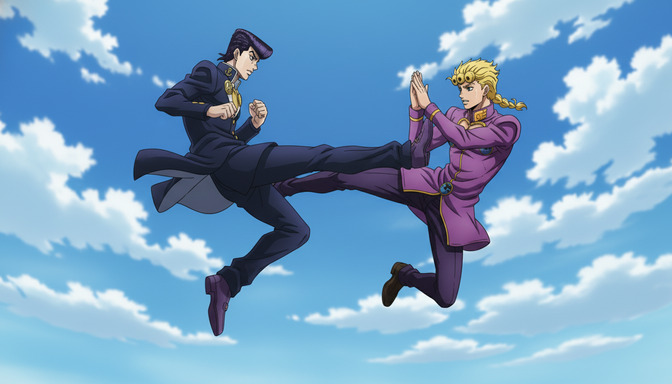
How to Create Cinematic AI Anime Videos That Look Professional (Not Cheap AI Animation)
The gap between amateur AI animation and cinematic anime video is not the tool. It is every decision made before you press generate.
Learn how to create cinematic AI anime videos that look professional. Covers source images, character consistency, camera movement, shot composition, lighting, and storyboarding.
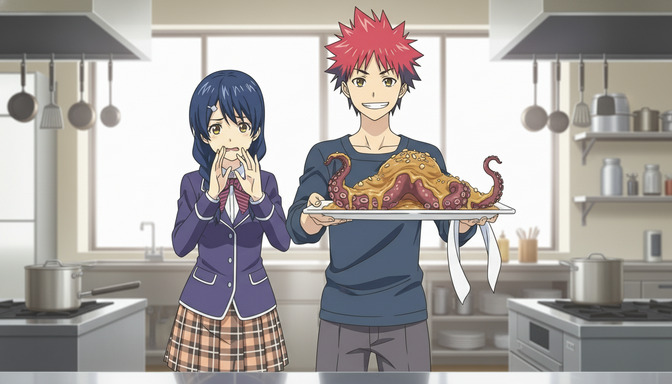
How to Turn an Anime Image Into a Video With AI in 2026
The quality of your anime video is decided before you generate a single frame. It is decided when you create your image.
Learn how to turn an anime image into a video with AI in 2026. Step-by-step guide covering image creation, prompt writing, camera movement, character actions, and building complete anime sequences.
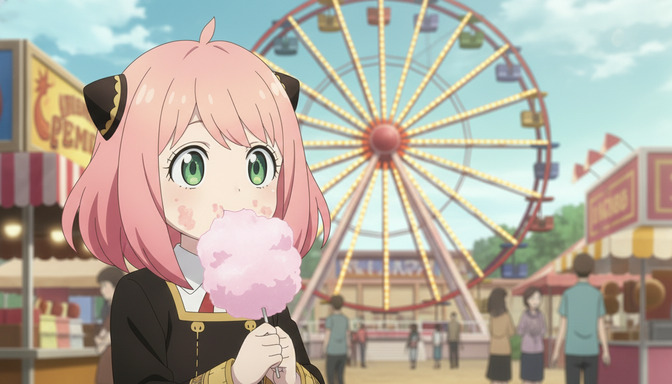
From Character to Storyboard: Create Your First AI Anime Story Step-by-Step
Most people want to make an anime story but don't know where to start. Start here.
Create your first AI anime story from scratch. Step-by-step guide covering character design, story concept, script writing, storyboarding, image generation, and video generation with AutoWeeb.
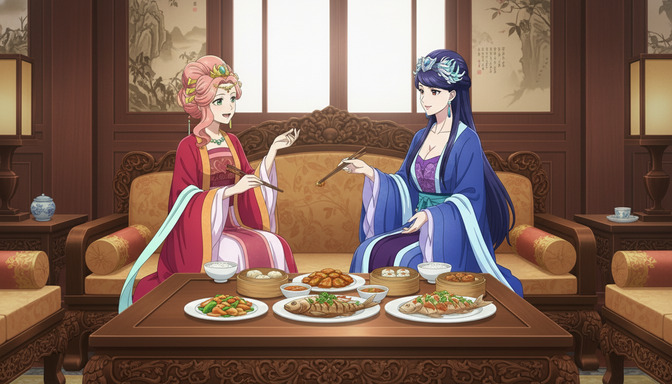
How to Maintain Character Consistency in Seedance 2.0 Videos
The character who looks perfect in scene one should look exactly the same in scene seven. That does not happen by accident.
Learn how to maintain character consistency in Seedance 2.0 videos. Character sheets, reference images, prompt techniques, and storyboarding for multi-scene anime projects.
Explore AutoWeeb
Jump into the tool that fits your creative step.
AI Anime Video Generator
Animate storyboard shots into cinematic clips with Seedance 2 and consistent characters.
Anime Character Creator
Design original characters with consistent sheets across every scene.
AI Anime Image Generator
Generate cinematic anime stills anchored to your character library.
Turn Photo Into Anime
Upload any photo and watch AI turn it into stunning anime art in seconds.
AI Anime Location Generator
Create a location set once, then generate reference images from every angle.
AI Anime Storyboarding
Describe your idea, pick your characters, and let AI draft the script and scenes.
AI Anime Prompt Agent
Turn a rough idea into a cinematic Seedance 2 prompt with the AI Director.