How Indie Manga Creators Can Turn Their Manga Into an Anime
A practical guide for independent mangaka, comic creators, and anime enthusiasts who want to adapt their existing manga into a watchable anime, from arc selection and character sheets through storyboards, AI image generation, and video production.
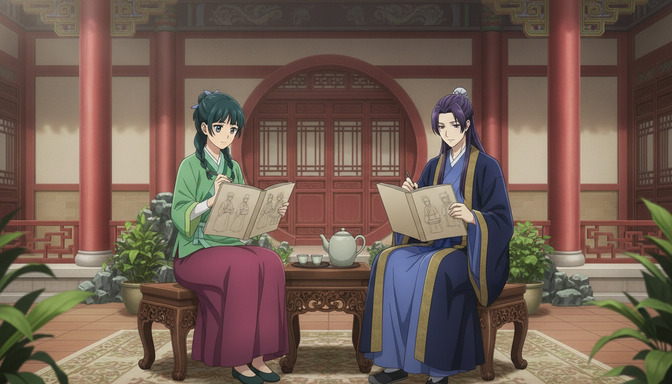
Every independent mangaka who has spent years building a world, a cast, and a readership has thought about it: what would this look like animated? The traditional answer was that it would not, at least not without a publisher, a production committee, and a studio budget that independent creators are structurally excluded from. AI has changed that answer. The manga you have already drawn contains most of what an anime production needs: consistent character designs, established visual language, pacing built around emotional impact, and an audience that already cares about what happens next.
This guide covers the full adaptation pipeline for indie mangaka working without a studio. Select the right arc, prepare your characters for animation, build a production workflow, convert panels into storyboards, generate consistent anime assets, produce finished scenes and video, and release the result to readers who have been waiting for it.
The Traditional Manga-to-Anime Pipeline, and Why It Excluded Indie Creators
The path from manga to televised anime has always required a publisher to license the property, a production committee to fund it, a studio to staff it, and a broadcaster or streaming platform to distribute it. An indie mangaka working outside that system had no viable path into animation, regardless of how strong the source material was. The creative barrier was never the story. It was the infrastructure.
AI tools have decoupled the creative decisions from the infrastructure requirements. Character consistency, which once required a team of key animators and model sheets maintained across departments, is now a project library. Storyboarding, which once required a director and layout team, is now a sequence of shot descriptions. Background and environment work, which once required dedicated background art departments, is now a reference prompt saved to a project. The decisions remain yours. The labor bottleneck does not.
Section 1: Select the Right Manga Arc
Not every arc makes an equal pilot. The manga arc you choose to adapt first sets the standard for everything that follows, so the selection criteria matter more than they appear to.
Pilot Episode Selection
A good pilot arc introduces the protagonist in a situation that reveals character, establishes the world's visual vocabulary, and ends on a shift that makes the next episode worth watching. Look at your existing chapters and ask which arc a new reader could enter cold and leave understanding who this story is about and why it matters. That arc is your pilot candidate.
Avoid adapting prologues or origin chapters first. Manga readers often absorb slow setup across months of weekly publication. An anime viewer making their first decision about your series has twelve minutes and no prior investment. Prioritize arcs where things are already in motion: a conflict is present, a relationship is under pressure, a decision has consequences.
Story Pacing Considerations
Manga pacing is reader-controlled. A reader who needs more time with an expression can hold on it. A viewer cannot. When mapping your arc to episode runtime, count the number of major emotional beats rather than the number of chapters. One to three major beats fit a single episode. If your selected arc has five, split it or cut the connective tissue that reads well as manga but plays as stall in video.
Action sequences compress well. A ten-page fight chapter can become a ninety-second animated sequence that hits harder than the original because motion carries impact that static panels work hard to imply. Dialogue-heavy chapters require more structural attention: two characters talking for twelve pages may need intercutting, reaction shots, and environmental anchors to hold visual interest in anime form.
Section 2: Prepare Characters for Animation
Your manga characters already have a consistent visual identity across hundreds of panels. The preparation step translates that identity into a reference document that AI generation can draw from consistently across every scene in the adaptation.
Character Sheets
A character sheet for anime adaptation covers: hair color and cut at every angle, eye color and shape, build and height relative to other cast members, the default outfit and any key variation outfits, and a note on the character's physical posture. In manga, posture is implicit across panels. For an anime reference, state it explicitly: does this character hold their weight forward or back, do they occupy space or compress it, does their default stance read as open or guarded? Build a full sheet for every character who appears in more than two scenes.
Example character sheet prompt for an indie manga protagonist: "Male, late teens, dark navy eyes that read as perceptive under a default expression of mild disinterest. Messy black hair, chin length, always slightly overgrown on one side. Lean build, slightly taller than average. Default outfit: worn gray school uniform jacket worn open over a plain white shirt, dark pants, scuffed sneakers. His default stance is hands loose at his sides, weight slightly back, as if deciding whether something is worth his full attention before he gives it. Anime style, clean linework, expressive shading in emotional scenes."
Turnarounds, Expressions, and Action Poses
Three additional reference passes compound the consistency of every scene you generate. A turnaround establishes how the character looks from front, three-quarter, and side angles. An expression range covers neutral, determined, amused, and one vulnerable or broken state specific to your character's arc. An action pose reference captures how this character moves in combat, pursuit, or high-stakes situations: whether they fight economically or expressively, whether their technique reads as trained or instinctive.
Save all reference passes to your AutoWeeb project library before generating a single story panel. Every scene generated afterward pulls from the same saved documents rather than reconstructing the character from a fresh description.
Section 3: Build an Anime Production Pipeline
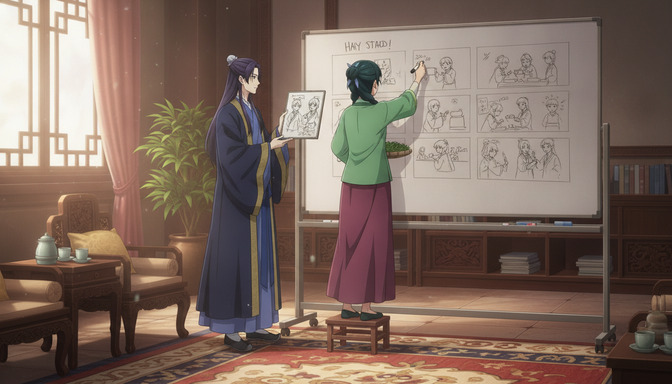
A production pipeline for an indie anime adaptation runs in four stages: script, storyboard, images, video. Each stage produces an output that feeds the next. Skipping stages produces inconsistency that compounds across the episode.
Script
Convert your selected arc into a working script before touching any visual tools. The script establishes scene boundaries, confirms which dialogue carries and which can be cut, and identifies the shots you will need to generate. A manga panel can hold visual subtext that a scene description needs to make explicit. Write every scene as: location, characters present, what happens, and what the audience needs to understand by the end of it.
Storyboard
The storyboard translates each script scene into a sequence of shots. Shot type, camera angle, character position in frame, and transition to the next shot all get specified here. Storyboarding before image generation saves significant time because it reveals which shots you actually need versus which ones seemed necessary at the scripting stage.
Images and Video
With script and storyboard complete, image generation becomes execution. Each storyboard panel becomes an image prompt. High-impact shots, impact frames of action sequences, emotional reveals, significant character moments, become motion prompts for video generation. The structure you built in the first two stages means every generated asset has a defined place in the episode before it is created.
Section 4: Convert Manga Panels Into Storyboards
Manga panels are compositions. Converting them into anime storyboard shots requires accounting for what static panels imply and what anime needs to show explicitly.
Reusing Existing Artwork as Reference
Your existing panels are reference documents as much as source material. The panel where your protagonist's expression shifts is the reference for the anime close-up in the same beat. The establishing panel of your signature location tells you the architectural details, depth, and lighting the background reference needs to capture. You do not need to redraw anything. You are reading your own work as a director reads a script, marking what to keep, what to cut, and what cinematic tools can replace what the page had to do with static composition.
Adding Cinematic Camera Work
Manga reads vertically and uses panel size and proximity to control pacing. Anime uses camera angles, shot length, and editing rhythm to do the same work differently. For each major scene in your arc, add at least one shot that your manga panels could not execute: an over-the-shoulder during a confrontation that makes the power dynamic visible in framing, a low angle that makes a standing character feel larger than the space they occupy, a pull-back that reveals context the protagonist does not have yet.
Example storyboard sequence for a manga confrontation converted to anime: "Shot 1: Wide exterior establishing shot, a narrow alleyway at night, two characters standing at opposite ends, the distance between them significant. Warm window light from the buildings above cuts diagonally across the ground between them. Shot 2: Medium close-up on the right character's face, expression shifting from controlled to something that costs something to show. Shot 3: The left character's hands, barely visible at the edge of their jacket pockets. Not relaxed. Shot 4: Low angle looking up at the left character as they take one step forward, the alley wall behind them, the narrow strip of night sky above. Anime style, atmospheric night lighting."
Section 5: Create Consistent Anime Assets
Every location, prop, and supporting character that appears in more than one scene needs a reference pass before you generate scenes that include them.
Locations
For each recurring location, build a background reference that establishes the lighting conditions (time of day, weather), architectural and environmental details, the color palette in both neutral and dramatic light, and any recurring visual elements that make the location recognizable across scenes. Save this reference to your project library before generating characters in that setting.
Example background reference for a recurring manga location: "Anime rooftop garden above an apartment building, afternoon light. Concrete flooring with mismatched potted plants along the railing, some well-tended and some clearly forgotten. A folding plastic chair. The cityscape behind the railing is soft-focus, towers visible but not sharp. The space reads as claimed by one person, slightly private despite being technically accessible. Anime style, warm afternoon light, some plants casting shadows on the floor."
Props and Supporting Characters
Props that carry narrative weight deserve their own reference pass. The object your protagonist returns to, the item that marks a relationship, the detail readers notice before the characters do: these need visual consistency across every scene they appear in. Build a short prompt for each one and save it.
Supporting characters who appear briefly need a condensed version of the same treatment: a description covering their most visually distinct features, their relationship to the main cast expressed in physical presence, and their default expression. A supporting character who appears in five scenes does not need the full turnaround treatment, but they do need enough reference specificity that they look like the same person in all five scenes.
Section 6: Generate Anime Scenes and Videos
With character references, storyboard sequences, and background references saved to the project, scene generation becomes execution. The structure you built in previous stages means every generated image has a defined place in the episode before the prompt is written.
Action Scenes
Action sequences benefit from impact-frame prioritization. Identify the two or three moments in each fight or chase that carry the most visual weight, the frame your manga readers would screenshot, and generate those as your primary images. Build motion prompts around them for video. The frames in between are transitions; the impact frames are the sequence.
Example action scene prompt for a manga fight adapted to anime: "Female protagonist mid-jump, right hand extended forward in a striking position, a shockwave of displaced air visible around the impact point. Her expression is fully committed, no hesitation visible. The opponent is partially in frame at lower left, their reaction arriving a half-second behind the strike. Debris from a broken concrete surface floats at mid-frame. Anime style, dynamic angle from below and slightly to the right, high-contrast dramatic lighting."
Emotional Moments and Dialogue Sequences
Emotional scenes require close-up specificity. The expression doing the work needs to be described in terms of what it is holding back rather than what it is showing: "an expression that is trying to look fine," "the moment before composure breaks," "the face of someone who has just understood something they did not want to know." These descriptions produce more accurate results than generic emotion labels.
Dialogue sequences benefit from intercutting. For a two-character conversation, alternate between a medium shot with both characters and close-up reaction shots that give the non-speaking character something to do visually. The reaction shot is often the scene.
Section 7: Launch Your Indie Anime
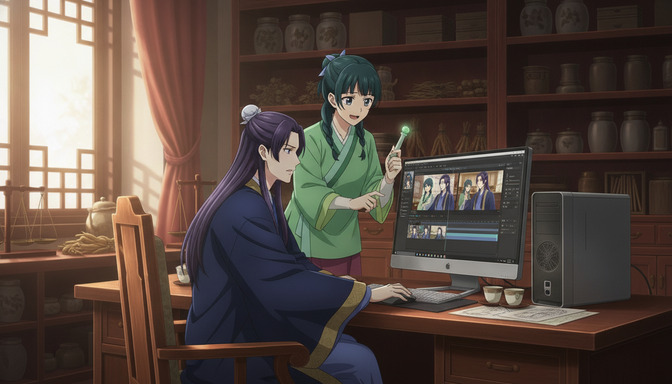
A completed first episode is a different asset than a promise of an adaptation. Release with at least one full episode available, not a trailer or a teaser reel.
Building an Audience from Your Manga Readers
Your manga readership is the warmest possible launch audience. They already know the characters, have opinions about the arc you adapted, and have been imagining the animation themselves. Announce the release in your normal publication channel, link directly to the full episode, and include a thirty-second clip of the scene your comment section has referenced most. Do not announce before the episode exists. The announcement and the release should happen simultaneously so readers can act immediately.
YouTube hosts the full episode. TikTok, Instagram Reels, and YouTube Shorts carry the discovery layer: fifteen to thirty second clips of your highest-impact scenes ending on a frame that makes the full episode worth finding. The call to action is always the same: the full episode is on YouTube. Keep the path simple.
Growing Beyond Manga Readers
Manga readers and anime viewers are overlapping but not identical audiences. Viewers who find the anime but have not read the manga become readers if the episode makes them want more. Readers who share the adaptation bring in viewers who would never have found the manga. The two formats grow each other's audience over time, which makes the adaptation a long-term discovery asset, not just a one-time release.
Releasing additional episodes maintains both audiences. A single episode release can sustain discovery for weeks. A series release creates a reason to return and a reason to recommend.
How AutoWeeb Helps Mangaka
The full pipeline described in this guide runs inside a single AutoWeeb project. Every reference you build in the early stages remains active through every scene you generate in the later ones.
- Character consistency maintains your protagonist, supporting cast, and recurring characters visually across every panel, scene, and session without rebuilding descriptions between generations
- Storyboard tools let you sequence shots, plan scene structure, and organize your episode before committing to image generation, so every asset you create has a confirmed place in the episode
- Anime-focused workflows produce character scenes, action sequences, emotional close-ups, environmental backgrounds, and animated video from your saved references in the visual style your manga establishes
- Production efficiency means a mangaka working alone, or with a small group of collaborators, can move from existing manga panels to a releasable anime episode without a production team or starting over each session
A traditional studio handles each of these as a separate specialized department maintained by dozens of people over months. AutoWeeb puts all of them inside one workflow, which means the infrastructure gap that kept indie mangaka out of anime production is no longer structural. It is technical, and the tools exist to close it.
The Future of Independent Anime Production
The manga you have already drawn contains what most anime productions spend years and significant capital trying to build from scratch: a consistent visual world, characters readers are invested in, an emotional arc with known beats, and an audience with strong opinions about how those beats should land. The adaptation does not start from zero. It starts from your archive.
Every arc you adapt compounds what comes after it. The character references built for the first episode carry into the second. The background library established in the pilot expands rather than restarts for the following episode. The audience that found the anime because of the first episode is still present for the third. Independent anime production used to require institutional infrastructure. The tools that replace that infrastructure exist, and they are built for creators who already have everything except the pipeline.
Frequently Asked Questions
Do I need to know how to animate to turn my manga into an anime?
No. The animation side is handled by AutoWeeb's video generation tools. What you bring to the process is the story structure, the shot descriptions, and the creative decisions about which moments carry the most weight. If you can describe a panel in specific visual terms, you can write a storyboard panel. The skill set that makes you a strong mangaka translates directly to the production decisions this process requires.
How many manga chapters should I adapt into a single anime episode?
Chapter count is less useful than emotional event count. Aim for one to three major emotional beats per episode regardless of how many chapters they span. A three-chapter arc covering one continuous confrontation is one episode. A single chapter with multiple location changes and distinct emotional shifts might be two. The episode should feel like a complete arc with a clear before and after, not a segment of a longer structure with no internal resolution.
How do I keep my manga character designs consistent across anime scenes?
Build a complete character sheet for every character who appears in more than two scenes, and save those sheets to your AutoWeeb project library before generating any story panels. Every scene generated afterward draws from those saved references rather than a freshly written description. Consistency is structural: the protagonist in the opening scene and the protagonist in the climax are drawn from the same saved document.
Should I adapt a completed manga or an ongoing series?
Both approaches work. An ongoing series lets you adapt and publish in parallel, maintaining engagement across both formats simultaneously and creating a natural promotional loop between them. A completed series gives you the full narrative arc before designing anything, so character references can account for how characters look at the end of the story, not just the beginning. For a first adaptation, a completed arc or clearly contained story volume is technically simpler because the structure is already fully resolved.
Can I adapt a manga with a large cast and complex world-building?
Yes. The approach is to prioritize depth over breadth in the first episode. Build full character references for the three to five characters who carry the most scenes. Give supporting characters a shorter reference covering their most visually distinct features. Expand the reference library as the adaptation grows. For world-building, build environment references the same way you build character references: a saved prompt for each recurring location that establishes its visual vocabulary before you generate any scenes set there.
What makes manga different from webtoons when it comes to anime adaptation?
The primary structural difference is color. Most manga is black and white, which means the anime adaptation introduces color decisions that webtoons have already made. Establishing a color palette for your characters and environments before generating anime images is an additional preparation step that webtoon adaptation does not require. Beyond that, the workflow is similar: the strongest manga arcs are already cinematic in composition, and the adaptation process of extracting key scenes, building character references, and converting panels into storyboard shots applies in the same way.
How do I announce the anime adaptation to my existing manga readers?
Announce with the release, not before it. Post in your normal publication channel, link directly to the first complete episode, and include a clip of the scene your readers have discussed most. Readers who already know your characters do not need to be persuaded that the anime is worth watching. They need to know it exists and where to find it. Announcing before the episode is ready creates anticipation that decays over time. Announcing with a watchable episode converts that interest immediately.
If your manga includes fight sequences and action arcs, the guide on how to storyboard epic AI anime fight scenes like a director covers impact frames, camera angles, and composition decisions that apply directly to your highest-stakes scenes. For the broader framework of building an anime series across multiple episodes, how to plan and produce your own AI anime series from scratch covers series structure, episode planning, and multi-episode production pipelines.
Related Blog Posts
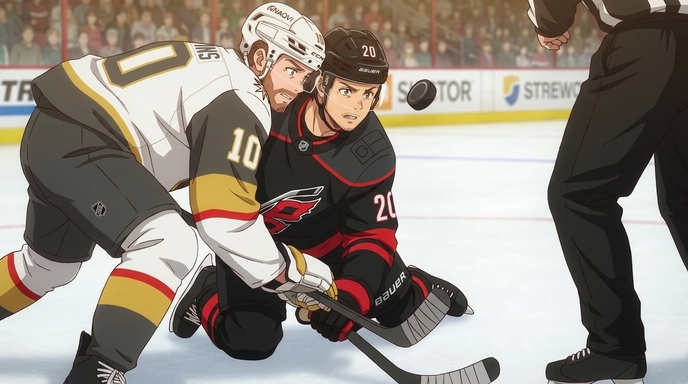
How to Create a Hockey Anime with AutoWeeb: From Character Sheets to Championship Storyboards
A complete guide to building an original hockey anime, from team concept and captain design through rival franchises, locker room drama, playoff arcs, and AI-storyboarded championship moments.
Learn how to create a hockey anime with AutoWeeb. Design captains, enforcers, goalies, rivals, arenas, and storyboard intense playoff sequences and championship lifts with AI.
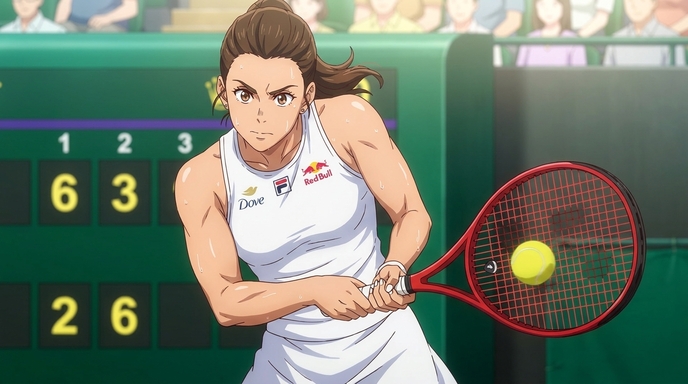
How to Create an Original Tennis Anime with AutoWeeb
A step-by-step guide to building an original tennis anime, from protagonist and rival design through tournament circuits, signature play styles, training arcs, and AI-storyboarded championship matches.
Learn how to create a tennis anime with AutoWeeb. Design protagonists, rivals, coaches, courts, and storyboard intense match sequences and championship arcs with AI.
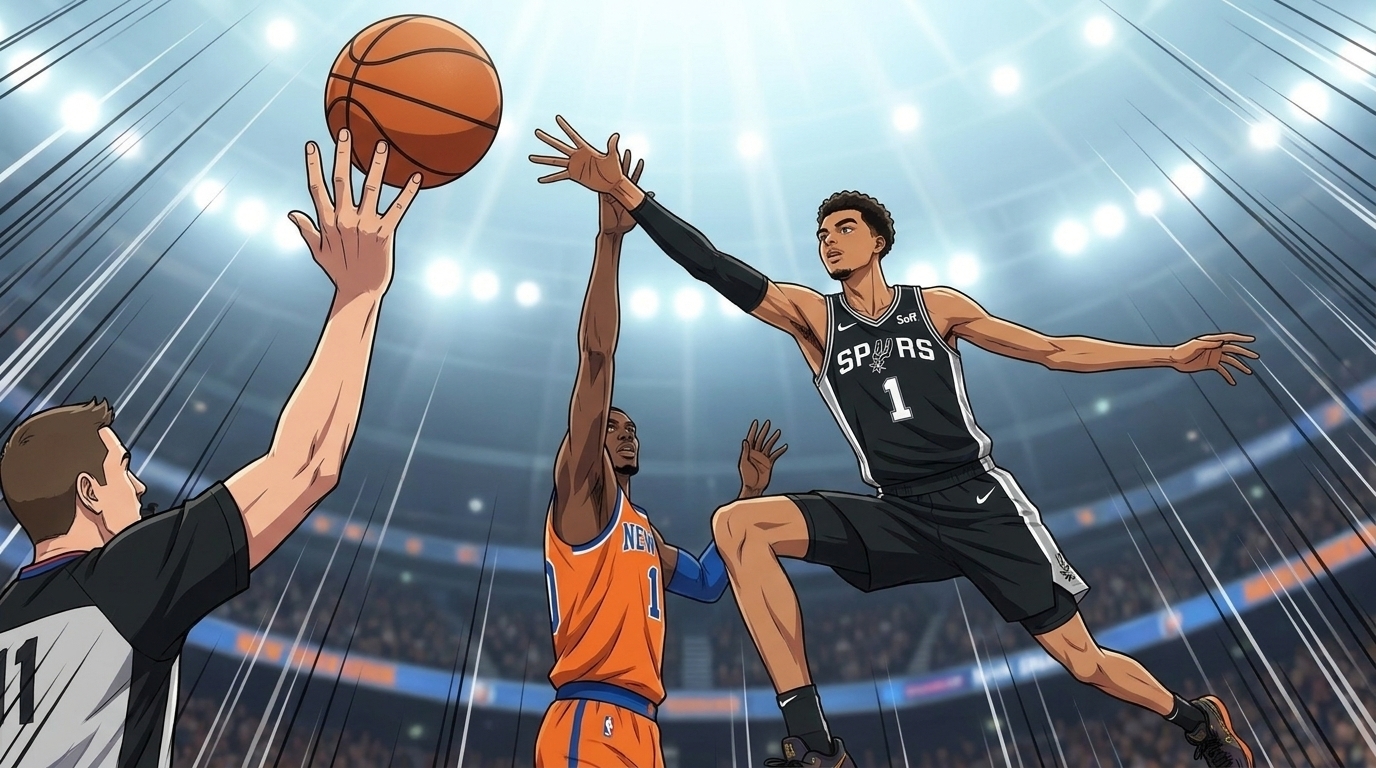
How to Create a Basketball Anime Using AutoWeeb
A complete guide to building an original basketball anime, from underdog team concept and star player design through championship arcs, training montages, dramatic game moments, and AI-animated basketball scenes.
Learn how to create a basketball anime with AutoWeeb. Design players, build rivalries, storyboard game sequences, and generate cinematic AI anime videos from your basketball story.
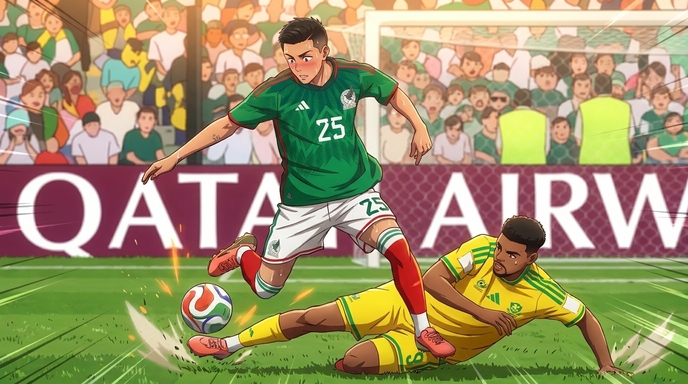
How to Create a World Cup Soccer Anime with AutoWeeb
A step-by-step guide to building an original World Cup-style soccer anime, from national team concepts and rival country arcs through tournament brackets, stadium environments, match scripts, and AI-storyboarded tournament climaxes.
Learn how to create a World Cup soccer anime with AutoWeeb. Design national teams, captains, uniforms, stadium environments, and storyboard entire tournament arcs with AI.
Explore AutoWeeb
Jump into the tool that fits your creative step.
AI Anime Video Generator
Animate storyboard shots into cinematic clips with Seedance 2 and consistent characters.
Anime Character Creator
Design original characters with consistent sheets across every scene.
AI Anime Image Generator
Generate cinematic anime stills anchored to your character library.
Turn Photo Into Anime
Upload any photo and watch AI turn it into stunning anime art in seconds.
AI Anime Location Generator
Create a location set once, then generate reference images from every angle.
AI Anime Storyboarding
Describe your idea, pick your characters, and let AI draft the script and scenes.
AI Anime Prompt Agent
Turn a rough idea into a cinematic Seedance 2 prompt with the AI Director.