How to Turn Your Manhwa Into an Anime Using AI
A complete guide for manhwa creators, webcomic artists, and digital storytellers who want to adapt their work into anime, from evaluating your story and building character sheets through storyboards, AI image generation, and video production.
Korean manhwa has been the source material for some of the most-watched anime adaptations of the last several years. Solo Leveling, Tower of God, The God of High School: each started as a digital webcomic read vertically on a phone screen and became a full animated series with a global audience. The studios behind those adaptations had resources, production pipelines, and years of runway. What has changed is that indie creators now have access to a production pipeline that covers the same ground without any of that infrastructure.
This guide covers the full process for manhwa creators, webcomic artists, and digital storytellers who want to adapt their existing work into anime. The approach works whether your series is complete, actively publishing, or still in early chapters. Each step builds on the one before it: evaluate your story for adaptation, build character sheets that hold consistency across every scene, storyboard your vertical panels into cinematic sequences, develop your locations and assets, generate anime images, create video, and release to an audience that is already waiting.
Section 1: Evaluate Your Manhwa for Adaptation
Not every arc is the right starting point, and not every visual element translates to animation with equal ease. The evaluation stage saves production time by identifying what to prioritize and where the adaptation's strengths already lie.
Story Arcs
Look for the arc where your premise is fully active: the conflict is already in motion, the central character has something real at stake, and a new reader could follow the events without needing three chapters of backstory first. That arc is your entry point. For serialized manhwa, it is often not the first chapter but the arc where the story's actual mechanics become visible: the dungeon raid that establishes what the protagonist can do, the tournament that forces the ensemble into competition, the confrontation that defines the series' central relationship.
A self-contained arc also simplifies production planning. You know the beginning, middle, and end before you commit to character sheet investment. If the adaptation lands well, you can continue into the next arc with an established audience and existing references.
Character Appeal
Identify which characters your readers respond to most specifically: not the ones with the most screen time, but the ones whose appearances generate the most reader engagement. In manhwa comments and fan communities, that reaction tends to concentrate on a few key characters and a few key visual moments. Those characters and those moments are your production priorities.
Visual Strengths
Manhwa designed for vertical scroll already has strong visual language: dramatic panel compositions, expressive character poses, and the kind of high-contrast lighting that makes action and emotional scenes land. The adaptation leverages these existing strengths rather than replacing them. Scenes where your manhwa already does strong visual work are the easiest to storyboard because the framing decisions have already been made once.
Section 2: Build Production-Ready Character Sheets
Character consistency is the technical foundation of the entire production. A protagonist who looks different from scene to scene breaks the visual continuity that makes an animated series feel cohesive. Building character sheets before generating any story content solves this structurally.
Main Characters
For each lead character, write a complete visual reference: hair color and cut, eye color and shape, build and height relative to the supporting cast, default outfit with specific fabric and fit details, and a description of their default posture and expression. Manhwa protagonists often carry a great deal of visual information in how they hold themselves, the composed stillness of a powerful character at rest, the controlled tension before a confrontation. That posture is part of the character sheet, not an afterthought.
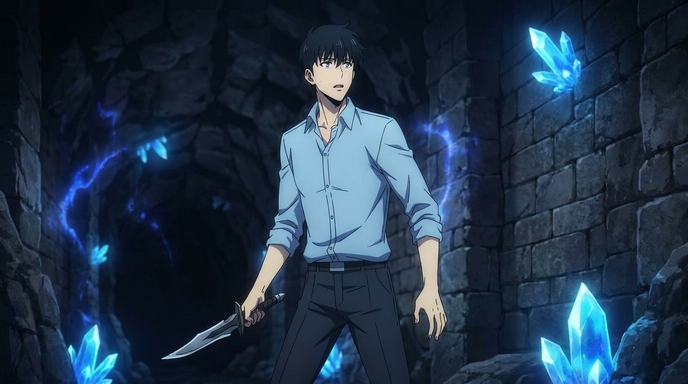
Example main character sheet prompt: "Male protagonist, early twenties, black hair pushed back from his face, slightly longer on top with a natural fall across his forehead. Ice-blue eyes that read as calculating and slightly detached. Lean, well-built frame, above average height, carries himself with controlled stillness. Default outfit: dark collarless dress shirt, fitted black trousers, no accessories. His default expression is neutral and watchful, carrying the specific quality of someone who has stopped being surprised by things. Anime style, clean detailed linework, dramatic shading consistent with dark fantasy aesthetic."
Side Characters
Supporting characters need shorter but equally precise references. Prioritize the visual details that make each one distinctly recognizable in a crowd scene: a distinctive hair color, a silhouette that reads differently than the other cast members, a specific accessory or item they carry. For ensemble casts, contrast is the reference goal: each character should be identifiable at small scale.
Outfit Variations and Expressions
Build outfit variations for any character who appears in multiple contexts: combat gear versus civilian clothes, a formal appearance that contrasts with their default, any transformation or power state that changes their visual presentation. For expressions, add a range covering the four or five that carry the most emotional weight in your story. For many manhwa protagonists, this includes the composed default, the expression that surfaces when something actually gets through that composure, and the look that appears in moments of full intensity.
Section 3: Create Storyboards
Storyboarding is the step where vertical scroll panels become cinematic sequences. The goal is not to copy the manhwa panel layout into animation: it is to identify what each panel is doing and find the shot design that accomplishes the same thing in a widescreen, motion-capable format.
Transforming Vertical Scroll Into Cinematic Scenes
Manhwa panels are designed for downward reading momentum. A reveal in manhwa lands by controlling what the reader sees as they scroll, withholding information until the reader's eye reaches the right point. In anime, that same reveal lands through timing, camera movement, and what the shot chooses to frame. The storyboard decision for a manhwa reveal is: what does the camera show before the moment, where does it cut, and what does the audience see in the frame when the information arrives?
For action sequences, manhwa often uses wide panels at impact points and tighter panels for buildup. The cinematic equivalent is a cut from close motion to a wide impact frame: generate the impact frame first, then plan the shots that lead into it. Action sequences built outward from the impact frame are more coherent than sequences built linearly from the start.
Pacing and Camera Design
Each scene needs three anchoring shot types: the establishing shot that places characters in the environment and communicates the power dynamic, the medium shot that carries the dialogue or action, and the close-up that delivers the emotional beat. For confrontation scenes, vary the shot distance deliberately: a character who has the advantage occupies more of the frame. A character who is being pressured is shown from slightly above, or is smaller in the composition than their position suggests they should be.
Example storyboard sequence for a dungeon confrontation: "Shot 1: Wide establishing shot, a vast underground chamber lit by crystalline formations along the walls, blue-white light casting hard shadows. The protagonist stands center frame, the environment emphasizing scale and isolation. Shot 2: Medium close-up on the protagonist, expression composed and assessing, the specific stillness of someone who has already decided how this ends. Shot 3: Cut to what they are looking at, a wide shot of the opposing threat, the camera angle slightly low to give it visual weight. Shot 4: Back to the protagonist, close-up on the hands, fingers not tense. Shot 5: Wide shot, both parties in frame, distance between them visible, neither moving yet. Anime style, dark fantasy lighting, atmospheric tension."
Section 4: Develop Locations and Assets
Manhwa worldbuilding translates directly into reusable scene assets. Every recurring location in your story, the dungeon system, the city above it, the guild hall, the apartment that serves as a quiet counterpoint to the action, becomes a location reference that can anchor multiple scenes without rebuilding from scratch.
Backgrounds
Build a location reference for every environment that appears in more than two scenes of your selected arc. Describe the key visual elements that make the location recognizable: the lighting source and color, the architectural style, the specific details that give it atmosphere. A dungeon that uses blue crystalline formations as its primary light source looks different from a dungeon lit by torches; that distinction should be in the reference and consistent across every scene set there.
Worldbuilding
For manhwa with elaborate system mechanics, gates, ranks, magic types, classify each system element visually. What does a gate look like when it opens? What distinguishes an S-rank hunter's appearance from a D-rank hunter? What does activated magic look like in your specific aesthetic? These answers become prompt elements that maintain visual consistency when the system mechanics appear across scenes.
Reusable Scene Assets
Save location references to your AutoWeeb project library alongside your character sheets. A scene generated in the dungeon corridor in episode one draws from the same location reference as the scene in that corridor in episode three. The environment looks like the same place because both generations pull from the same saved description.
Section 5: Generate Anime Images
With character sheets, location references, and storyboard sequences saved, image generation is execution rather than improvisation. Each storyboard panel description becomes an image prompt. AutoWeeb draws from your saved references for every generation, so the protagonist in the opening scene and the protagonist in the climax are drawn from the same visual document.
Consistent Scene Creation
Generate scenes in storyboard order. Starting with the first panel of each sequence and working forward maintains the visual logic of the scene as it builds. For each image, reference the specific saved character and location documents rather than redescribing from memory. The goal is to describe what is happening in this specific moment, not to re-establish who everyone is from scratch.
Character Placement
In multi-character scenes, specify each character's position in the frame, their physical relationship to one another, and what each is doing with their body language. Manhwa uses negative space deliberately: distance between characters communicates tension, proximity communicates alliance or threat. Those spatial decisions translate directly into shot composition prompts.
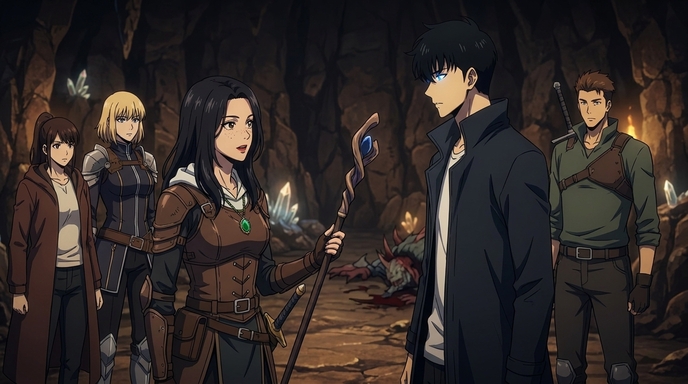
Example multi-character scene prompt: "A female character in leather combat armor stands to the left of frame, staff raised, expression alert. The protagonist stands to the right, slightly behind her, arms at his sides, watching the room rather than the character beside him. Three supporting characters are visible in the background, positioned defensively. The foreground is open, suggesting something has just passed through. Cave environment with crystalline blue light from the walls. Anime style, dark fantasy, ensemble composition emphasizing team dynamic."
Environmental Storytelling
The background is not a backdrop: it is information. A dungeon floor with scattered debris tells a story about what happened before the scene started. A character framed against a gate entrance communicates something about scale and stakes that the same character framed in a corridor does not. Use the environment as a narrative element in every scene, not as a neutral stage.
Section 6: Create Anime Videos
Motion is where the adaptation becomes a viewing experience rather than a gallery of strong images. Not every panel needs to become video: prioritize the scenes where movement carries information that a still frame cannot.
Motion Generation
Write a motion description for each panel you plan to animate before using the video generation tool. Specify what moves, how it moves, and what the camera does. The more specific the description, the closer the resulting video is to the storyboard intention.
Example motion prompt for a dungeon entry sequence: "A lone character walking down a wide stone corridor toward a set of massive doors at the far end. The camera holds a low angle medium shot tracking pace for pace with the character, neither pulling ahead nor falling behind. Crystalline formations along the walls emit steady blue light that casts moving shadows as the character passes. The doors grow larger as the camera closes. No sudden movements. The pace is deliberate and unhurried. Anime style, atmospheric dark fantasy, five seconds, the mood of someone approaching something they have prepared for."
Scene Transitions
Transitions between scenes carry as much tonal information as the scenes themselves. A hard cut from a tense confrontation to a quiet exterior creates a specific kind of release. A slow fade from a dungeon environment to a city above signals the contrast between those two worlds. Plan your transitions in the storyboard stage, and generate transition-specific video clips for the moments where a standard cut would lose something.
Episode Previews
A sixty-second preview built from your three most visually striking animated panels, ending on the frame with the highest impact, is the most efficient discovery asset for a new series. It introduces the adaptation to people who have not read the manhwa and gives existing readers something concrete before the full episode is available. Post the preview first, let it build anticipation for twenty-four hours, then release the full episode while that interest is active.
Section 7: Publish and Grow Your Audience
Your manhwa already has readers. Those readers are the warmest possible launch audience for the adaptation, and they are not the only audience the adaptation can reach.
YouTube
YouTube is the primary platform for a full episode release. Upload each episode as a standalone video with a series title and episode number that makes navigation obvious. Viewers who find episode two through a recommendation or a clip should reach episode one in one click. Titles following the format "Series Name | Episode 1: [Arc Title]" handle this cleanly. Chapter markers mapped to the episode structure let viewers return to specific scenes, which drives rewatch behavior and increases time-on-page signals.
TikTok and Instagram Reels
Short clips from your highest-impact animated scenes are the discovery layer for audiences who have never read the manhwa. The opening seconds of your best action sequence, the animated version of the panel your comment section has referenced most, the scene that establishes your protagonist's visual presence immediately: these are the clips that introduce the adaptation to new viewers. Keep them under sixty seconds, open on a frame that establishes tone immediately, and make the path to the full episode direct from the video description and pinned comment.
Existing Manhwa Fanbase
Announce the adaptation directly to your existing readership in the platform where they follow you. A post in your series thread or a comment update linking to the first episode, alongside a clip of the scene your readers know best from the manhwa, converts a portion of that existing readership immediately. Readers who already care about the characters do not need to be convinced the adaptation is worth watching. They need to know it exists.
Fan communities organized around manhwa, Korean webtoon communities on Reddit, Discord servers built around your genre, and anime fan spaces that cover indie adaptations are secondary channels with audiences meaningfully different from your existing readership. A viewer who finds the anime through one of these spaces and follows back to the manhwa extends your readership without additional production work.
Why AutoWeeb Is Built for Independent Anime Production
The full pipeline described in this guide runs inside a single AutoWeeb project. Every reference built in the early stages remains active through every scene generated in later ones.
- Character sheets: Build visual references for your full cast once, save them to your project library, and draw from them in every subsequent generation. The protagonist in the first scene and the protagonist in the climax are consistent because both pull from the same saved document.
- Storyboards: Plan scene sequences, shot types, and episode structure before committing to image generation. Every asset has a confirmed place in the episode before it is created.
- Image generation: Turn storyboard panel descriptions into consistent anime images. AutoWeeb maintains character and location references across the full production session without rebuilding descriptions between generations.
- Video generation: Animate key scenes with motion descriptions. Character entrances, action sequences, atmospheric establishing shots, and emotional confrontations all become video from the same project workflow.
A traditional anime production separates these functions across departments maintained by dozens of people over months or years. AutoWeeb puts all of them inside one workflow. A solo manhwa creator can move from published chapters to a releasable anime episode without a studio, a production team, or any requirement to rebuild visual context between sessions.
Conclusion: Build Your Own Adaptation Pipeline Today
Manhwa creators already have the raw material that anime productions spend years trying to develop: a visual world with established aesthetics, characters with defined appearances and relationships, story arcs with proven reader engagement, and a fanbase that already knows the source material. The adaptation does not start from zero. It starts from what you have already built.
Each stage of the pipeline compounds the one before it. The character sheets built in week one are still active in month three. The location references created for episode one anchor every scene set in that environment across the full series. The audience that found the anime through a sixty-second clip becomes a reader. The reader who shares that clip extends the reach without additional production work. The adaptation that starts with one arc becomes a series when there is an audience waiting for the next one.
Frequently Asked Questions
Do I need to redraw my manhwa panels to adapt them into anime?
No. The adaptation pipeline described here generates new anime images from written descriptions rather than converting your existing panels. Your manhwa art serves as the visual reference and source of design decisions, not as source material that gets processed or redrawn. The character sheets and scene descriptions you write in AutoWeeb draw from your existing design sense without requiring you to reproduce your panels in a new format.
How do I convert vertical scroll panels into widescreen anime scenes?
The core shift is from reading momentum to camera design. Vertical scroll controls information by when it comes into view as a reader scrolls down. Widescreen animation controls the same information through timing, framing, and what the camera chooses to show or withhold. For each major panel in your storyboard, identify what the panel is doing for the reader and write the shot description that accomplishes the same thing for a viewer. The action sequences and reveals that work best in manhwa format tend to translate well because both formats rely on impact framing and controlled pacing.
Can I maintain my manhwa's specific art style in the anime adaptation?
You can specify the visual aesthetic you want, and character sheet descriptions that capture the specific qualities of your design sensibility will produce more stylistically consistent results than generic anime style prompts. If your manhwa uses a specific color palette, a particular approach to linework, or a distinctive shading style, include those details in your character and location references. The adaptation will not be a frame-for-frame copy of your art, but it can maintain the visual language that makes your series recognizable.
How many character sheets do I need before I can start generating scenes?
Build full character sheets for every character who appears in more than two scenes of your selected arc before generating any story panels. For supporting characters who appear briefly, a shorter reference covering their most visually distinct features is enough. For the protagonist and major cast members, include outfit variations and an expression range. Prioritize depth over breadth for the first episode: a few characters with complete references are more effective than a large cast with partial ones.
Can I adapt a manhwa that is still actively publishing?
Yes. The most practical approach for an ongoing series is to adapt a self-contained arc that has already concluded in your published chapters. That arc has a defined beginning, middle, and end, which means you can build the full episode before releasing it without having to plan around future developments. As your manhwa continues, subsequent arcs become available for adaptation with an already-established character reference library.
Where should I post my manhwa anime adaptation first?
YouTube is the primary platform for a full episode release because it supports long-form content and permanent archives that viewers can return to and share. Release a sixty-second preview clip to TikTok, Instagram Reels, and YouTube Shorts simultaneously on the day of release, with the full episode available immediately. Announce directly to your existing manhwa readership in the same window. The preview builds awareness; the full episode available at the same time converts that awareness into viewership rather than letting anticipation decay while they wait.
Does AutoWeeb support manhwa-style action sequences?
Yes. AutoWeeb's image generation and video tools handle action sequences, power displays, combat choreography, and the atmospheric dungeon and battle environments common to manhwa genres including dark fantasy, action, and isekai. Character sheets that specify combat appearance alongside civilian appearance give you consistent references for both the quiet scenes and the high-intensity sequences.
If your manhwa shares visual DNA with Japanese comics, how indie manga creators can turn their manga into an anime covers the adaptation pipeline from a manga-specific angle, including panel structure and genre conventions. For the action sequences and confrontation scenes that define many manhwa series, how to storyboard epic AI anime fight scenes like a director covers the camera decisions and composition techniques that make those scenes land.
Related Blog Posts
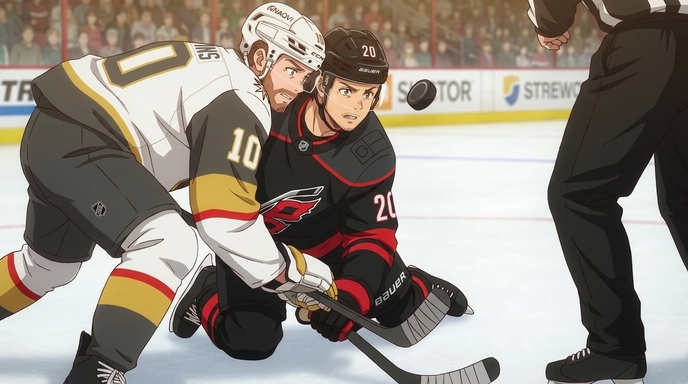
How to Create a Hockey Anime with AutoWeeb: From Character Sheets to Championship Storyboards
A complete guide to building an original hockey anime, from team concept and captain design through rival franchises, locker room drama, playoff arcs, and AI-storyboarded championship moments.
Learn how to create a hockey anime with AutoWeeb. Design captains, enforcers, goalies, rivals, arenas, and storyboard intense playoff sequences and championship lifts with AI.
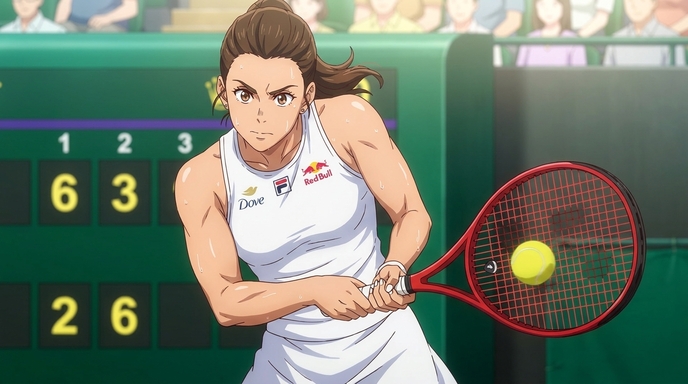
How to Create an Original Tennis Anime with AutoWeeb
A step-by-step guide to building an original tennis anime, from protagonist and rival design through tournament circuits, signature play styles, training arcs, and AI-storyboarded championship matches.
Learn how to create a tennis anime with AutoWeeb. Design protagonists, rivals, coaches, courts, and storyboard intense match sequences and championship arcs with AI.
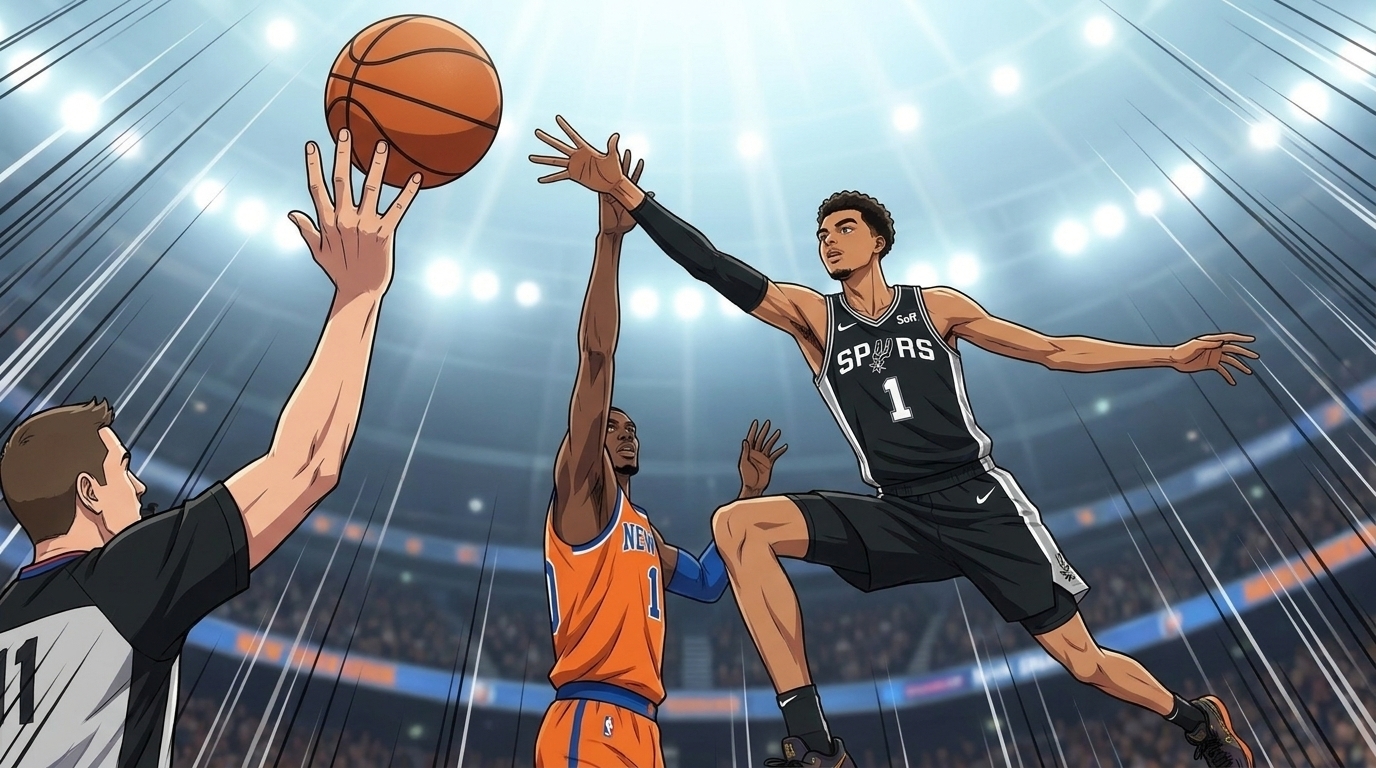
How to Create a Basketball Anime Using AutoWeeb
A complete guide to building an original basketball anime, from underdog team concept and star player design through championship arcs, training montages, dramatic game moments, and AI-animated basketball scenes.
Learn how to create a basketball anime with AutoWeeb. Design players, build rivalries, storyboard game sequences, and generate cinematic AI anime videos from your basketball story.
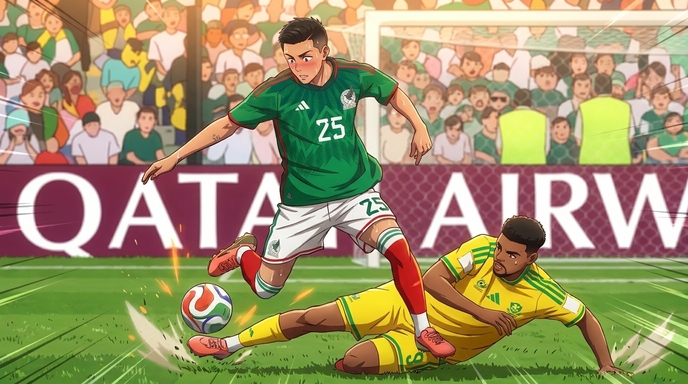
How to Create a World Cup Soccer Anime with AutoWeeb
A step-by-step guide to building an original World Cup-style soccer anime, from national team concepts and rival country arcs through tournament brackets, stadium environments, match scripts, and AI-storyboarded tournament climaxes.
Learn how to create a World Cup soccer anime with AutoWeeb. Design national teams, captains, uniforms, stadium environments, and storyboard entire tournament arcs with AI.
Explore AutoWeeb
Jump into the tool that fits your creative step.
AI Anime Video Generator
Animate storyboard shots into cinematic clips with Seedance 2 and consistent characters.
Anime Character Creator
Design original characters with consistent sheets across every scene.
AI Anime Image Generator
Generate cinematic anime stills anchored to your character library.
Turn Photo Into Anime
Upload any photo and watch AI turn it into stunning anime art in seconds.
AI Anime Location Generator
Create a location set once, then generate reference images from every angle.
AI Anime Storyboarding
Describe your idea, pick your characters, and let AI draft the script and scenes.
AI Anime Prompt Agent
Turn a rough idea into a cinematic Seedance 2 prompt with the AI Director.